Massive Investment to Upgrade Water Supply and Sanitation in Morocco
The Moroccan government is embarking on an ambitious initiative to expand drinking water supply networks and enhance liquid sanitation projects, alongside the recycling of treated wastewater. This initiative is part of an extensive investment program that targets both urban and rural areas, with a particular focus on a national program aimed at ensuring access to potable water from 2026 to 2030, backed by a budget of approximately 13.7 billion dirhams. This funding is crucial not only for improving water accessibility but also for upgrading the infrastructure necessary for sustainable water management within the Kingdom.
According to data associated with the 2027 finance bill, the national program for drinking water supply and irrigation, which spans from 2020 to 2027, has successfully supplied water to 93 centers and over 11,065 localities. It has also seen the operation of 186 mono-block desalination plants aimed at treating seawater and removing impurities, reflecting Morocco’s commitment to enhancing its water resources and improving the living conditions of its citizens.
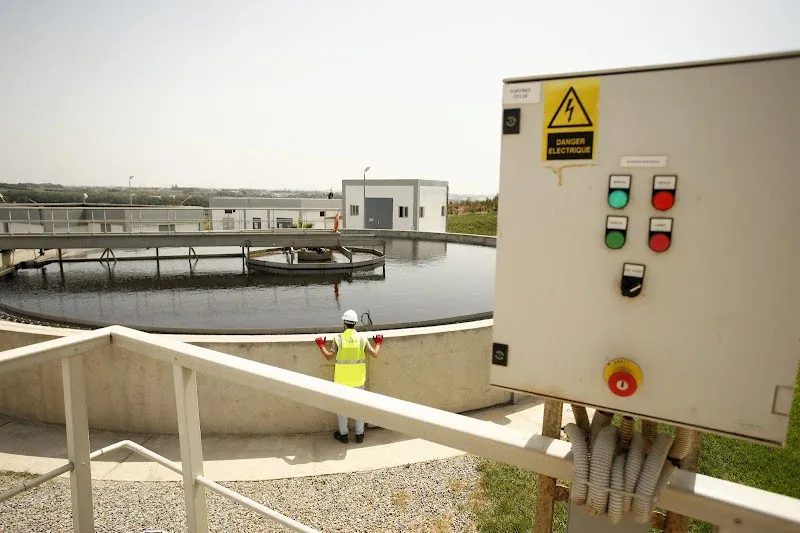
At the end of 2025, urban areas reported a connection rate of 84.5% to sanitation networks, while the rate of wastewater treatment reached 58.5%, facilitated by 227 operational treatment plants compared to just 27 in 2006. This significant increase illustrates the marked progress made in wastewater treatment infrastructure over the last two decades, highlighting the government's focus on sustainable development.
Prioritizing Water Supply Projects in Rural Areas
In rural contexts, the government is set to continue executing its program dedicated to ensuring the widespread availability of drinking water from 2026 to 2030, with total costs estimated at 13.7 billion dirhams, of which 9.6 billion dirhams will be funded by the state budget. This program aims to enhance access to drinking water in regions that still require significant improvements in infrastructure and supply systems.
This initiative is expected to provide water to 225 centers through individual connection networks, along with 7,209 rural areas benefiting from public water fountains. This strategic move aims to broaden access to potable water in rural settings, significantly improving the quality of life and health of local populations.
In the sanitation sector, the government plans to accelerate the implementation of the integrated national wastewater program and the reuse of treated wastewater, which is set to take place from 2025 to 2034. This involves equipping urban and rural cities with necessary infrastructures to collect and treat wastewater effectively, thereby enhancing sanitation services and maximizing the use of non-conventional water resources.
Current projects under this framework include the equipping of 68 urban centers and 166 rural areas, alongside the development of facilities for wastewater treatment and reuse. These efforts align with Morocco's vision to increase the contribution of treated water to the overall water resources available by the year 2035, ensuring a sustainable and secure future for all Moroccans.
As reported by hespress.com.