Cold War Dynamics and Morocco's Geopolitical Landscape
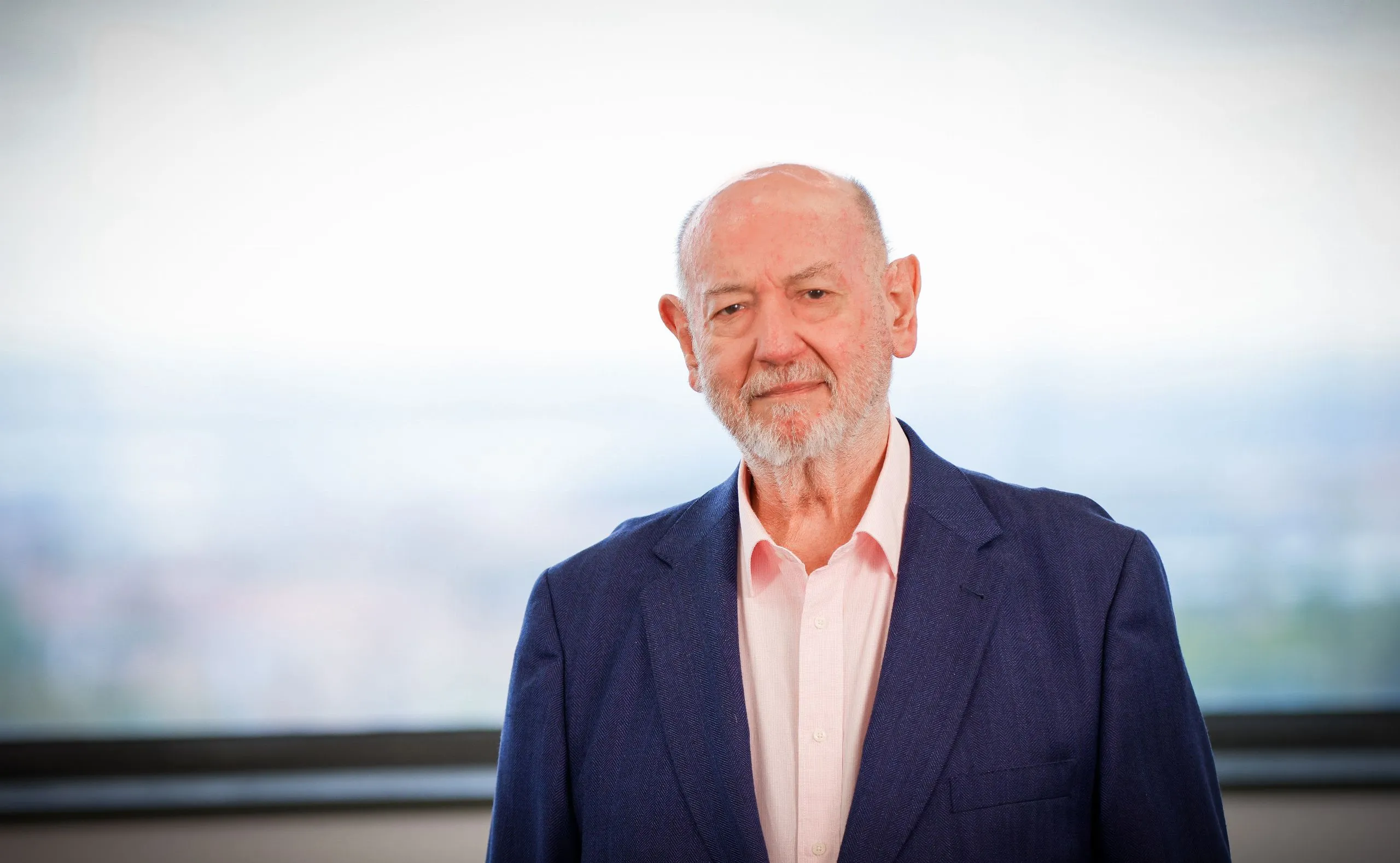
In his compelling new book, The Cold War Explained for Skeptics, prolific historian and author Juan Eslava Galán argues that the Cold War never truly ended. Instead, he posits that the world has continued to engage in ideological and commercial battles since the dissolution of the Soviet bloc. Through a blend of humor and sarcastic wit, Eslava Galán highlights how pivotal figures like Churchill and Stalin shaped our world into two distinct blocs, a division that continues to influence international relations today. His insights extend to the relationship between Morocco and Spain, particularly in light of recent events concerning Ceuta and Melilla, two Spanish enclaves on the Moroccan coast.
Eslava Galán notes that while his book does not specifically address the summer's immigration crisis in Ceuta, it does delve into the historical context of Morocco's aspirations regarding these territories. He asserts, "Morocco does not disguise its ambition for Ceuta and Melilla, patiently waiting for an opportunity to reclaim them, potentially through another March on Green." This phrase evokes the historical references to Morocco's previous attempts to assert territorial claims, suggesting a future where the demographic shifts could lead to a redefined sovereignty over these areas. The historian intriguingly predicts that a form of co-sovereignty could be invented, where the Muslim population increases while the Christian presence dwindles, ultimately leading to a situation where these enclaves are effectively reclaimed without significant resistance.
Furthermore, Eslava Galán offers a critical perspective on the role of the United States in these dynamics, emphasizing that Morocco has historically been recognized as a strategic ally. He states, "When the United States gained independence, Morocco was the first country to recognize it and sign a treaty of friendship. It remains a protectorate of the U.S., which suggests that in any conflict—possibly involving Spain—America will align itself with Morocco." This assertion raises important questions about the future of Spain's territorial integrity amidst shifting geopolitical alliances.
The Relevance of the Cold War in Modern Contexts
The historian draws parallels between the current global landscape and the decline of the Roman Empire, suggesting that the rapid changes we are experiencing today may echo that historical decline, albeit over a much shorter timeframe. He expresses a cautious optimism, yet warns that political leaders across the ideological spectrum are often devoid of substantial ideas, leading them to resort to simplistic slogans. He elaborates that even now, warfare persists, albeit in different forms, as nations—including Russia—engage in the production of fake news as a tool of subversion. Eslava Galán recommends the book The Wizard of the Kremlin, which meticulously analyzes the propagation of misinformation and its effects on governance, pointing to current events in Europe as products of covert operations originating from Russia.
As he delves deeper into communist ideologies, Eslava Galán reflects on the allure of communism as a modern religion, capable of captivating many intellectuals worldwide. He argues that despite the historical failures of communist regimes, the fervent loyalty of its adherents persists. He cites the example of Vietnam, where the communist North triumphed over the South, leading to a regime that faced severe famine until it embraced capitalism, transforming into a prosperous nation.
In the context of international politics post-1945, Eslava Galán discusses the precarious position of Spain during the Cold War, which unexpectedly became a lifeline for Franco's regime. He notes that Churchill's defense of Franco was partly due to the latter’s strategic neutrality, which aided Allied forces during critical operations in Africa. Franco's concessions of sovereignty to the United States in exchange for international recognition marked Spain's re-entry into the global community as a recognized nation-state, further solidified by the Concordat with the Vatican, enhancing Spain's diplomatic standing. This historical perspective underscores the intricate ties between international politics and domestic policy in shaping national identities and territorial integrity.
As reported by libertaddigital.com.