Morocco's Military Strength: The Arrival of F-16 Block 72
On October 6, 2025, the Royal Moroccan Air Force marked a significant milestone with the successful first flight of its first F-16 Block 72 fighter jet, conducted in Greenville, South Carolina, as announced by Lockheed Martin. This aircraft is a pivotal asset in Morocco's ongoing military modernization efforts, which have garnered considerable attention, especially in Spain. The F-16 Block 72 is part of a broader strategy aimed at enhancing Morocco's military capabilities amidst a rapidly evolving regional landscape.
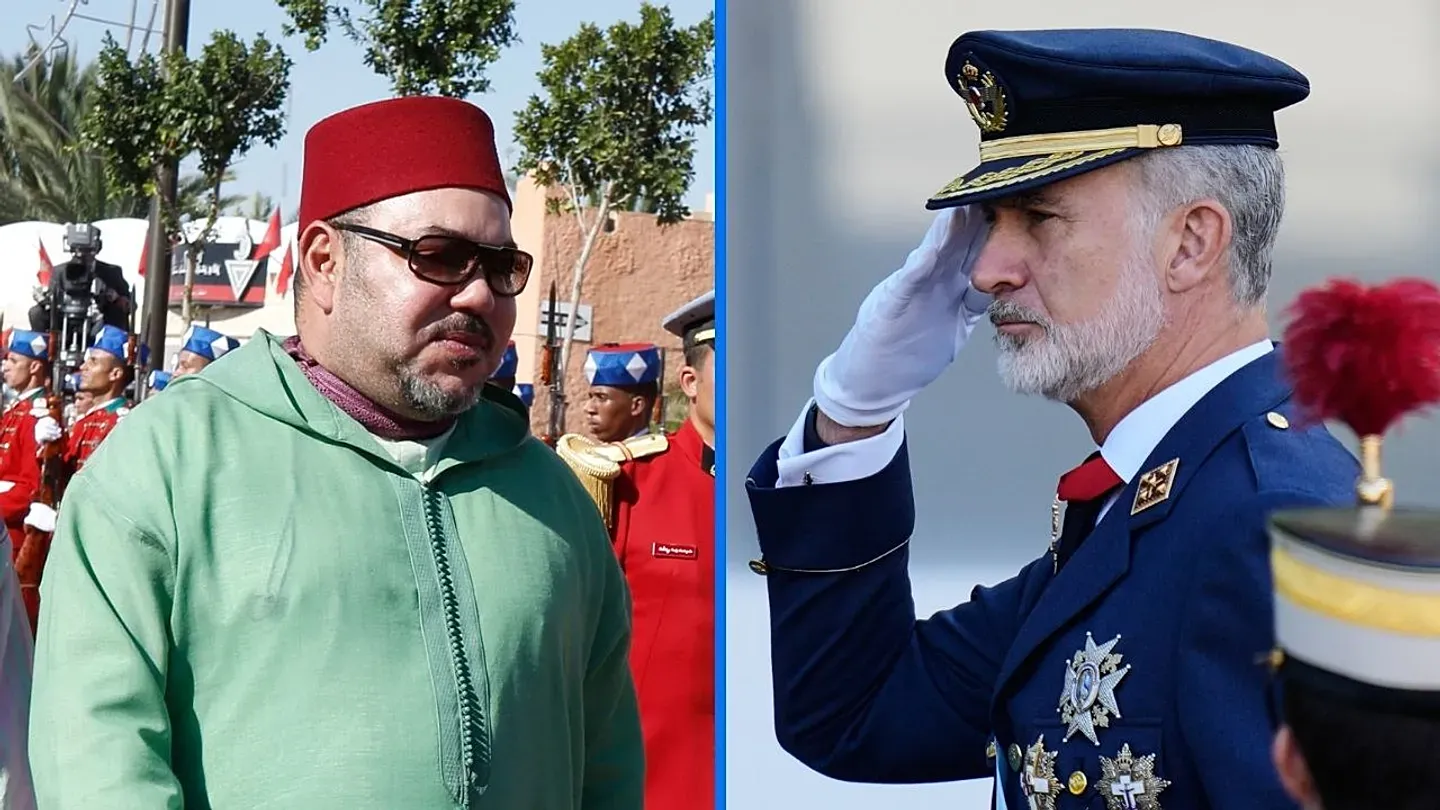
Comparative Military Analysis: Morocco vs. Spain
When evaluating the military capabilities of Morocco in comparison to Spain, it is evident that Spain maintains a substantial advantage in terms of defense budget and maritime dominance. According to the latest report by the Stockholm International Peace Research Institute (SIPRI), Spain allocated approximately €34.287 billion for defense in 2025, marking a 50% increase from the previous year and accounting for 2.1% of its GDP. In contrast, Morocco's defense spending reached €5.645 billion, up from €4.920 billion in 2024. This positions Morocco as the second-largest military spender in Africa, following Algeria, which spent €22.660 billion. However, the overall size of the economies plays a crucial role in this context, with Morocco's GDP estimated at €138.668 billion, while Spain's economy stands at approximately €1.69 trillion, making it around 12 times larger.
One of the most frequently discussed metrics is whether Morocco spends 10% of its GDP on defense. While this figure circulates widely, it does not align with SIPRI's statistical data. SIPRI estimates Morocco's military expenditure for 2025 at approximately 3.54% of its GDP. The 10% figure is more reflective of defense's share in public spending, which SIPRI calculates at 10.28% for 2025. Furthermore, Morocco's 2026 budget law has approved future spending commitments for the National Defense Administration amounting to 157.170 million dirhams (approximately €14.700 million), which are often presented as a single year's expenditure despite being multi-year allocations.
In terms of personnel, Morocco appears to have a more substantial active military force, with estimates suggesting between 195,000 and 200,000 active-duty military personnel and around 150,000 reservists. Unlike Spain, Morocco maintains a system of compulsory military service, reinstated in 2019, which enhances its military manpower. The Royal Moroccan Army's ground forces are notably superior to their Spanish counterparts. However, there has been some misinformation regarding the total number of personnel, with certain figures suggesting 400,000, which lack confirmation from reliable independent databases.
Spain's military faces challenges with personnel numbers, as it reported only 116,739 active-duty personnel as of January 1, 2025, below the legal minimum of 130,000 mandated by military law. By the end of the year, the active force had decreased by 832 personnel, and the reserve force remains significantly weaker, with only 3,091 volunteer reservists at the beginning of 2024.
In the air force domain, Spain has a larger fleet of aircraft, including 81 EF-18 Hornets and 67 Eurofighters, alongside 45 more on order. However, Spain's long-term prospects are uncertain, especially after shelving plans for acquiring the F-35 in favor of European alternatives. Conversely, Morocco has taken a different path by securing a deal in 2019 with the United States for 25 F-16 Block 72 aircraft, valued at approximately €3.380 billion, in addition to 23 upgrade kits for its existing F-16 fleet. Although there are indications of advanced discussions regarding the potential acquisition of F-35 aircraft, these remain speculative and contingent on final approvals from the U.S. administration and Congress. Morocco also possesses 12 of the 24 AH-64E Apache helicopters it ordered, with deliveries expected to continue through 2027.
Maritime capabilities present a stark contrast, with Spain enjoying a significant advantage in naval power. Spain's naval strength is underpinned by five F-100 frigates of the Álvaro de Bazán class, while Morocco operates only a single FREMM-class frigate. Additionally, Spain's naval fleet includes the amphibious assault ship Juan Carlos I, which serves a dual role as an aircraft carrier, alongside two Galicia-class amphibious ships. Underwater capabilities have historically been a weakness for Morocco, with the S-81 Isaac Peral submarine entering service in November 2023 and the S-82 Narciso Monturiol undergoing testing. Spain, on the other hand, continues to expand its naval prowess with new additions expected in the coming years.
Crucially, the United States plays a significant role in bolstering Morocco's military capabilities. In 2026, Morocco and the U.S. signed a roadmap for military cooperation extending from 2026 to 2036, which includes testing advanced tactical communication systems previously reserved for NATO members. Furthermore, the U.S. Senate has mandated the Pentagon to develop a ten-year plan that positions Morocco as the U.S.'s most capable military partner in Africa, with the U.S. currently accounting for about 60% of Morocco's arms imports. Morocco is also aiming to enhance its local military industry, having approved ten defense industrial projects with investments nearing €231 million, including plans for the domestic production of a long-range autonomous attack system named Irifi.
In conclusion, while Spain currently holds a more substantial military budget and naval superiority, Morocco's strategic investments in its military, particularly with U.S. support, indicate a focused approach towards enhancing its defense capabilities. As both nations navigate their military advancements, the balance of power in the region continues to evolve, reflecting broader geopolitical dynamics.
As reported by arabic.euronews.com.