Transforming Morocco's Higher Education Landscape
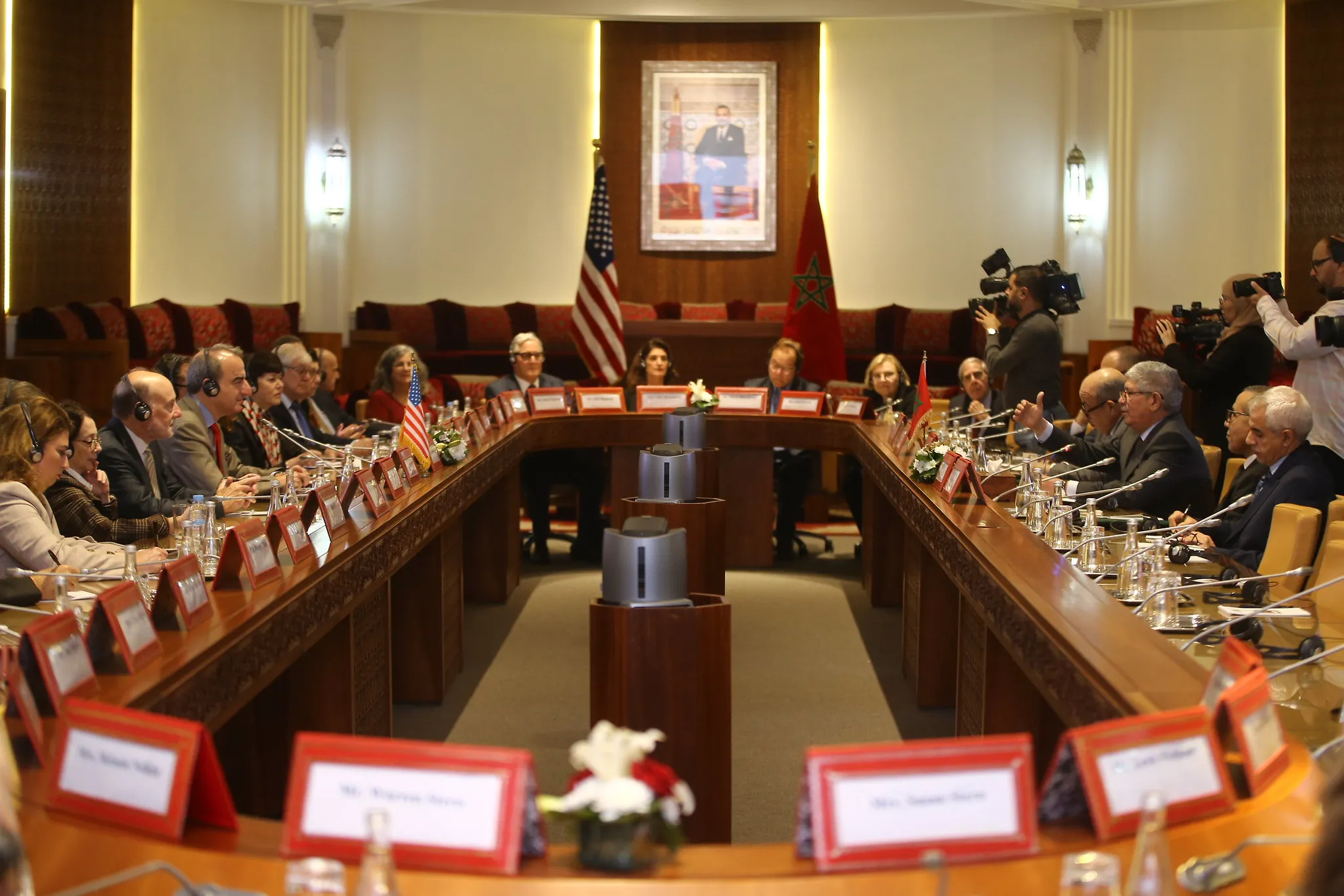
In a significant move towards reforming the higher education system in Morocco, Azeddine Midawi, the Minister of Higher Education, Scientific Research, and Innovation, has emphasized the need for a comprehensive overhaul of the university map and governance structures to promote spatial equity and respond effectively to demographic and economic changes. During a recent session at the House of Representatives, Midawi announced plans to establish 27 public universities across the nation, with a particular focus on regions currently lacking higher education institutions. This initiative aims to ensure that every area of Morocco, including the provinces of Dakhla, Laayoune, Guelmim, and Errachidia, has access to a university education.
Midawi highlighted that the quest for spatial justice in higher education is not a new endeavor but rather part of a broader reform agenda initiated by the Kingdom, which includes the implementation of advanced regionalization and the framework law governing education, training, and scientific research. He stressed that the ministry continues to build on previous public policies while incorporating necessary reforms to address existing disparities within the educational landscape. The current distribution of higher education institutions reveals stark inequalities, with half of the universities concentrated in only eight regions, leaving over 37 regions without any higher education facilities. Furthermore, he pointed out the challenges of overcrowding, administrative pressure, and financial strain that many institutions currently face, along with the necessity for academic offerings to align with national, regional, and international priorities.
Strategic Expansion and New Institutions
In light of these disparities, Minister Midawi revealed that the new university map will adhere to a guideline limiting student enrollment to a maximum of 40,000 per university. Currently, the average number of students per university in Morocco stands at approximately 95,000, which is significantly higher than figures from countries like Turkey, France, Spain, and Canada. The initial phase of this ambitious plan, which involves constructing university headquarters and fulfilling operational requirements, is estimated to require an investment of around 200 million dirhams. This project has already been positively evaluated by the Higher Council for Education, Training, and Scientific Research, which provided essential feedback regarding governance and costs.
Furthermore, the restructuring will also see the establishment of 66 new academic institutions. This includes 46 institutions resulting from the division of larger colleges and 20 innovative institutions designed to meet emerging educational needs. The restructuring plan is methodically designed to ensure that new institutions are not randomly distributed but are instead based on demographic studies that account for population size, resources, and the economic and social characteristics of each region. Midawi also indicated that the ministry aims to create an additional 50 new institutions by 2030, targeting a total investment close to 2 billion dirhams. These institutions will cover a wide range of fields, from legal and political sciences to engineering and cybersecurity, ensuring that educational programs are tailored to the specific needs of local and national markets.
In closing, Minister Midawi reaffirmed that the reform of higher education goes beyond merely expanding the number of institutions; it also involves a thorough review of governance at both national and regional levels. This includes the introduction of new legislative and regulatory frameworks, the establishment of councils with oversight responsibilities, and the creation of partnerships aimed at enhancing the connection between universities and their local environments. Ultimately, these reforms are designed to reduce the financial burden of education on families, improve access for marginalized groups, and enhance job integration opportunities for graduates, thereby positioning Moroccan universities as key drivers of regional development and national cohesion.
As reported by al3omk.com.