Increase in Asylum Claims from Moroccan Youth in Ceuta
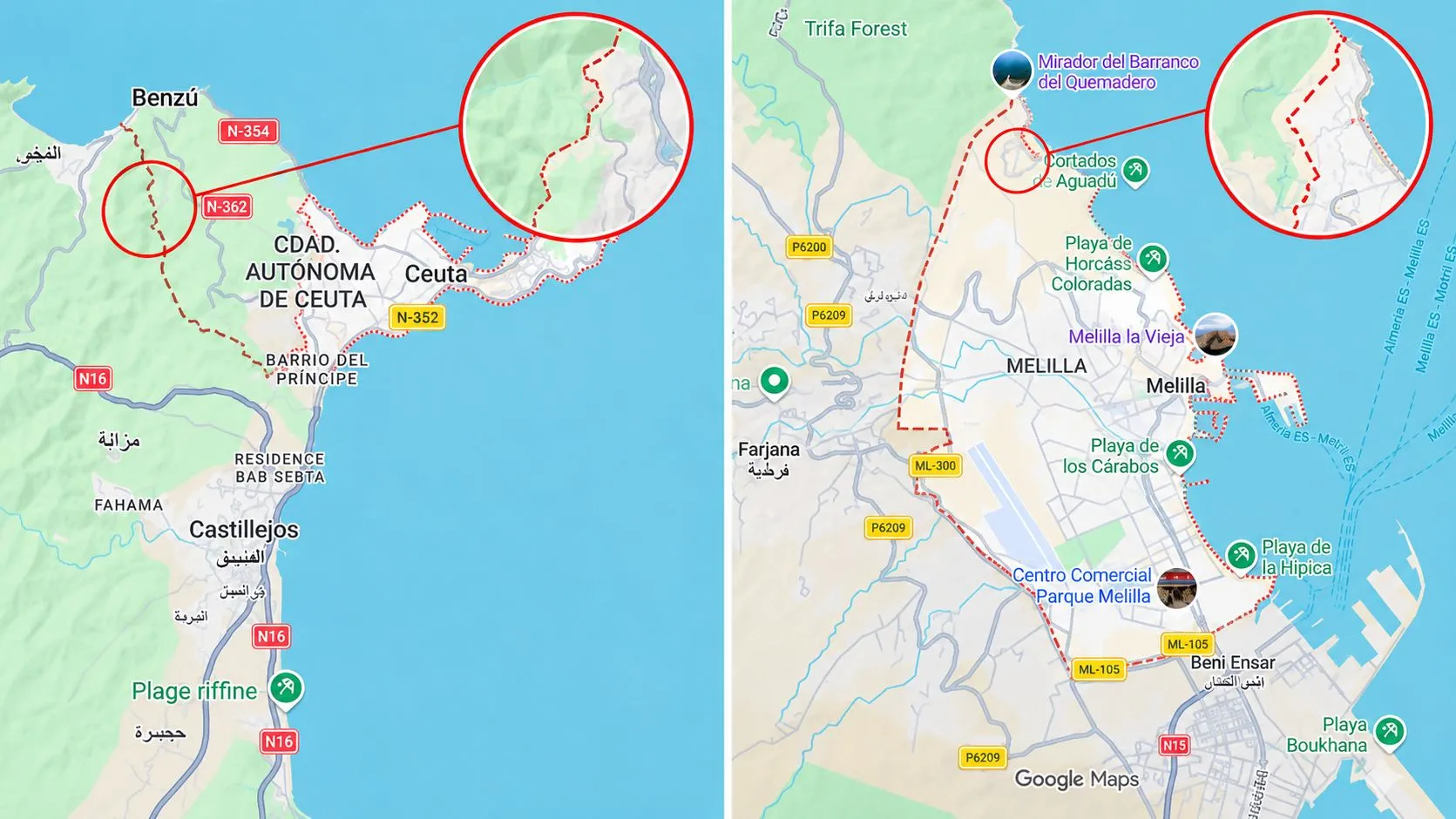
Recent reports indicate a significant shift in the motivations of young asylum seekers from Morocco arriving in the Spanish exclave of Ceuta. According to Spanish police sources, a majority of these individuals are now citing their sexual orientation as a primary reason for their flight. This change was highlighted in an article by the Spanish newspaper "ABC," which noted that approximately 70 percent of the latest applicants are making such claims. However, despite the increase in these types of applications, only five requests that cited sexual orientation as a basis for protection have been granted to date.
Initially, many of the asylum seekers who arrived in Ceuta on July 30 and 31 reported economic reasons for their migration, such as unemployment or the pursuit of better living conditions. Nevertheless, the narrative has evolved, with persecution based on sexual orientation emerging as the most frequently cited justification among these young individuals seeking refuge.
Concerns About Misuse of Asylum Claims
Law enforcement officials are considering the possibility that information regarding the successful claims for asylum based on sexual orientation is being shared among the asylum seekers. There are speculations that guidance from aid organizations may also be influencing the increase in such claims. However, the police union has stated that there is no evidence of systematic abuse of the asylum process. Notably, about 95 percent of the asylum applications scrutinized by the police come from Moroccan nationals, with an estimated rejection rate of about 99 percent for already processed applications from Morocco.
In Spain, persecution based on sexual orientation is recognized as a valid ground for asylum under the country's laws. Nonetheless, simply declaring oneself as homosexual does not automatically qualify for protection; authorities must assess whether there is a credible risk of persecution upon return to the individual's home country. This assessment does not necessarily require prior incidents of violence or arrest.
Homosexuality is criminalized in Morocco under Article 489 of the Penal Code, with penalties ranging from six months to three years of imprisonment, alongside fines of 120 to 1,200 Dirhams. Over recent years, numerous cases of arrests, public trials, and convictions have surfaced. For instance, last year, activist Ibtissam Lachgar was sentenced to two and a half years in prison for wearing a t-shirt with the message "Allah is lesbian." The organization Border Resistance has raised concerns about the heightened vulnerability of queer migrants in Ceuta, citing instances of harassment and threats. They have called for safe housing and a halt to deportations of queer asylum seekers.
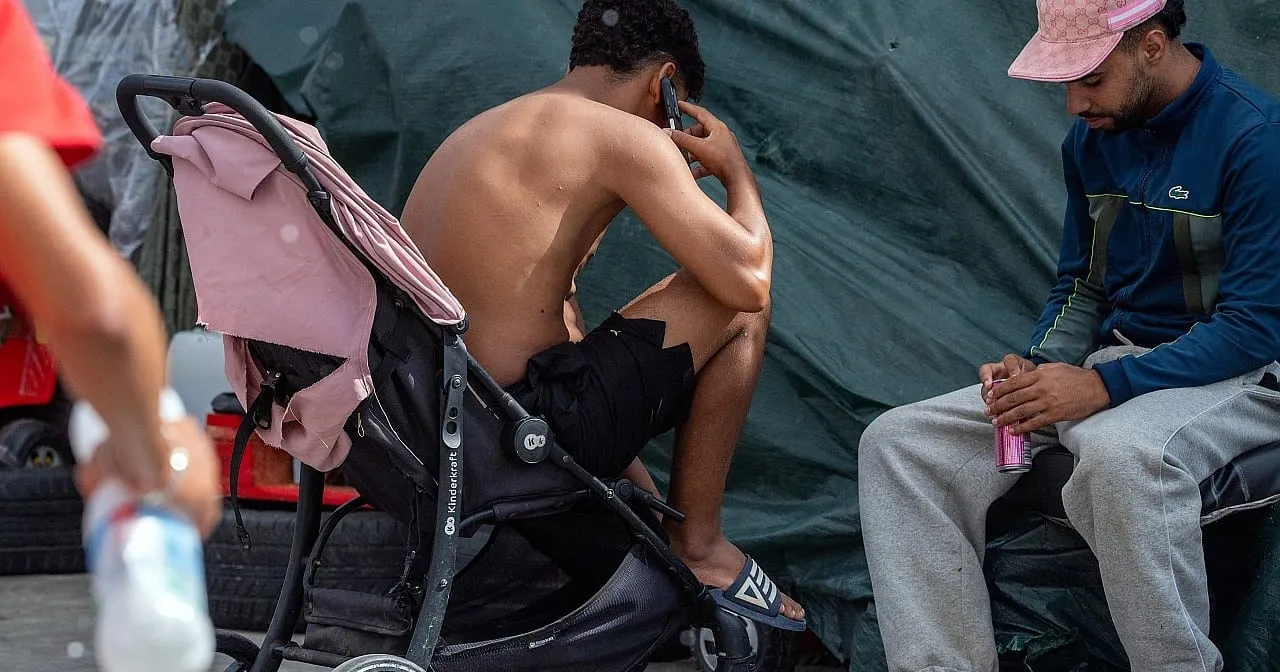
According to estimates, there are still around 10,000 individuals residing in Ceuta, although recent efforts to clear illegal encampments have reportedly led to a notable decrease in numbers.
As reported by queer.de.