Marrakech Welcomes New Developments in Tourism with Major Investment
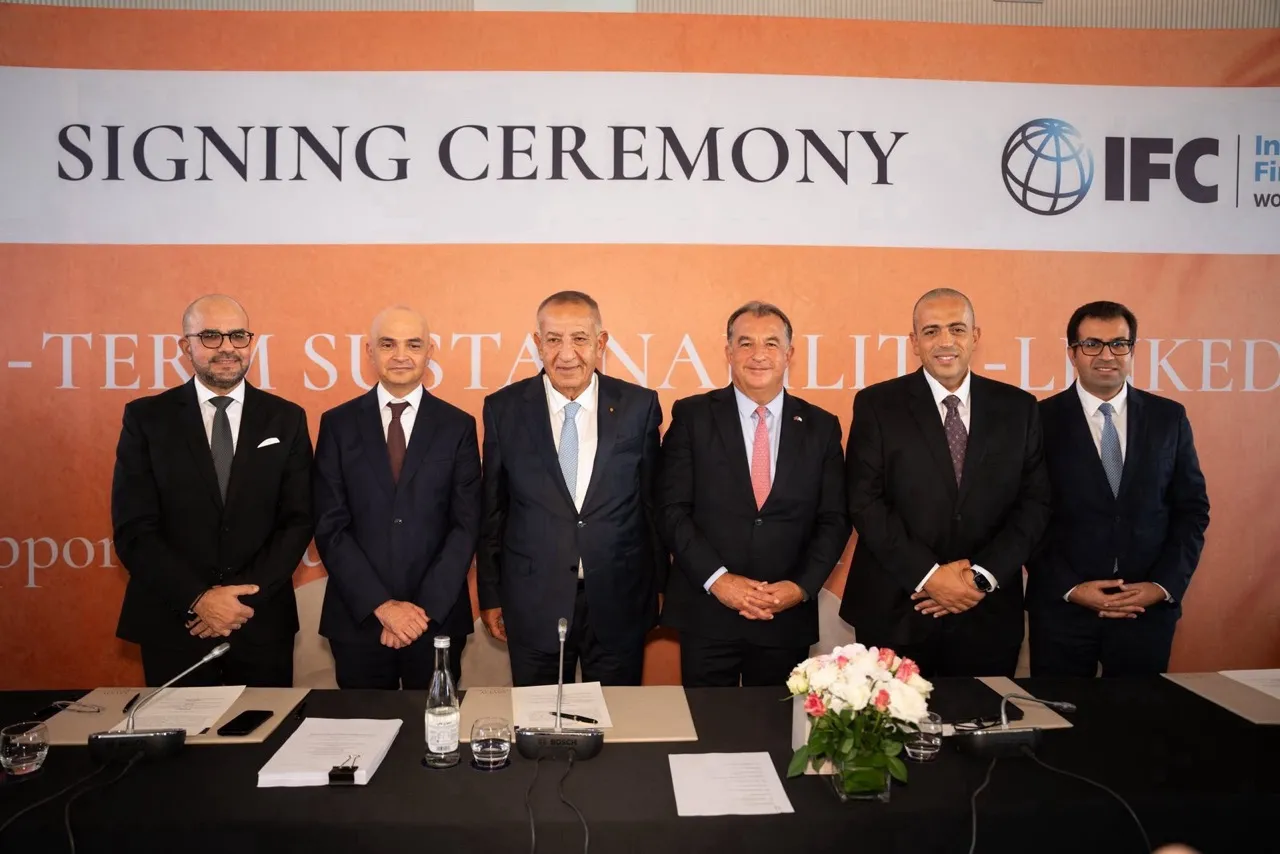
Marrakech, Morocco, October 15, 2026 - The International Finance Corporation (IFC) has announced a pivotal partnership with Pickalbatros Hotels & Resorts Group aimed at developing and modernizing its hotel portfolio in Morocco. This collaboration is expected to create over 7,500 jobs, enhance the country’s tourist infrastructure, and generate approximately $269 million in additional economic contributions by 2032. The Moroccan tourism sector is experiencing rapid growth, with international arrivals reaching 19.8 million in 2025, and the nation aims to welcome 26 million visitors by 2030, coinciding with Morocco’s co-hosting of the FIFA World Cup.
To sustain this momentum, continued investments in tourism infrastructure, skills development, and service quality are crucial for translating sector growth into job creation and additional economic opportunities. To support this expansion, the IFC and Attijariwafa Bank are providing $250 million in financing to the Moroccan subsidiaries of Pickalbatros. This investment will enable Pickalbatros, one of Africa’s largest hotel platforms, to acquire three hotels in Casablanca and renovate and modernize both the newly acquired properties and some existing establishments. The group currently operates 35 hotels in Egypt and Morocco, including seven in Morocco, where it has been active since 2015.
Boosting Sustainable Tourism and Economic Growth in Morocco
This expansion not only deepens South-South investment but also facilitates the flow of private capital and hotel expertise between African markets. Additionally, it will enhance the availability of quality accommodations and contribute to the establishment of more modern and sustainable tourist infrastructures in Morocco. Kamel Abou Aly, founder and president of Pickalbatros Hotels & Resorts, remarked, “This financing marks a significant milestone, not only in our growth journey but also for the Moroccan hotel sector, reflecting our strong confidence in the Kingdom's tourism potential. Over the past two years, we have significantly expanded our presence in Morocco, and we look forward to contributing to the country's tourism ambitions and creating sustainable value for the communities in which we operate.”
This financial arrangement includes a $165 million loan from the IFC and $85 million in private capital mobilized through Attijariwafa Bank. A portion of the IFC loan, amounting to $80 million, will be backed by credit insurance as part of its Managed Co-Lending Portfolio Program (MCPP). This program offers long-term financing aimed at supporting investments in Morocco's hotel sector, at a scale that is challenging to achieve in the local market. By 2032, the project is expected to create over 1,350 direct jobs and approximately 6,200 indirect jobs.
David Tinel, IFC representative for Morocco, stated, “Morocco has a wonderful opportunity to convert the ongoing growth of its tourism sector into more jobs and broader economic prospects. This investment brings together an experienced regional operator, long-term financing linked to sustainability, and private capital to support business expansion, enhance tourist infrastructure, and help the sector grow more sustainably.”
Moreover, this financing represents the first green and partially blue financing related to sustainability from the IFC in Africa and is its largest investment to date in the African hotel sector. It will assist Pickalbatros in improving the sustainability of its hotel portfolio in Morocco, with objectives to reduce greenhouse gas emissions and achieve EDGE certification from the IFC for certain hotels, which will lead to a reduction in energy and water consumption by at least 20%. The IFC is also providing advisory support to strengthen the company’s sustainability practices and promote the use of sustainable financing in Morocco's hotel sector.
The project aligns with the new Country Partnership Framework (CPF) of the World Bank Group for Morocco, launched in July 2026, for the 2026-2035 fiscal period. This framework places the creation of more and better-quality jobs at the heart of the partnership and aims to support Morocco's transition towards a more productive, inclusive, and private-sector-driven economy. Priorities include enhancing productivity and competitiveness of businesses, developing more inclusive and resilient territories, and strengthening human capital.
As reported by ifc.org.