Spain Requests Assistance from Morocco as Migrant Influx Hits Ceuta
In the early hours of July 30, 2023, Spanish security authorities reached out to their Moroccan counterparts as they observed hundreds of migrants attempting to swim into Ceuta, a Spanish enclave located on the northern coast of Africa. This surge in attempted crossings came on the heels of a Supreme Court ruling announced on July 8, which seemingly encouraged these migrants, known as "swimmers," to take to the waters in hopes of reaching Spanish territory. According to confidential sources involved in the ongoing migration crisis, Spain sought Moroccan assistance to prevent these swimmers from departing from Moroccan shores, as any interception in Spanish waters would signify a successful entry. However, Morocco's response was to neglect Spain's request for help, citing "technical problems" without providing further elaboration. Intelligence sources linked to the State Security Forces have expressed uncertainty regarding the veracity of these claimed technical difficulties, noting that regardless of their authenticity, the outcome remained unchanged.
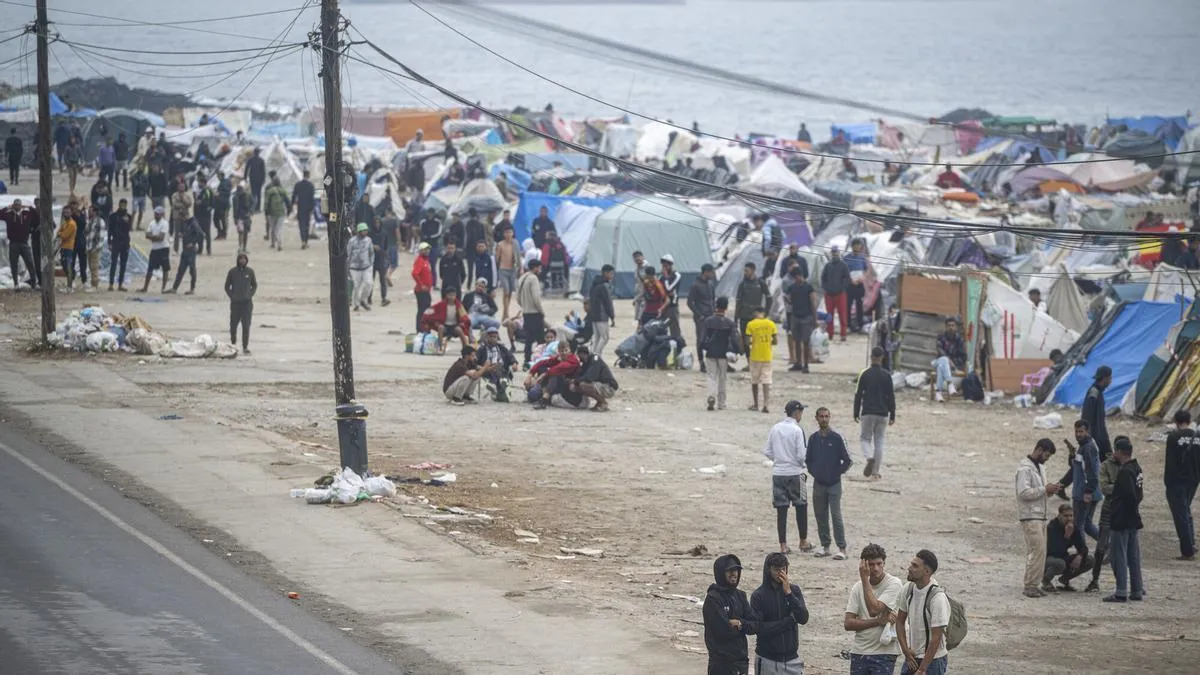
It's important to highlight that just the day prior, on July 29, the National Intelligence Center (CNI) had issued warnings about the potential for massive migrant entries, relaying this information to Spain's Interior Ministry and the Civil Guard. The intelligence report specifically alerted both internal and external Moroccan services—the General Directorate of Territorial Surveillance (DGST) and the General Directorate for Studies and Documentation (DGED)—about the likelihood of attempts to breach the border during the Throne Day celebrations. This warning detailed the possible ingress by both land and sea, and the CNI identified social media groups, particularly on Facebook and WhatsApp, where around 180,000 individuals were mobilizing around the idea of storming Ceuta, coinciding with the anticipated relaxation of border controls during the festive period.
Unprecedented Migrant Crisis Unfolds as Morocco Stays Silent
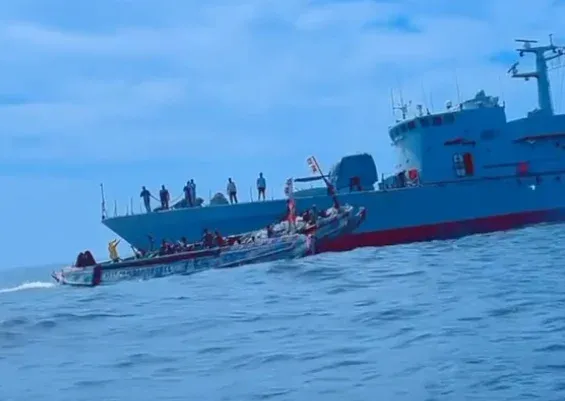
As dawn approached on July 30, reports emerged from _Artículo14_ that by 5 AM, the Civil Guard and Maritime Rescue began spotting hundreds of migrants swimming towards the Spanish coast. The Salvamar Atria, a high-speed rescue vessel operated by the Ministry of Transport, was deployed to the deeper waters near the coastline where many migrants were attempting to enter from less crowded areas rather than the heavily trafficked jetty. It was discovered that approximately thirty migrants were aboard a Moroccan military ship that was allegedly transporting them closer to the shore. Upon realizing the proximity of the Spanish rescue vessel, the Moroccan crew reportedly threw the migrants into the sea. The first report from the boat indicated the rescue of twelve individuals, including a woman, and highlighted the concerning situation, suggesting communication with the Civil Guard in Ceuta as the Moroccan patrol boat was allegedly not assisting and was instead discarding individuals into the water for them to be retrieved by the Spanish vessel.
By 5:47 AM, a subsequent report confirmed the rescue of an additional eight migrants, bringing the total to 28 men and two women. This report substantiated claims that the Moroccan patrol boat had been actively tossing individuals into the water to facilitate their crossing to Spain. In this tense scenario, Spanish media faced an unprecedented influx of migrants, with Morocco not only failing to assist in curtailing the situation but seemingly complicit in the ongoing crisis. _Artículo14_ attempted to engage with officials from the Ministry of the Interior to verify communications with Morocco regarding this matter, but they declined to provide a response.
As reported by articulo14.es.