Spanish Court Refers Case to Morocco and Other Nations
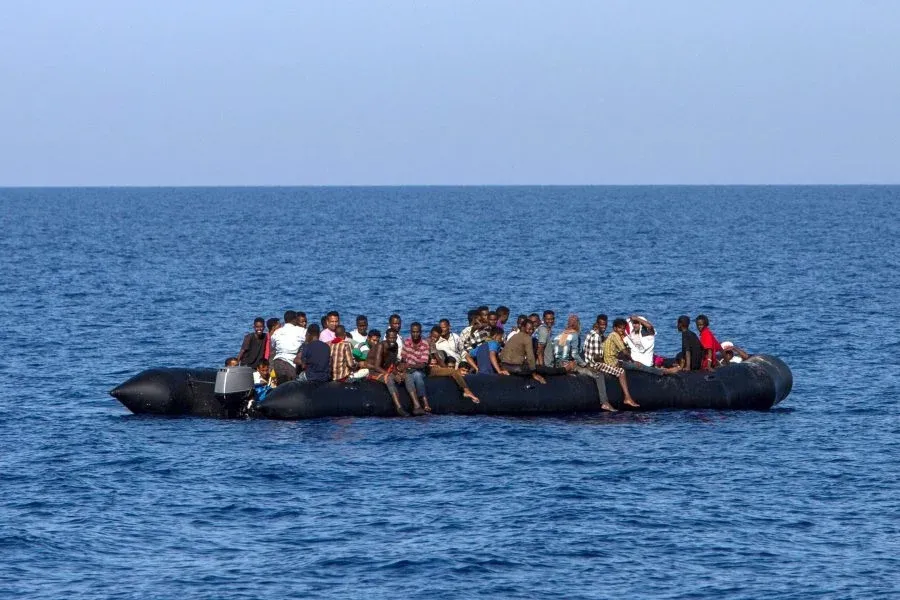
In a significant legal development, a judge in Lanzarote, Spain, has determined that the proceedings regarding an alleged rape incident aboard a migrant boat traveling from Agadir, Morocco, to the Canary Islands should be referred to the Spanish Ministry of Justice. The judge's decision emphasizes the complexities surrounding jurisdiction in cases involving irregular migration, particularly when such incidents occur outside the territorial waters of Spain. The Court of First Instance in Arrecife has stated unequivocally that Spanish courts lack the authority to adjudicate complaints related to alleged sexual violence that transpired during the boat's journey.
The court's ruling comes in response to a complaint lodged by a woman from Guinea, who reported that she had suffered sexual violence while aboard the inflatable vessel. In the wake of her arrival in the Canary Islands, authorities initiated an investigation, which included medical examinations and expert assessments that led to the identification of three suspects: two Malian nationals and one individual from Burkina Faso. Initially, the court ordered their provisional detention on September 19, a decision that was reaffirmed two days later.
However, in a surprising turn, a public prosecutor called for the suspects' immediate release on September 24, arguing that Spanish courts do not possess the jurisdiction to handle the case. The ruling clarified that the distance from Agadir to the Canary Islands is approximately 222 nautical miles, while Spain's territorial waters extend only 12 nautical miles from its coastline. Furthermore, there was no indication that the migrant boat was flying the Spanish flag, which further complicated the jurisdictional issues at play. The Spanish judicial authorities underscored that, as per Article 23.1 of the Organic Law on the Judiciary, the basis for jurisdiction in this situation was not applicable.
This ruling prompts critical reflections on how serious allegations of sexual violence are addressed when they occur beyond a nation's territorial waters. It raises concerns about the procedural challenges faced in ensuring that victims receive justice when they arrive in a country seeking safety and protection. The decision to refer the case to authorities in Morocco and three other nations illustrates the intricate legal landscape and the need for international cooperation in addressing such grave matters.
As reported by moroccoworldnews.com.