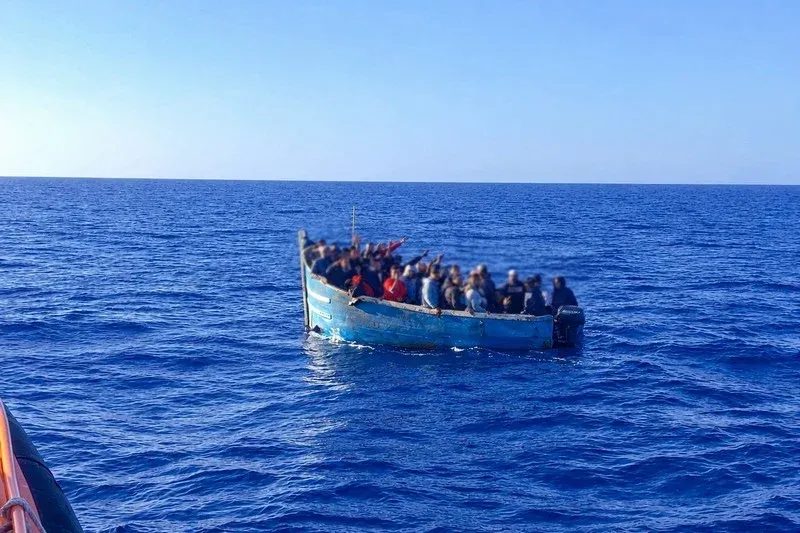
In a striking development for Morocco and the broader migration landscape, recent reports indicate a staggering 159% increase in migrant arrivals to Spain's Canary Islands over a two-month period, positioning Morocco as a critical launch pad for these journeys. This surge, recorded between August 16 and October 15, saw 4,162 migrants successfully reach the islands via boat, in stark contrast to the 1,608 arrivals during the same timeframe in 2025, as outlined by the Spanish Interior Ministry.
The notable rise in migrant numbers marks a significant turnaround following a series of months characterized by declining arrivals. Prior to mid-August, the daily average of migrants landing on the islands hovered around 21, but this figure escalated to 68 in the subsequent months, showcasing an alarming trend in migration patterns. The most pronounced increase occurred between September 16 and October 15, when 3,378 migrants made the perilous journey, compared to only 784 in the preceding month.
Despite this recent spike, it is important to contextualize that total migrant arrivals since the beginning of the year remain 33.5% lower than the previous year, with 8,970 migrants recorded by October 15, compared to 13,491 in 2025. This data highlights the complexities and fluctuations of migration dynamics in the region, particularly in relation to Morocco's role as a primary departure point.
According to estimates from Spanish media outlets citing police sources, approximately 60% of the boats reaching the Canary Islands originate from Morocco's Atlantic coast, including its southern provinces. La Razón reported that since September 14, 25 boats transporting 1,561 migrants have launched from Moroccan-controlled coastal areas, while only 24 vessels have been documented departing from farther south in West Africa.
The recent increase in migration pressure follows a significant mass migration event in July in Ceuta, where Spanish authorities reported tens of thousands of arrivals. In response to the escalating situation, the regional government of the Canary Islands has called for additional police resources and the involvement of the European Union's border agency, Frontex, to manage the inflow effectively.
Local officials have raised concerns over the mounting pressure on reception facilities within the islands, particularly on El Hierro, where several of the recent arrivals have tragically involved fatalities at sea. This ongoing situation underscores the urgent need for coordinated efforts to address the complexities of irregular migration between Morocco and Spain.
As reported by en.hespress.com.