The Strategic Shift in US Military Operations
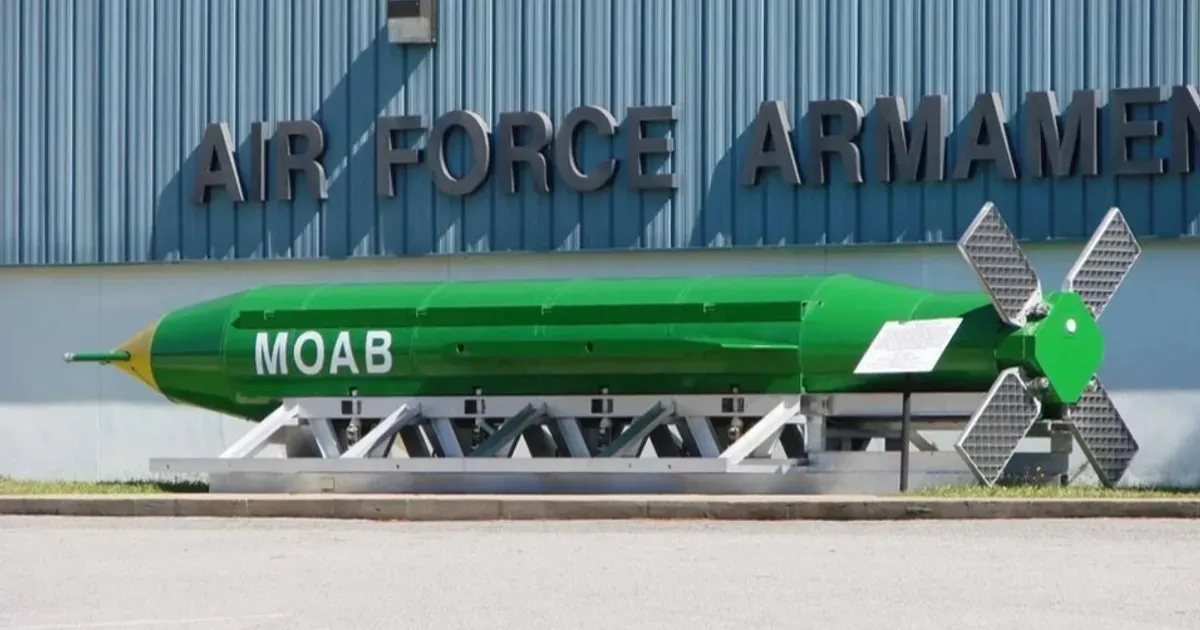
The United States military is reportedly developing new strike plans that may include the deployment of the GBU-43/B, commonly known as the "Mother of All Bombs" (MOAB), targeting Iranian energy infrastructure and nuclear sites. This potential escalation comes as President Donald Trump faces mounting pressure to resume military operations, according to information shared by US officials with CNN. If utilized against Iranian targets, the MOAB would represent a significant intensification of military action, raising questions about its effectiveness in achieving strategic objectives or altering the trajectory of ongoing conflicts.
Military Options and Effectiveness Concerns
In a recent interview with Newsmax, President Trump clarified that the MOAB is not a nuclear weapon, describing it as an extremely large bomb, akin to a small nuclear weapon but devoid of nuclear capability. A source informed CNN that Trump has tasked the US military with developing additional strike packages that would include the MOAB, indicating that such an attack could occur prior to the withdrawal of American forces from the Central Command area of responsibility. This suggests an intention to conduct further strikes and declare victory before rapidly pulling out troops.
Concerns remain regarding the MOAB's effectiveness against deeply buried Iranian nuclear installations, such as the suspected facilities at Mount Parchin. While the bomb is capable of devastating surface areas equivalent to nine city blocks, it may not penetrate the fortified structures believed to house Iran's nuclear components, which are protected by layers of granite and other geological barriers. Sources familiar with military planning have pointed out that while the MOAB is designed to clear vast areas, its utility as a weapon against deeply entrenched targets is limited.
Should the MOAB be deployed, its extensive blast radius raises significant humanitarian concerns, particularly regarding civilian casualties in densely populated areas where Iranian infrastructure is located. Nonetheless, the strategic use of the MOAB could serve as a psychological weapon against a regime that appears steadfast in its position and resistant to diplomatic overtures from the US.
Originally developed in the early 2000s and unveiled during preparations for the Iraq invasion in 2003, the MOAB is designed to create a massive explosion by detonating in mid-air, thereby maximizing its destructive radius. The bomb's operational history includes its first deployment by President Trump during his tenure, targeting ISIS positions in Afghanistan in 2017, which successfully obliterated a network of underground tunnels utilized by the terrorist organization. Despite the bomb's destructive capabilities, the challenge remains in its application against specific strategic targets such as Iranian nuclear facilities.
With 86.3% of its 9,850-kilogram mass comprising explosives, the MOAB stands as the largest conventional bomb in the US arsenal. However, the operational constraints related to its deployment, particularly the requirement for specific aircraft types, pose further operational challenges, especially if Iranian air defenses remain active near potential targets. This raises critical questions about the feasibility of employing the MOAB effectively against fortified Iranian sites.
As reported by asharq.com.