Algeria’s Misrepresentation of Moroccan Heritage in a Recent Video
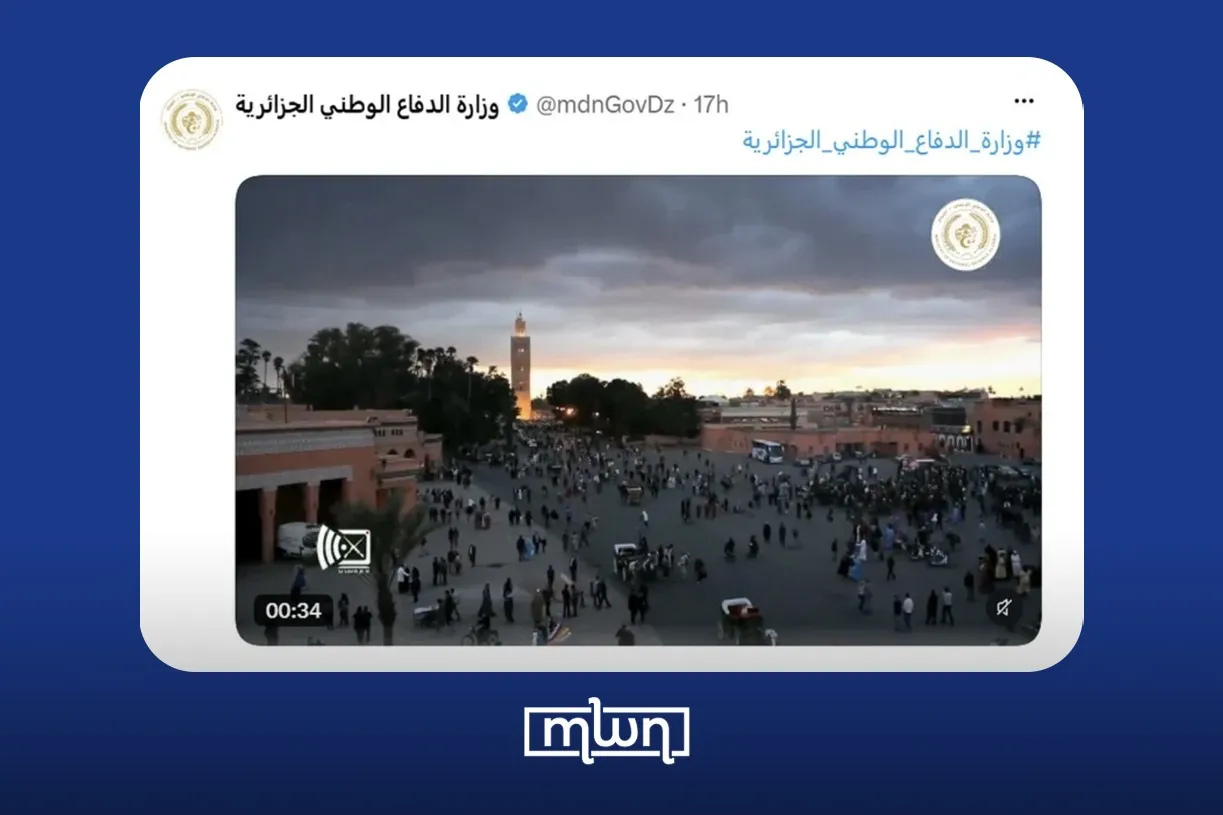
Marrakech, a city renowned for its vibrant history and cultural significance, has recently found itself at the center of a contentious issue involving Algeria. On Thursday, Algeria's Ministry of National Defense shared a promotional video on X, which controversially included imagery of iconic Moroccan landmarks such as the Koutoubia minaret and the bustling Jemaa el-Fna square. This presentation, meant to showcase Algeria’s purported leadership on the African continent, inadvertently revealed a glaring oversight: the acknowledgment of Moroccan heritage as part of Algeria's narrative.
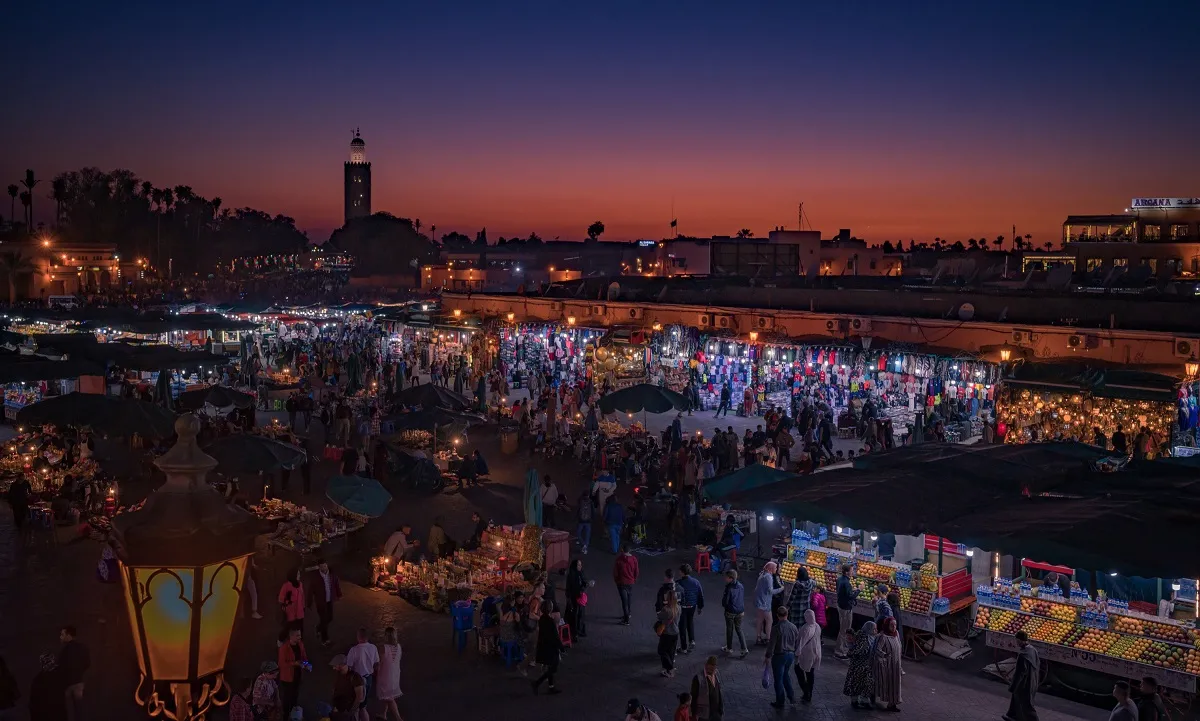
The Koutoubia minaret, a striking architectural masterpiece completed in the 12th century, has stood as a symbol of Marrakech for over 800 years. Its silhouette has influenced other notable structures, including the Giralda in Seville and the Hassan Tower in Rabat. Similarly, Jemaa el-Fna, recognized by UNESCO as a Masterpiece of the Oral and Intangible Heritage of Humanity, is a vibrant gathering place teeming with storytellers, musicians, and performers. This square, along with the historical medina that surrounds it, has been designated a World Heritage site since 1985, firmly establishing its Moroccan identity.
Despite the clear origins of these landmarks, the video persists online, unedited, showcasing Algeria’s attempts to portray Moroccan heritage as its own. The narration accompanying the visuals claims that Algeria serves as a "calm voice of wisdom" on the continent, asserting its role as a defender of the rights of African peoples. However, the climax of the video, which declares that Algeria is inscribing its name in the annals of history, raises questions about the authenticity of such claims when they rely on appropriating symbols that do not belong to them.
The Implications of Military Influence on Foreign Policy
It is particularly notable that this video was released not by the Algerian Foreign Ministry, which would typically handle matters of diplomacy, but by the Ministry of National Defense. This highlights a concerning dynamic within Algeria, where military leaders wield significant influence over national narratives and foreign policy. The intertwining of military and state functions reveals a governance structure where the military dictates the national identity and its representation abroad.
This pattern of cultural appropriation is not new; Algeria has a history of misrepresenting and claiming Moroccan cultural elements as its own. From traditional music to the iconic Moroccan caftan, instances of appropriation have provoked widespread ridicule and condemnation. Each act of misrepresentation underscores a deeper issue: the Algerian regime appears to lack a robust cultural identity, leading it to borrow from its neighbors to create an illusion of grandeur.
The timing of this video’s release coincides with heightened tensions regarding the Western Sahara conflict, as discussions in Washington about the region's future unfold. As Algeria faces potential setbacks in international diplomacy, it resorts to showcasing fabricated narratives of triumph to bolster national pride. However, this strategy may backfire, as it ultimately reveals the fragility of the Algerian narrative and its reliance on appropriating Moroccan heritage.
In conclusion, the persistence of this video online serves as a testament to Algeria's struggle for authenticity. Rather than signifying strength, the act of appropriating Marrakech's cultural symbols exposes a profound weakness within the Algerian state. Each day the video remains accessible serves as a reminder that true cultural heritage cannot be manufactured or borrowed; it is a reflection of genuine history and identity. The lasting message is clear: the borrowed beauty of Marrakech ultimately underscores Morocco's rich heritage and cultural sovereignty.
As reported by moroccoworldnews.com.