Major Archaeological Discovery in China
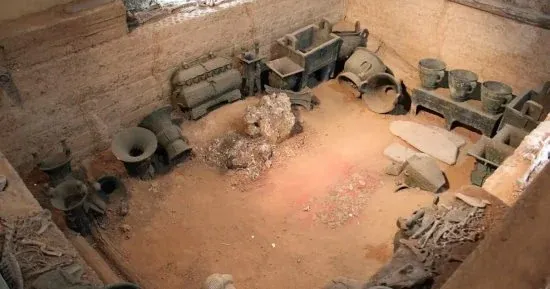
The recent excavations at the tomb of the legendary warrior queen Fu Hao in China have yielded an astonishing treasure trove of history, with archaeologists uncovering a staggering total of 1,928 artifacts, including bronze weapons, jade jewelry, and ritual vessels. Alongside these artifacts, the remains of 16 individuals believed to have been sacrificed during burial ceremonies were also discovered, providing profound insights into the practices of ancient Chinese society and the status of one of its earliest known military leaders.
This significant find not only showcases the artistic and cultural achievements of the Shang Dynasty but also highlights the complex rituals associated with death and the afterlife in ancient China. The findings have sparked renewed interest in the legacy of Fu Hao, who is often celebrated for her role as a military leader and her contributions to the early formation of Chinese civilization.
Re-examining Historical Significance
After 50 years since the initial discovery of the tomb, both Chinese and international researchers convened in October 2026 in Anyang to reassess the contents of this remarkable burial site. The conference aimed to explore what these artifacts reveal about Chinese society during the Shang Dynasty, as well as shedding light on the military strategies and social structures of that era. The ongoing research continues to enrich our understanding of ancient Chinese history, particularly the role of women in leadership positions.
As such discoveries unfold, they not only deepen our knowledge of the past but also challenge existing narratives about gender roles and societal norms in ancient civilizations. The tomb of Fu Hao remains a critical site for archaeologists and historians alike, as it continues to provide invaluable evidence of the sophistication and complexity of early Chinese society.
As reported by m.youm7.com.