
Unveiling the Official Selection for the 7th Arab Film Festival in Casablanca
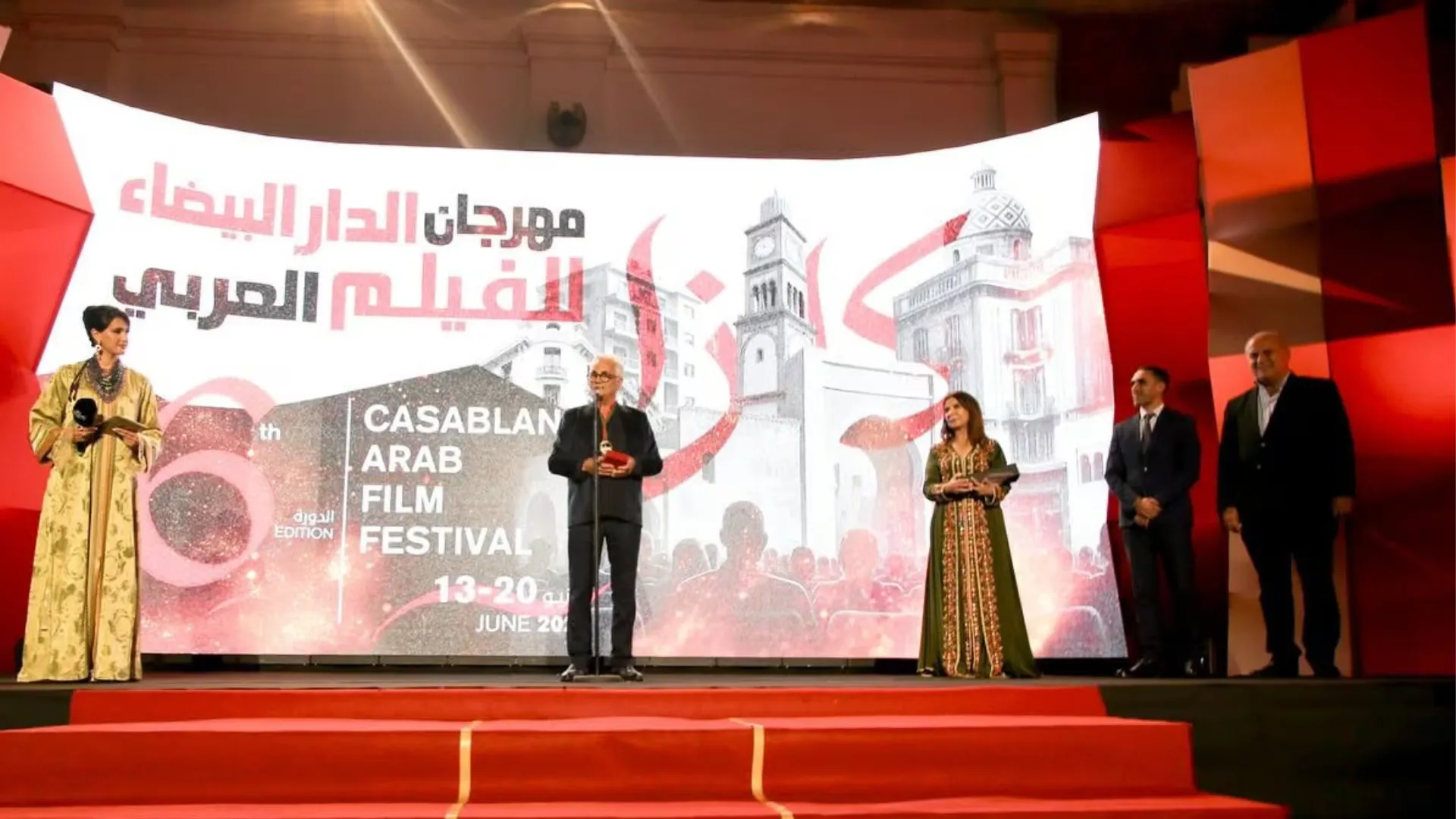
The vibrant city of Casablanca is set to become the focal point of Arab cinema as it prepares to host the 7th edition of the Arab Film Festival from July 17 to July 24, 2026. This year's festival promises an exciting lineup, featuring twelve feature films and seventeen short films vying for accolades, along with a panoramic section showcasing thirteen works that are not in competition. Moroccan cinema will be prominently represented with films such as "Les Fourmis" by Yassine Fennane, "Cette mer est mienne" by Salem Bilal, and "Derrière les rideaux fermés" by Kassem Sakli, highlighting the country's rich cinematic landscape.
A Diverse Array of Storytelling at the Festival
The official selection of feature films encompasses a remarkable variety of narratives, including both fiction and documentary styles, reflecting a broad spectrum of geographical origins and thematic concerns. Filmmakers participating in this year’s festival are delving into fundamental human issues, weaving together intimate stories and expansive historical narratives. Notably, the poignant documentary "L'Insurrection oubliée 1958" by Palestinian director Ward Jreici and "Erkala: le rêve de Gilgamesh" by Iraqi filmmaker Mohamed Al-Daradji stand out, focusing on significant moments in collective memory. The festival also showcases the dynamic emergence of Gulf cinema, particularly notable with Saudi contributions like "Une question de vie ou de mort" by Anas Ba-Tahaf and the much-anticipated "La porte" (Bab) by Nayla Al Khaja. Morocco's strong representation is further cemented through the works of Yassine Fennane and Salem Bilal, who bring distinct Moroccan narratives to the forefront.
The short film competition features an impressive collection of seventeen films, each serving as a testament to the creativity and innovative spirit of emerging filmmakers. These shorts are not merely artistic expressions; they tackle pressing social issues and individual quests for identity, presenting a fresh perspective on contemporary life. Among the highly anticipated works are "Mon nom est Amal" by Syrian director Sherwan Haji, "Embuscade" by Jordanian filmmaker Yasmina Karajah, and the Saudi-Kuwaiti production "Un autre endroit" directed by Haya Al-Ghanem, which addresses themes of exile and resilience. Additionally, Moroccan filmmaker Kassem Sakli's "Derrière les rideaux fermés" adds to the country's representation in this competitive category.
Staying true to its mission of cultural exchange, the festival also includes a non-competitive section titled "Histoires arabes," which features thirteen films that enrich the festival experience without the pressure of competition. This section includes significant contributions like "Aïcha ne peut plus s’envoler" by Egyptian director Mourad Mostafa, alongside important Moroccan works such as "Algues amères" by Driss Chouika and the collaborative film "Cheikha" by Zahoua Raji and Ayoub Layoussifi. With such a diverse and engaging lineup, the 7th Arab Film Festival in Casablanca is poised to be a celebration of cinema that resonates with audiences both locally and internationally.
As reported by fr.le360.ma.