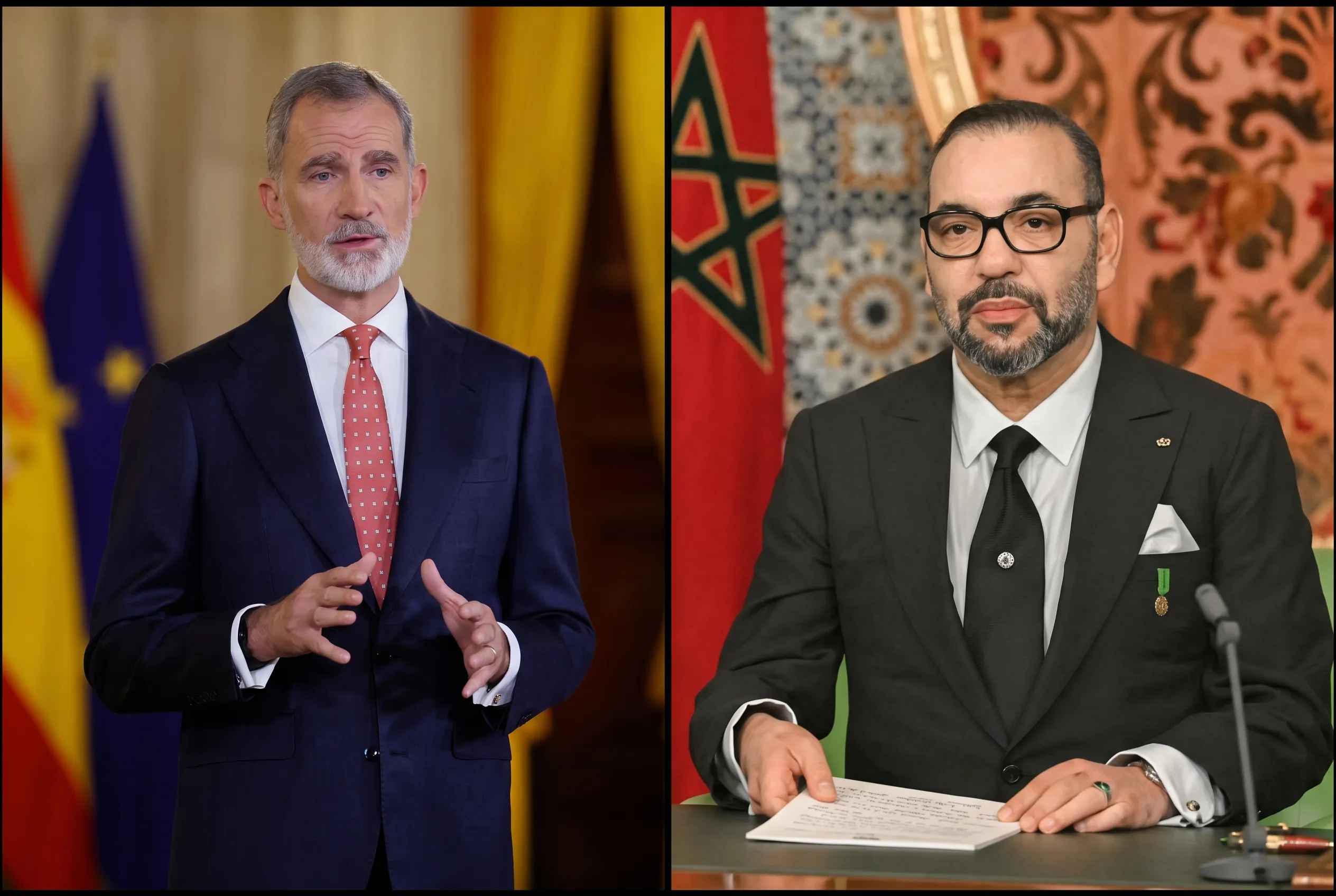

A Diplomatic Standoff: King Mohammed VI Challenges Spain on Migration Issues
In a significant display of diplomatic tension, Morocco’s King Mohammed VI has openly criticized Spain’s migration policies, asserting that the existing cooperation between the two nations has reached a critical impasse. This statement comes shortly before a historic visit by Spain's King Felipe VI and Queen Letizia to the Spanish enclaves of Ceuta and Melilla, which have become focal points in the ongoing migration crisis. In July, over 70,000 migrants crossed from Morocco into Ceuta, leading to substantial diplomatic strain and the necessity for extensive police operations to manage the situation. King Mohammed VI emphasized that while Morocco has made strides in controlling irregular migration, the bilateral framework currently in place is insufficient to handle the recurring challenges posed by such crises.
The timing of King Mohammed VI’s remarks is particularly poignant, coinciding with the first visit by a Spanish monarch to Ceuta and Melilla since 2007. This visit occurs amidst long-standing tensions concerning Morocco's claims to these territories. The recent influx of migrants has heightened the urgency of this diplomatic dialogue, as many migrants remain in Ceuta, straining local resources and escalating political tensions within Spain. In response to the crisis, Spanish authorities have initiated operations to clear informal settlements where migrants have sought refuge, indicating the substantial pressures facing both nations in managing migration effectively.
Proposing a New Migration Partnership
Addressing the Moroccan parliament, King Mohammed VI reiterated his country’s commitment to curbing irregular migration and expressed concerns over Spanish legal provisions that, according to him, hinder effective cooperation, particularly regarding the repatriation of unaccompanied minors and rejected asylum seekers. He firmly rejected any notion that Morocco's relationship with Spain could be dictated by external pressures or threats, framing the partnership as a sovereign decision that should be mutually beneficial.
Despite the recent strains in diplomatic relations, there have been improvements since Spain endorsed Morocco's autonomy plan for Western Sahara in 2022. However, the latest migration crisis has tested the resilience of this partnership. Looking to the future, King Mohammed VI proposed a new framework focused on shared development, economic competitiveness, and regional stability, aiming to redefine the partnership in a way that addresses the root causes of migration while ensuring security for both nations. The upcoming visit of King Felipe VI is set against this backdrop of heightened diplomatic significance, as both countries navigate the complex interplay of migration and sovereignty claims over Ceuta and Melilla.
As reported by africa.businessinsider.com.