
Breaking Barriers in Moroccan Politics
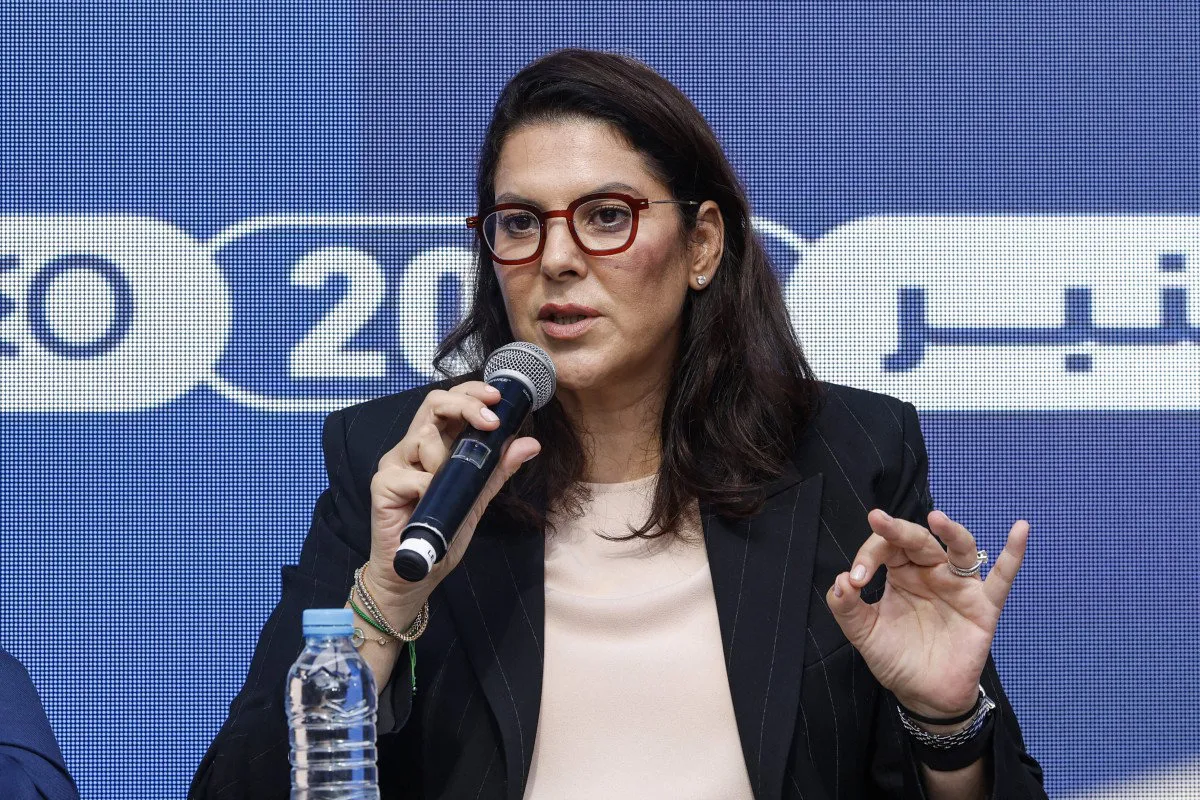
In a groundbreaking moment for Moroccan politics, Fatima Ezzahra El-Mansouri was appointed as the country's first female prime minister on September 29, 2026, following the legislative elections held on September 23. This appointment marks a significant milestone in the history of Morocco, as it not only acknowledges the potential of women in leadership positions but also reflects the gradual evolution of gender roles within the nation's political landscape. King Mohammed VI made this historic decision, reinforcing his late father King Hassan II's earlier assertion that there were no constitutional or Islamic barriers preventing a woman from assuming such a high office.
A Legacy of Female Leadership
El-Mansouri's ascent to power is not an isolated incident but rather a continuation of a long-standing tradition of female authority in Morocco. Throughout history, women have played crucial roles, even when not formally recognized in positions of power. The 9th-century founder of the Al-Qarawiyyin University, Fatima Al-Fihri, and the 16th-century ruler Sayyida Al-Hurra exemplify the historical significance of women's contributions to Moroccan society. The 2011 constitution further opened doors for women in politics and governance, leading to a notable increase in female representation in parliament and other government positions. As a result, women now occupy 27 percent of the seats in the lower house, a slight increase from previous years.
Fatima Ezzahra El-Mansouri's own journey reflects this evolving landscape. Born in Marrakesh in 1976, she pursued legal education in France and the United States before entering local politics, where she became the first female mayor of Marrakesh. Her political career exemplifies the gradual institutionalization of women's authority in Morocco, transitioning from informal influence within families and communities to formal roles within the government. However, El-Mansouri's appointment is not merely symbolic; it comes with substantial responsibilities as she seeks to address pressing economic challenges, including high youth unemployment and the need for infrastructure improvements ahead of Morocco co-hosting the 2030 FIFA World Cup.
In conclusion, the appointment of Fatima Ezzahra El-Mansouri as Morocco's first female prime minister is a significant step forward for gender equality in the nation's political sphere. It symbolizes a shift toward recognizing the capabilities of women in governance while highlighting the importance of addressing the challenges that lie ahead. As she embarks on this new journey, El-Mansouri's performance will ultimately define her legacy, shaping the future of Moroccan politics and women's roles within it.
As reported by arabnews.com.