
In recent days, Morocco has witnessed a significant migration crisis, underscoring the urgent need for the government to address the fundamental issues facing its youth. Without improved job opportunities, access to quality education, comprehensive healthcare, and the protection of human rights, it is likely that similar crises will continue to plague the nation. The tragic events that unfolded last week serve as a stark reminder of the desperation felt by many young Moroccans.
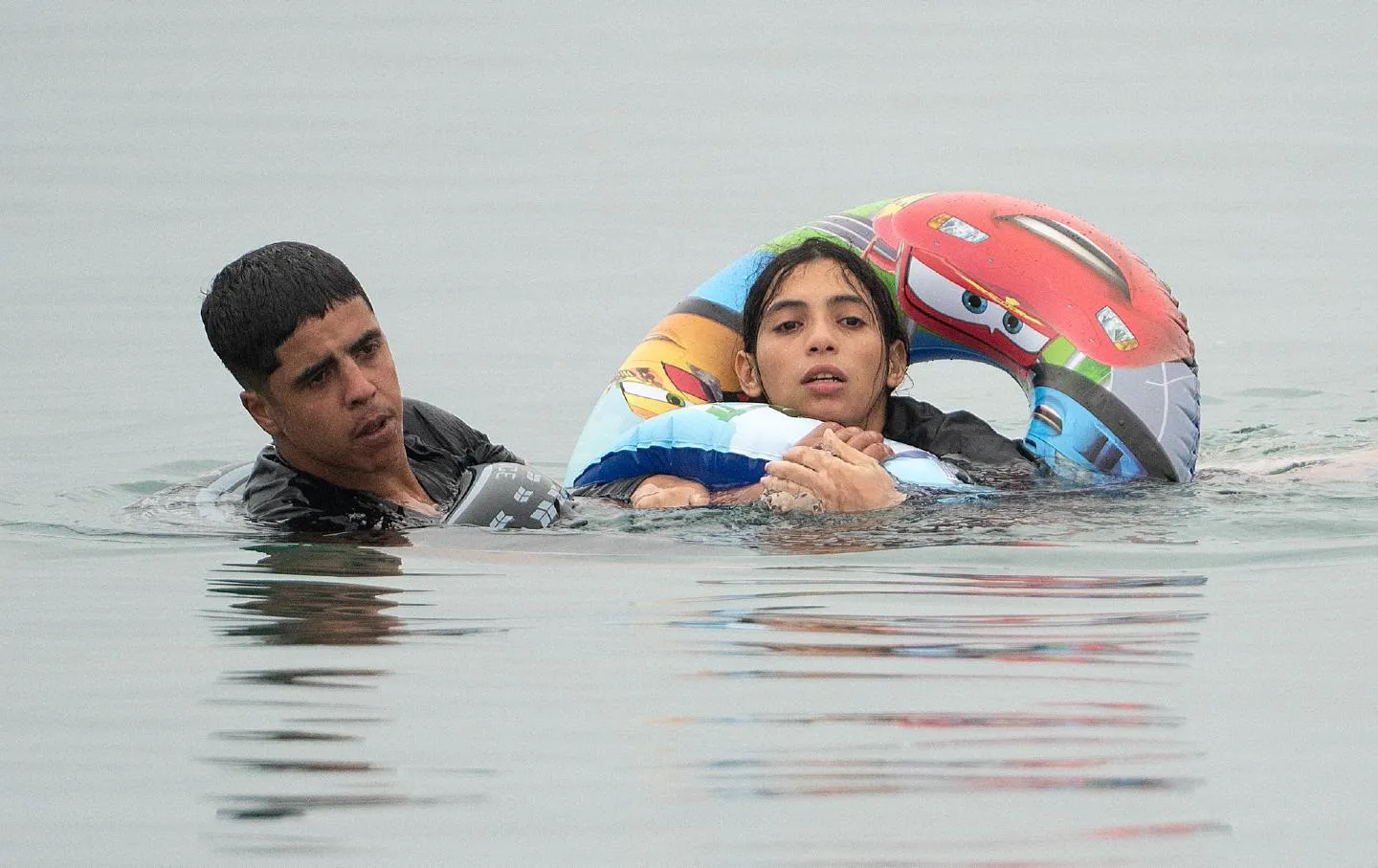
On July 31, 2026, amidst a devastating heatwave and rampant wildfires across the Mediterranean region, around 50,000 Moroccan migrants attempted to cross into the Spanish enclave of Ceuta, a mere swim away from the Moroccan coastline. However, by the end of that day, over 48,300 migrants had returned home, confronting an overwhelming lack of resources, as local immigration centers were overcrowded and businesses were shuttered. What began as a major potential humanitarian crisis was diffused almost as swiftly as it had erupted.
Social media buzzed with speculation about the motivations behind this mass exodus. Some suggested that a recent ruling by Spain’s Supreme Court, which stated that migrants arriving by sea cannot be immediately deported, prompted this surge. Others posited that Morocco might have facilitated these crossings as a political maneuver following Spanish Prime Minister Pedro Sánchez’s visit to Algeria, or to reassert claims over Ceuta and Melilla, Spain’s last bastions in Africa. The truth, however, is likely more complex, intertwining local politics with international relations.
The Haunting Contrast of Celebration and Desperation
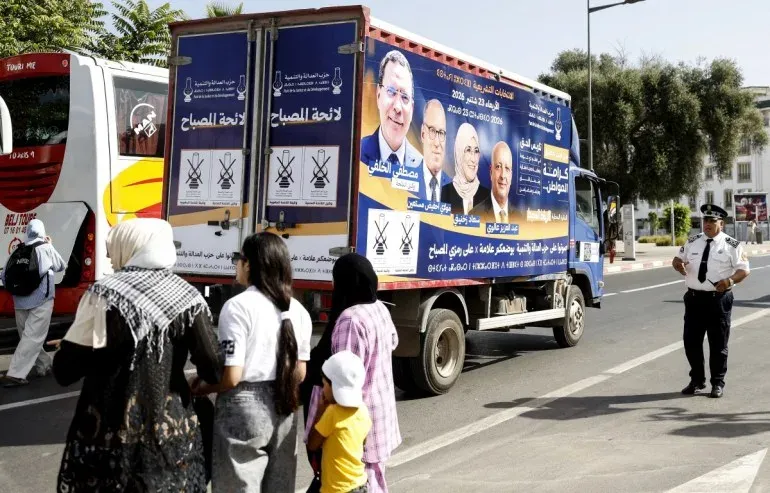
The influx coincided with Morocco's Throne Day, a celebration marking King Mohammed VI's 27 years on the throne. While dignitaries celebrated in lavish ceremonies, just miles away, young Moroccans were risking their lives in treacherous waters for a chance at a different future. This stark contrast paints a disturbing picture, highlighting the disconnect between the political elite and the plight of the youth.
Compounding the tragedy, eyewitness accounts and social media posts revealed disturbing patterns of behavior from Moroccan authorities, who appeared to guide potential migrants toward the border. This enabled thousands to approach the crossing point without apparent scrutiny, raising serious questions about the government's awareness and response to the situation. Recent history has shown that similar circumstances can lead to devastating outcomes, as seen in previous mass migration attempts that resulted in loss of life and chaos.
The relationship between Spain and Morocco is historically complex, marked by periods of both cooperation and tension. The recent migration crisis likely reflects not only immediate political maneuvers but also deeper issues, including Morocco's unresolved concerns regarding its territorial claims in Western Sahara and Spain’s decisions affecting citizenship status for those born during colonial rule. Such actions are perceived as signs of bad faith, exacerbating existing frustrations and distrust.
Yet, at the heart of this crisis lies a stark reality: countless young Moroccans harbor dreams of a better life in Europe. High youth unemployment rates and pervasive underemployment in Morocco fuel the belief that opportunities await across the sea. Many migrants, despite having jobs in Morocco, find their wages insufficient to meet their aspirations. A nurse's account of earning just €300 a month starkly illustrates the economic struggles faced by qualified individuals in the country.
The Call for Change and Future Prospects
The allure of freedom, rights, and better living conditions in Spain adds further dimensions to the motivations driving these migrations. Young Moroccans aspire to a life free from governmental constraints, where personal freedoms and opportunities are accessible. However, the recent surge does not stem from dire desperation akin to that seen in other global crises; rather, it reflects a misguided hope for immediate change that ultimately led to disappointment, as many returned home shortly after their attempts.
The recent events have highlighted a troubling indictment of Morocco’s current priorities as it prepares to cohost the World Cup with Spain and Portugal in 2030. While significant infrastructure projects are underway, the willingness of thousands to leave their homeland at a moment’s notice raises questions about the government’s commitment to addressing the needs of its youth. Without a concerted effort to improve job prospects, access to education, healthcare, and uphold human rights, the allure of migration will persist, and the tragic events we witnessed will inevitably recur.
As reported by thenation.com.