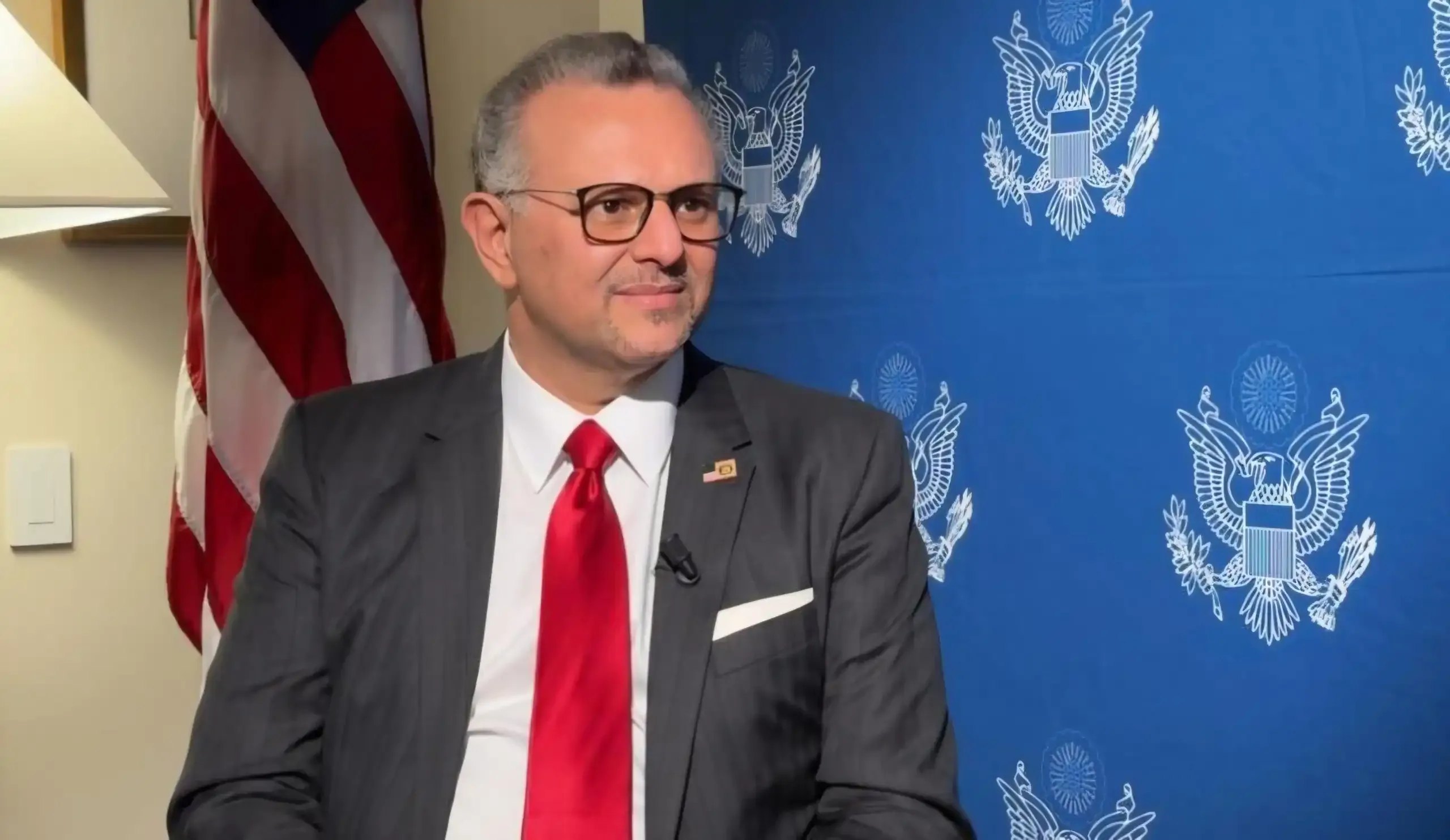

The recent developments surrounding the Western Sahara issue represent a significant blow to Moroccan diplomacy. During the 81st United Nations General Assembly, Massad Boulos, a senior advisor to former President Donald Trump, publicly dismantled the narrative propagated by the Makhzen regarding the Western Sahara conflict. On the France 24 platform, Boulos not only dismissed the accusations against Algeria but also recalibrated Rabat's expectations concerning the resolution of the ongoing conflict.
Moroccan lobbying efforts have hit a snag, as Rabat has long sought to portray Algeria as the primary obstacle to peace in Western Sahara. However, the recent statements made by Massad Boulos, who serves as the advisor for Arab and African affairs, have effectively concluded this debate. Rather than succumbing to anti-Algerian rhetoric, Washington has opted to set the record straight, indicating a shift in diplomatic discourse.
A Stinging Rejection of Makhzen Propaganda
During his interview on France 24, Boulos faced questions that seemed aimed at stigmatizing Algeria. Nevertheless, the U.S. advisor skillfully sidestepped the narrative dictated by Moroccan interests. Instead of labeling Algeria as a "regional troublemaker," a term favored by pro-Makhzen media outlets, he asserted the exact opposite. Boulos emphasized that the fabrications from Rabat do not withstand the scrutiny of diplomatic reality. He openly commended Algeria's "constructive role" in diplomacy and praised the benevolent actions of President Abdelmadjid Tebboune. This official statement effectively undermines Morocco's efforts to isolate Algeria on the international stage.
Algeria: A 'Very Good Partner' Respecting Sahrawi Rights
In response to Morocco's accusatory claims, the U.S. administration has embraced pragmatism. Massad Boulos unequivocally labeled Algeria as a "very good partner," highlighting the excellence of bilateral relations. He dismantled the myth that Algeria is the puppeteer of the conflict, clarifying that Algerian authorities have demonstrated their willingness to support within their means. Importantly, Boulos reiterated a fundamental truth that irks Rabat: Algeria cannot impose a solution on the Sahrawi people. This diplomatic reminder firmly underscores that coercion will never replace the consent of the legitimate representatives of Western Sahara.
Boulos also tempered expectations regarding Morocco's ambitions. While the 2020 proclamation remains memorable, he made it clear that U.S. support for Morocco's autonomy plan is not a blank check. Demonstrating acute political insight, he reiterated that American foreign policy is anchored in the pursuit of a "mutually acceptable solution," in alignment with United Nations Security Council resolutions. Acknowledging that there is no "imminent solution," Boulos confirmed the impossibility of unilaterally imposing Moroccan sovereignty. Dialogue with the Polisario Front is essential for achieving lasting peace, thereby dismantling Morocco's strategy of fait accompli.
The interview with Boulos also sheds light on the strengthening axis between Algeria and Washington, which poses a significant concern for Moroccan diplomacy. High-level meetings have proliferated in New York, involving figures such as Foreign Minister Ahmed Attaf, Massad Boulos, and Deputy Secretary of State Christopher Landau. These discussions follow a series of American visits to Algeria, including engagements with Africom leadership.
Washington is signaling that Algeria is much more than a mere pawn in the security landscape. The alliance now extends to an ambitious economic agenda covering energy, critical minerals, and agriculture. By solidifying this strategic partnership with Algeria, the United States demonstrates its commitment to its regional interests, refusing to sacrifice them at the altar of Moroccan demands.
As reported by just-infodz.com.