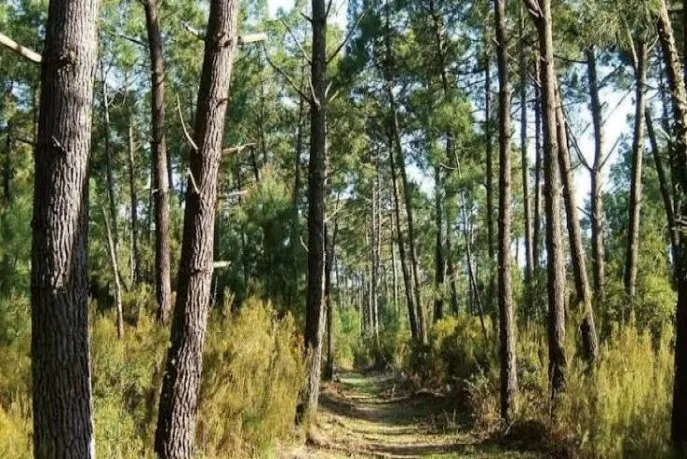

More Than Just a Reserve of Trees
During a recent conference held in Rabat, participants from the Moroccan Association for Forest Protection passionately advocated for enhanced reforestation efforts, preventive measures, and improved coordination to safeguard the nation’s invaluable forest resources. This call to action arises amidst ongoing pressures faced by Morocco's forests, which play a critical role in water conservation, soil health, and biodiversity preservation. The central message of the conference, themed "Morocco's Forests: A Strategic National Heritage and a Shield for Environmental Security and Sustainable Development," emphasized that forests extend beyond mere landscapes or timber reserves. The speakers urged attendees to collectively recognize the ecological functions, economic uses, and the integral role forests play within local communities. Protecting these vital ecosystems is essential not only for maintaining natural balances but also for promoting sustainable development.
This message holds particular significance in a country vulnerable to drought and ecosystem degradation. A report from the Economic, Social, and Environmental Council highlighted that Morocco’s forest degradation is estimated at a staggering 17,000 hectares annually, driven by the combined effects of climate change and human pressures, such as excessive firewood extraction and overgrazing. This urgent diagnosis underscores the challenges discussed in Rabat: the need to restore damaged areas while simultaneously protecting those that remain resilient.
Reforestation and Enhanced Monitoring
Azzeddine Benjelloun Touimi, the national president of the association, unveiled a comprehensive program aimed at intensifying reforestation initiatives and restructuring the organization's actions. He expressed a desire to bolster the association's presence both domestically and internationally. However, he emphasized that merely planting trees is insufficient; raising awareness and fostering a sense of responsibility among citizens is crucial to combatting the threats to forest resources. He also stressed the importance of on-the-ground actions, utilizing digital applications to report illegal practices and detect violations early. These alerts must be coupled with close coordination with authorities to curb rampant exploitation and destruction of forested areas. According to him, safeguarding the environment and biodiversity is a collective national responsibility that requires active participation from citizens and associative structures alike.
The "Forests of Morocco 2020-2030" strategy provides a broader framework for these efforts. Launched in 2020, it aims to restore ecosystems, preserve biodiversity, and promote sustainable economic development within the forestry sector. A key component of this strategy is to involve local populations in forest management, as the sustainability of forest policies relies on local usage patterns as much as on planting efforts and control mechanisms.
Nadia Skiredj, a member of the national office of the association, highlighted that forests intersect multiple critical issues such as water, soil, biodiversity, and climate, alongside economic and social interests. Their preservation necessitates an integrated vision grounded in prevention, scientific knowledge, good governance, and responsible resource valuation. Additionally, it requires robust protection and control mechanisms capable of enduring over time. This ambition demands fostering an environmental culture that transcends conferences. Skiredj called for strengthening the synergy among public institutions, elected officials, experts, researchers, civil society, and citizens. On the ground, these stakeholders often operate at different scales and with varying resources; however, their collaboration can effectively link risk observation, management decisions, and community mobilization.
The Moroccan situation reflects a broader global concern. According to the 2025 assessment by the Food and Agriculture Organization of the United Nations, forests cover 4.14 billion hectares, representing 32% of the world's land area. Although the rate of deforestation has slowed, an average of 10.9 million hectares continued to disappear each year between 2015 and 2025. These ecosystems house a significant portion of global biodiversity and play a crucial role in regulating water and carbon cycles.
In Rabat, a presentation on the national forest heritage sparked discussions regarding risk prevention, environmental security, resource valuation, and partnerships. The conference effectively linked reforestation objectives with a demand for ongoing monitoring: protecting existing forests, identifying threats, and sustainably engaging those who depend on them. Only under these conditions can this invaluable heritage remain a living resource for future generations.
As reported by quid.ma.