
A Comprehensive Examination of Moroccan-Algerian Relations
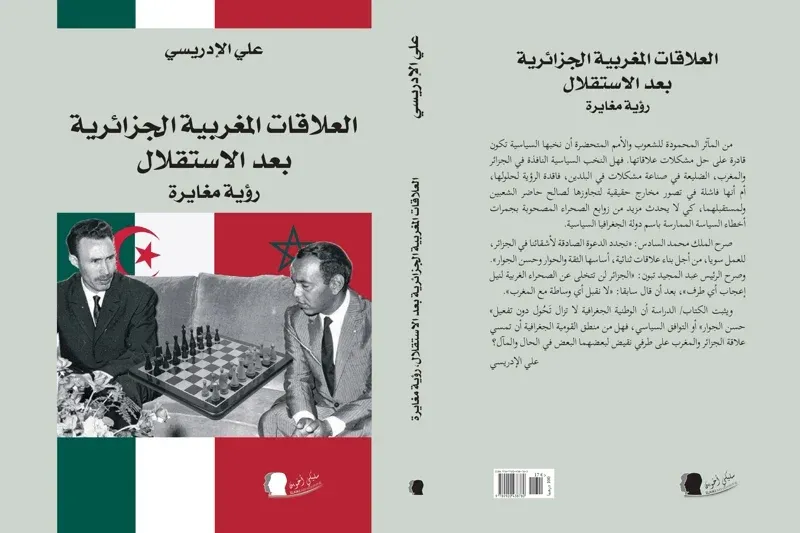
The latest publication by historian Ali Idrissi delves into the intricate dynamics of Moroccan-Algerian relations following their respective independence movements, offering a fresh perspective through a release by Siliki Ikhwan Publishing House. Idrissi emphasizes the importance of political elites in resolving the issues afflicting the two nations. He poses a thought-provoking question: Are the political leaders in Algeria and Morocco, who have historically been embroiled in creating conflicts, incapable of envisioning solutions for their mutual challenges? Or are they simply failing to conceive genuine pathways to overcome these issues for the betterment of both nations and their peoples?
In his book, Idrissi cites a statement from King Mohammed VI, who reiterated the call for cooperation between Algeria and Morocco, advocating for a relationship grounded in trust, dialogue, and good neighborliness. This stands in stark contrast to President Abdelmadjid Tebboune's declaration that Algeria would not relinquish its stance on Western Sahara to appease any party, further complicating the diplomatic landscape. The study highlights the persistent challenge of geographical nationalism, which impedes the realization of amicable relations and political consensus between the two countries. Idrissi questions whether it is reasonable to view Algeria and Morocco as diametrically opposed entities in both their current and future trajectories.
Ali Idrissi is a distinguished Moroccan thinker specializing in political thought, with a teaching background that includes universities in Algeria and Rabat. His research focuses on themes such as the history of foreign colonialism in the Maghreb, political independence, and the resistance led by figures like Mohammed ben Abd al-Karim al-Khattabi.
As reported by hespress.com.