
In Morocco, a staggering thirty-five percent of youth experience cyberbullying, yet access to specialized mental health care remains severely limited. The country has a mere 0.4 mental health professionals per 1,000 inhabitants, in stark contrast to Quebec, which boasts 120,000 practitioners for its 9 million residents. This alarming situation has prompted David Côté-Dion, a lecturer in psychoeducation at the University of Montreal, to take action.
To tackle the pressing mental health needs of young people, Côté-Dion contributed to the establishment of the Transatlantic Support Project for Transformation through Attachment, Coaching, and Humanity (ATTACH). This initiative was launched in partnership with the non-governmental organization Tibu Africa, the Centre des ils et des elles de Varennes, and the University Institute for Youth in Difficulty. The project brought together 30 psychoeducation students from UdeM who traveled to Morocco from May 4 to May 15, along with 30 Moroccan sports facilitators.
Together, they engaged with over 1,200 students across 15 schools in five Moroccan cities—Casablanca, Mohammedia, Kenitra, Béni Mellal, and Sidi Kacem—to address youth mental health issues by blending sports activities with psychosocial interventions.
Creating Safe Spaces Through Play
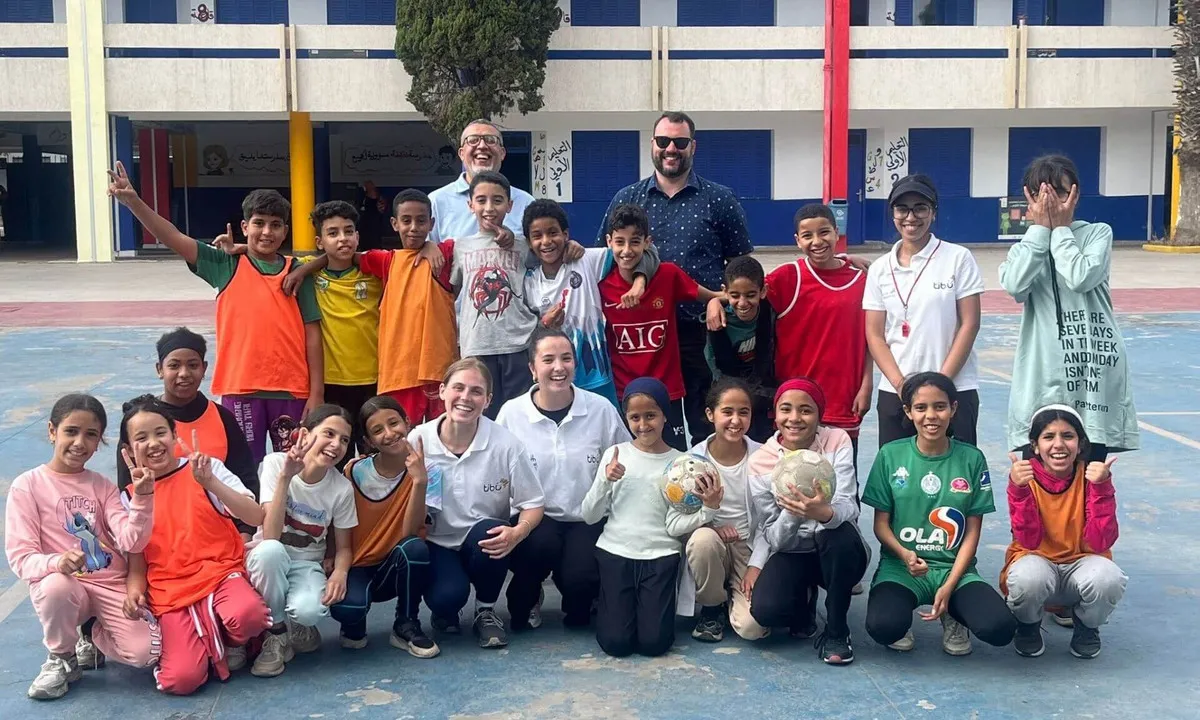
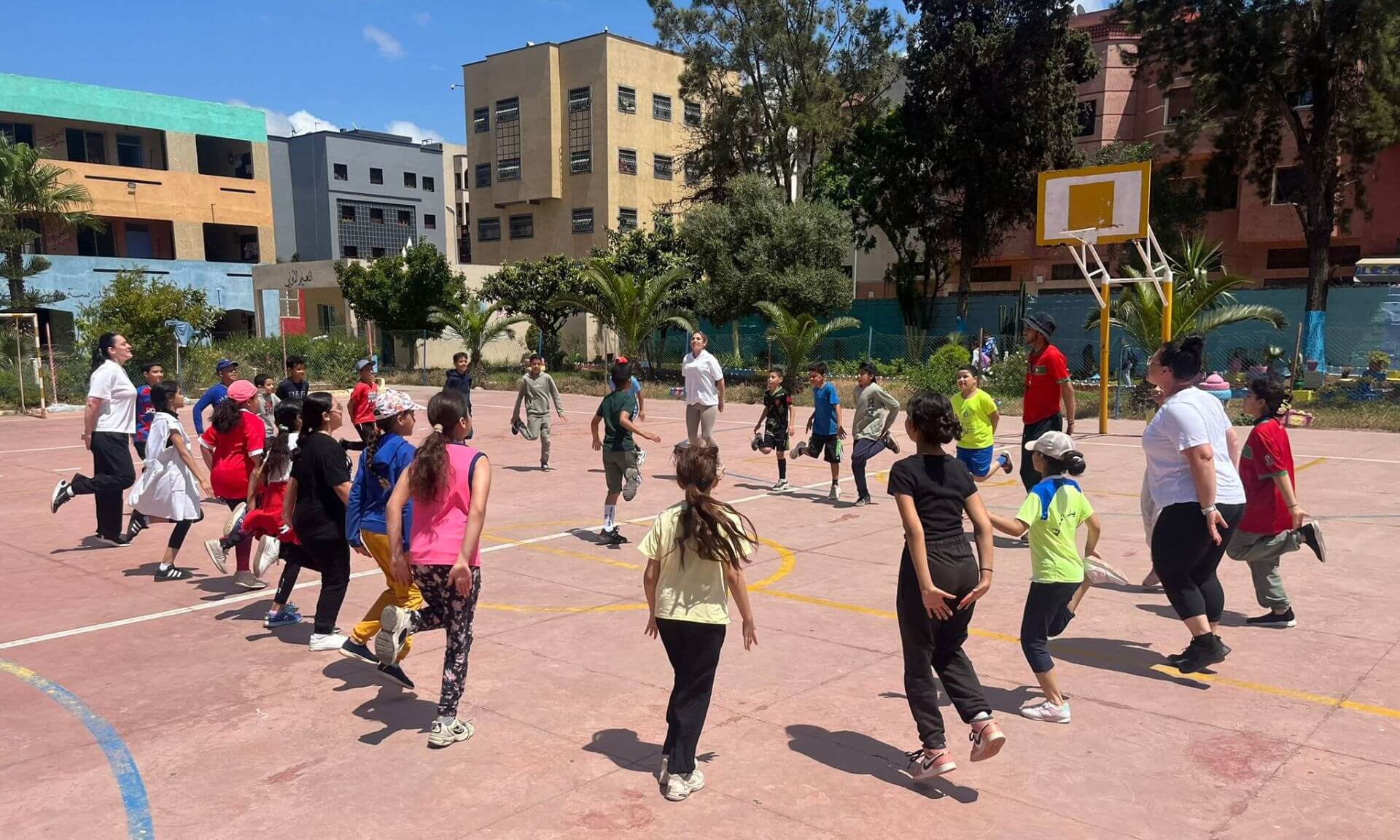
One of the most notable observations from the activities was the children's appreciation for playing with adults. "Normally, children and adults are separated, and the former do not engage with the latter," Côté-Dion pointed out. The children expressed joy in being able to confide in the adults leading the activities, which resonated with the attachment theory emphasizing the importance of secure relationships. Play became a vehicle for fostering a new dynamic between adults and children, where adults became play partners, allowing children to feel heard and valued.
The children also thrived in an environment where conflicts were resolved amicably and activities were equitable between boys and girls. “For us, this was a crucial psychoeducational element: creating safe environments for youth and ensuring they feel comfortable,” the researcher noted. The activities also addressed practical issues related to well-being. In several schools, sports facilities were inadequate, with activities often taking place outdoors in extreme heat without shaded areas. "Under the sun, on large concrete slabs, temperatures exceeded 40°C, and the children wore long clothing without hats," Côté-Dion recounted. Consequently, topics such as appropriate clothing, wearing hats, and hydration became focal points of intervention. "We observed a noticeable change throughout the week in the number of young people carrying water bottles," he added.
Playing creates a safe space.
Photo: Alexandre Baril
Using Games to Discuss Emotions and Equality
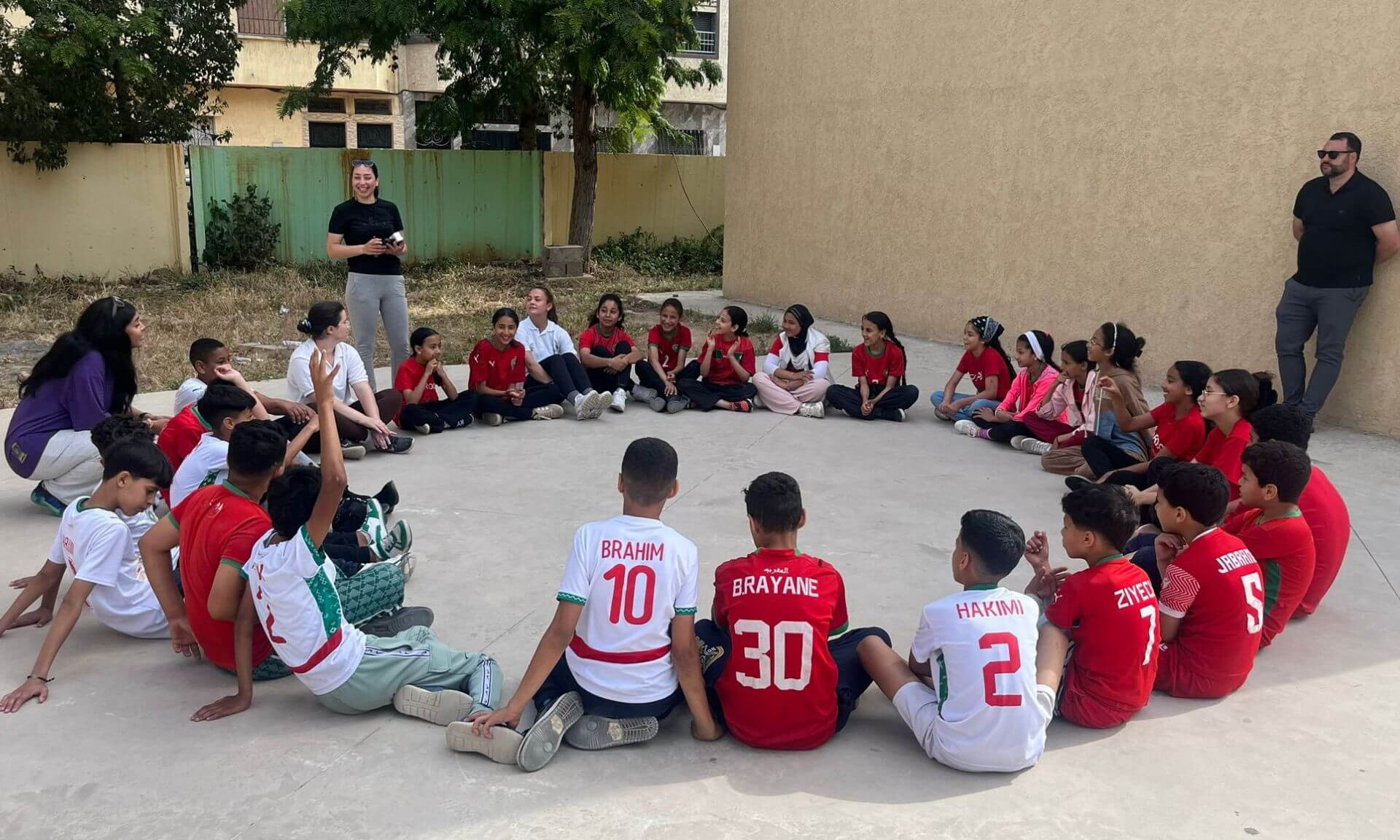
The activities were intentionally designed to evoke experiences that could later be analyzed with the youth. “In psychoeducation, the activity serves as an intervention tool that allows young people to experience a situation and then reflect on it together,” explained Côté-Dion. To challenge gender stereotypes, facilitators adapted the rules of certain games: “For instance, in tag, touching a girl was worth three points, while touching a boy was worth one point. This adjustment allowed girls to reclaim a role and see themselves as competent,” the lecturer noted. This approach highlighted female leadership and helped boys recognize that collaboration with girls was key to victory.
As a result, discussions about conflicts, competition, and acknowledgment of efforts became possible. “We aimed to normalize emotions, showing that expressing fear is not threatening; it’s a natural aspect of life,” Côté-Dion emphasized.
The team also recognized the significance of inclusion. In some schools, students encountered children with disabilities or cognitive and behavioral differences who were often marginalized by their peers. At times, students would request that the facilitators exclude these children from activities. The team chose to adapt the games to ensure these young individuals could participate. “We would engage with them and include them in the play,” stated the researcher. Children with visual or auditory impairments, learning difficulties, or characteristics associated with autism spectrum disorders were able to take part in the activities, showcasing the potential of sports to create an inclusive space where everyone can contribute, regardless of physical or cognitive abilities.
Sports create a space for everyone.
Photo: Alexandre Baril
The experience was equally transformative for the future psychoeducators from UdeM. Prior to their departure, they underwent training in intercultural intervention and the Moroccan context. However, they soon discovered that the concepts learned in Quebec did not always translate seamlessly into a different cultural setting. Language proved to be an initial challenge, as, despite French being spoken in Morocco, the Quebec accent and varying levels of education sometimes complicated communication. Moroccan students often served as linguistic mediators.
Moreover, the contrasts between urban and rural settings were stark. Activities took place in large schools in Casablanca as well as in smaller institutions in towns like Béni Mellal and Sidi Kacem. For Côté-Dion, this immersive experience allowed future psychoeducators to enhance their adaptability and develop their capacity for “decentering,” which refers to the ability to step back from one’s cultural references. This journey also solidified a core competency in psychoeducation: using activity as a means of intervention.
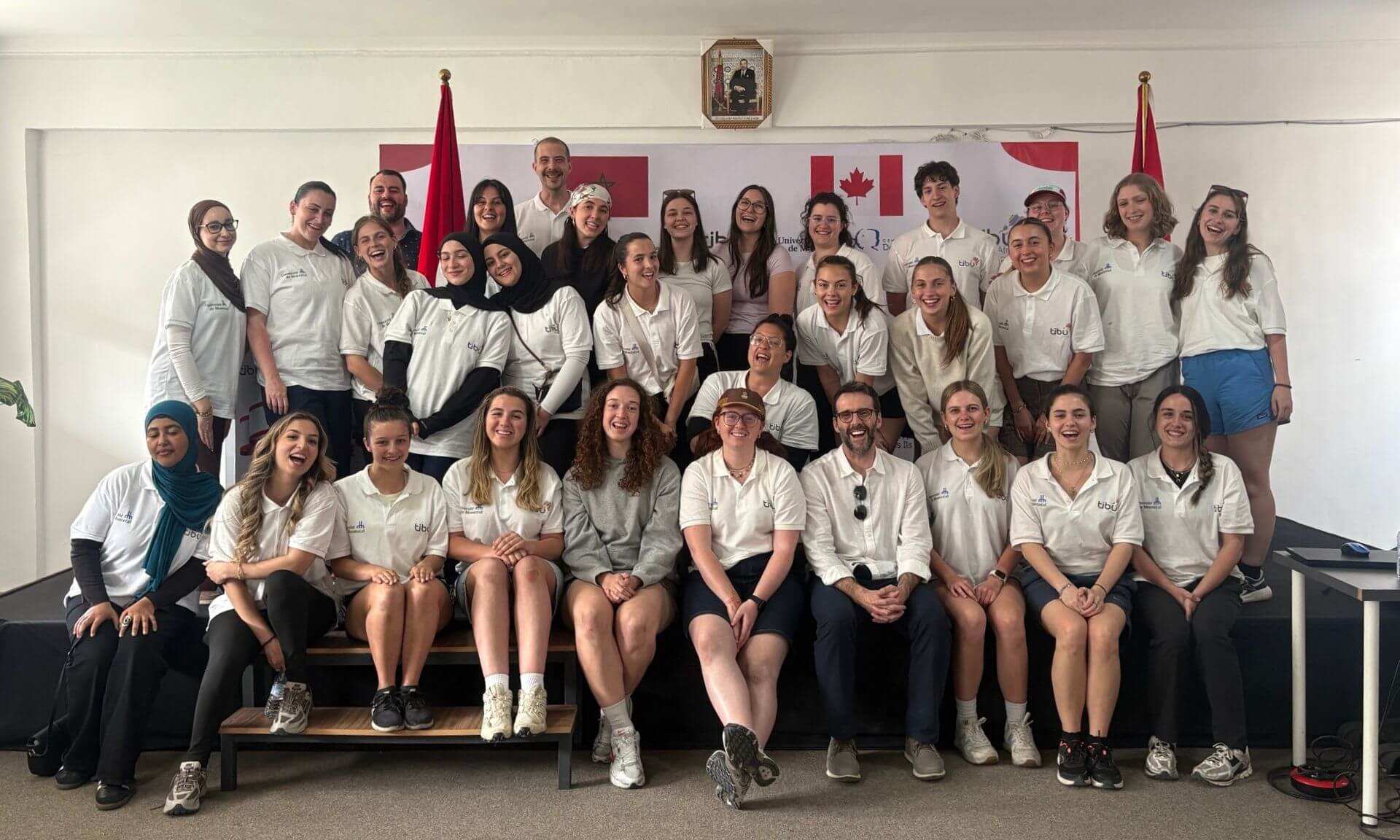
Thirty psychoeducation students from UdeM traveled to Morocco.
Photo: Alexandre Baril
Months after the summer school, the impacts of the project continue to resonate. Many of the Moroccan facilitators maintain contact with the Montreal team, seeking guidance on integrating psychoeducation and attachment concepts into their activities. A key aspect of the next phase will involve better supporting facilitators and teachers through this transition. The experience has also sparked interest beyond Morocco, with discussions underway with partners in Gabon, Senegal, and France who are eager to explore the approach central to the ATTACH project. For the team, this international openness underscores the potential of an approach that intertwines sports, education, and mental health.
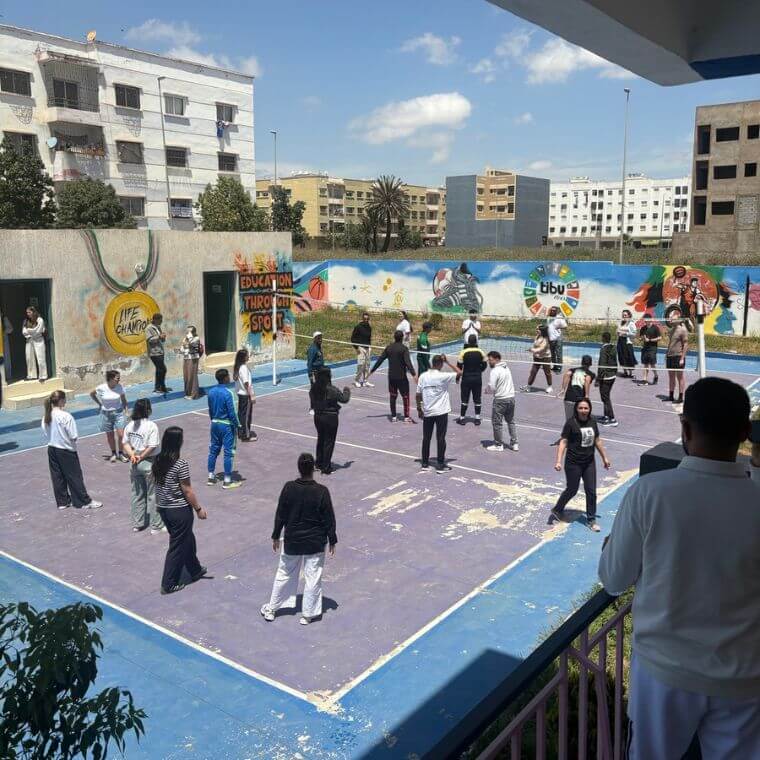
Summer school in psychoeducation in Morocco.
Photo: Alexandre Baril
As reported by nouvelles.umontreal.ca.