
Rising Alarm Over Pesticide Use in Morocco
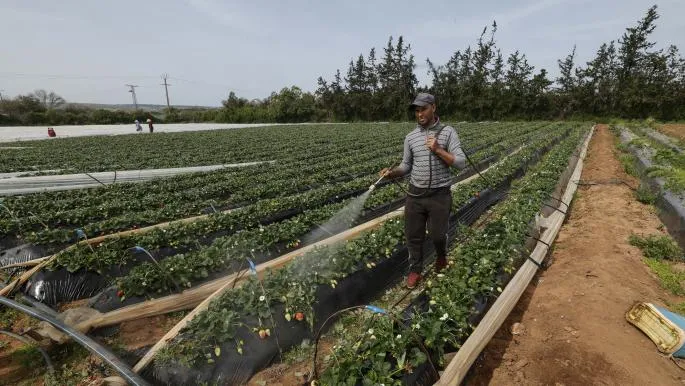
The use of agricultural pesticides in Morocco has increasingly raised alarm among environmentalists, revealing profound implications for both ecological integrity and public health. A recent study conducted by Moulay Ismail University in Meknes, in collaboration with Belgium's KU Leuven, unveils alarming statistics regarding farmers' knowledge and handling of pesticides. The findings indicate that a staggering 86% of farmers surveyed were unable to recall the names of the pesticides they use, while 74% exhibited low educational levels, which significantly hampers their understanding of safety practices. Only about 33.3% of respondents demonstrated a solid grasp of safety measures, underscoring the gaps in technical training within the sector.
Challenges in Regulatory Oversight
The Moroccan pesticide market is heavily dominated by the private sector, which controls approximately 90% of the market share. Alarmingly, around 15% of the pesticides available on the market are unregistered, raising serious concerns about their safety and efficacy. The National Office of Food Safety has taken steps to withdraw over 400 pesticide products from circulation; however, many banned substances remain readily available due to their low cost, posing risks to both consumers and the environment. Experts emphasize the need for enhanced agricultural guidance and increased public awareness regarding pesticide use, advocating for environmentally friendly alternatives. Furthermore, the Court of Auditors has stressed the critical importance of monitoring pesticide application to ensure consumer safety and protect public health.
As reported by alaraby.co.uk.