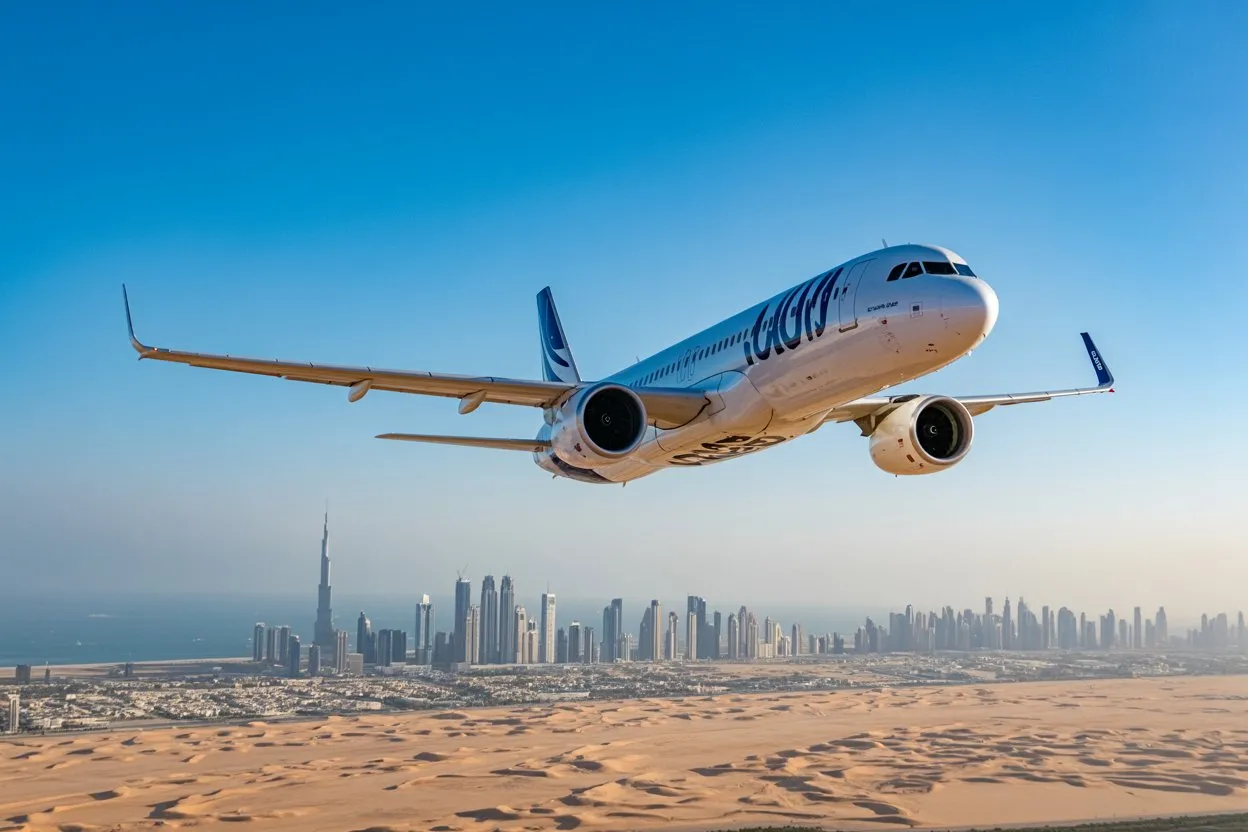
Air Arabia, recognized as the leading low-cost airline in the UAE, has officially resumed flights to an impressive 49 destinations, effectively reconnecting travelers from Sharjah, Abu Dhabi, and Ras Al Khaimah to significant cities around the globe. With the initiative beginning with popular routes such as Cairo, Beirut, Karachi, Moscow, Amman, Lahore, and Casablanca, the airline's expanded services are poised to enhance international connectivity, stimulate tourism, and support the UAE's broader economic recovery. Air Arabia’s commitment to affordable pricing will offer passengers reliable travel options as the world gradually moves past pandemic-related restrictions.
The restart of these services signifies a robust comeback for the airline as it adeptly navigates through the challenges posed by the global travel recovery. The expanded route network not only serves as a lifeline for the UAE’s tourism sector, which is on the brink of revival, but also plays a critical role in the overarching economic recovery of the Emirates. With the reopening of these routes, Air Arabia is strategically positioned to meet the surging demand for air travel, making it a favored choice for millions of passengers.
Significance of Air Arabia’s Flight Resumption
The return of Air Arabia’s flights to 49 destinations represents a pivotal advancement within the UAE’s aviation landscape. Given that travel and tourism are vital to the country's economy, this expansion aligns seamlessly with the UAE's broader strategy aimed at bolstering international connectivity and promoting tourism, especially in the context of post-pandemic recovery. Prior to the pandemic, the UAE served as a global hub for business and tourism, strategically located between Europe, Asia, and Africa, making it an ideal transit point for international travelers. As restrictions are lifted and the world edges towards normalcy, airlines like Air Arabia are crucial in rekindling connections between countries and enhancing the UAE’s stature on the global stage.
Impact on the UAE's Tourism and Economic Landscape
The revival of Air Arabia’s flights to 49 destinations from Sharjah, Abu Dhabi, and Ras Al Khaimah airports comes at a particularly opportune moment for the UAE’s tourism sector. The pandemic resulted in a significant downturn in global tourism, and as the world begins to recover, the UAE is keen on re-establishing itself as a premier global tourism destination. The UAE’s strategic position as a crossroads for air travel has solidified its importance as a vital transit hub worldwide. The resumption of Air Arabia’s services will further strengthen this position, especially as international travel gradually rebounds. The airline's affordable and efficient flights are essential for connecting passengers between the UAE and key cities across Europe, Asia, the Middle East, and Africa.
Furthermore, the expansion of Air Arabia’s operations is expected to significantly bolster the UAE’s economy, generating thousands of jobs across various sectors. As airlines grow, the demand for ground services, aircraft maintenance, airport personnel, and tourism-related services is likely to surge, bringing substantial economic benefits, particularly to the northern regions of the UAE. The tourism industry will greatly benefit from the airline's broadened flight options, as increased accessibility encourages international tourists and business travelers to visit the UAE, thereby enhancing the hospitality sector, local attractions, and retail markets.
For the safety and well-being of passengers, Air Arabia has implemented rigorous health and safety protocols in response to ongoing global health concerns. These measures include mandatory face masks, regular aircraft sanitization, social distancing in airports, and contactless check-in options to minimize physical interaction. The airline has also upgraded air filtration systems on its aircraft to ensure that the air quality onboard is continuously filtered, reinforcing its commitment to safe travel in a post-pandemic environment.
Looking ahead, Air Arabia is set on further expanding its network to include more destinations in the coming years, particularly focusing on emerging markets in Africa and Asia. This expansion strategy aligns with the airline's objective to tap into new travel markets and address the growing demand for cost-effective air travel. Additionally, Air Arabia plans to enhance its fleet with modern aircraft to meet the increasing travel demand, aiming to maintain low-cost flights while minimizing its carbon footprint, thus contributing to the UAE’s sustainability goals.
In summary, the resumption of Air Arabia’s flights to 49 destinations signifies a crucial milestone in the recovery and growth of the UAE’s aviation and tourism sectors. As the airline re-establishes connections between the UAE and the world, it plays an integral role in revitalizing the country’s tourism industry, promoting business travel, and driving economic recovery. Air Arabia’s commitment to providing low-cost flights will continue to be a vital aspect of the UAE’s aviation sector, helping to position the country as a global hub for travel and commerce. With its expanding route network, enhanced health measures, and dedication to sustainability, Air Arabia is poised to significantly shape the future of air travel for both passengers and businesses alike.
As reported by travelandtourworld.com.