
Algeria's Advancements in Military Aviation
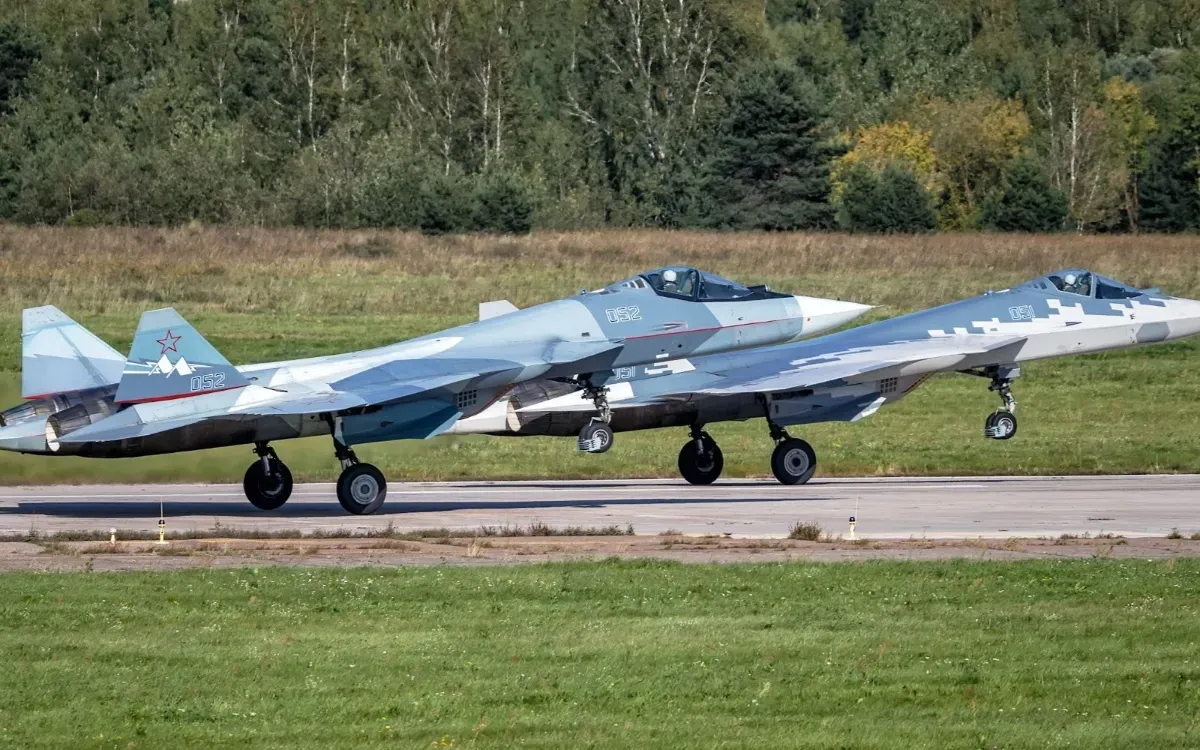
Algeria appears to have gained a technological advantage over Morocco in the competitive arena of fighter jets, particularly with the reported arrival of its first Russian Su-57 aircraft. This development stands in stark contrast to Morocco's ongoing discussions, which have yet to yield concrete results regarding its acquisition of the American F-35. The International Institute for Strategic Studies (IISS) has highlighted these dynamics, suggesting that Algeria may have achieved a notable technological edge in recent months, following reports of the Sukhoi Su-57 Felon stealth fighters being stationed within its borders.
If the operational status of these jets is confirmed, Algeria would become the first African nation to operate a fifth-generation combat aircraft, marking a significant milestone in its military capabilities. The choice of the Su-57 is a strategic element of Algeria's accelerated military aviation modernization, which has predominantly relied on Russian equipment, although Chinese suppliers are increasingly making their presence felt in the market.
Morocco's Response and Future Prospects
In light of these developments, Morocco has sought to bolster its own military capabilities through partnerships with the United States. The IISS notes that knowledge of Algeria's Su-57 acquisition plans prompted Morocco to initiate discussions with Washington as early as 2021 regarding a potential purchase of the F-35. However, five years later, the British institute reports that the progress of these negotiations has been less advanced than recent media speculations might suggest, indicating that there has been "little concrete progress" in these talks.
The F-35 represents a significant technological leap for the Royal Moroccan Air Force, yet its acquisition remains uncertain at this point. Meanwhile, Morocco continues to modernize its military capabilities with a range of American and Western equipment. Additionally, Morocco finalized a deal in 2024 to acquire 30 second-hand Mirage 2000-9 jets from the United Arab Emirates, which was intended as a temporary solution until more advanced systems could be secured; however, the transfer has been delayed following the escalation of tensions between the United States and Iran.
This assessment from the IISS contrasts with other recent analyses that suggested Morocco maintains a strategic advantage due to its upgraded F-16s in comparison to Algeria's Su-57s. Nevertheless, the advantages that Algeria currently holds may not be sustainable in the long term. The procurement of the Su-57 could provoke a reaction from the United States under the CAATSA (Countering America's Adversaries Through Sanctions Act), which allows Washington to impose sanctions on countries engaging in significant transactions with the Russian defense sector.
Moreover, Algeria is beginning to face budgetary constraints, with military expenditures projected to decrease to $24.5 billion by 2026, marking a real decline of approximately 10% when adjusted for inflation. In contrast, Morocco is expected to allocate a record budget of around $7.87 billion for its military. Although Algeria currently enjoys a considerable budgetary lead, the IISS suggests that economic factors may gradually shift the balance in favor of Morocco, allowing Rabat to continue incrementally increasing its military spending, while Algeria may struggle to sustain its current levels of military investment.
In the aerial domain, Algeria may currently hold the upper hand with the introduction of the Su-57. However, the competition between these two nations is far from over, as Morocco's response will heavily depend on the outcomes of its discussions with Washington regarding the F-35 and other decisions Rabat will make to renew its combat fleet.
As reported by bladi.net.