
Amlou: The Quintessential Dish of Souss during Ramadan
Amlou is a traditional dish that, while simple in its ingredients, boasts profound nutritional value and cultural significance. Its prominence notably increases during the month of Ramadan, becoming a staple on the iftar table for many families in the Souss region. This beloved dish is not only a source of energy for those observing the fast but also symbolizes hospitality and generosity among the people of Souss, thus serving as a vital component of the region's cultural and culinary identity.
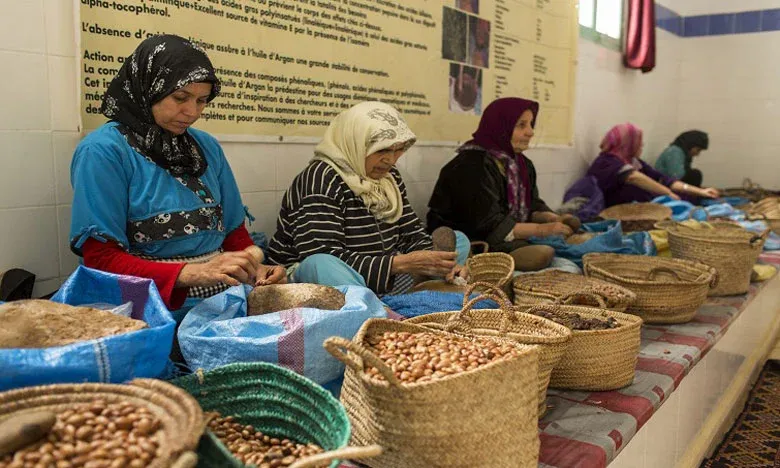
This authentic Amazigh spread is primarily made from a traditional blend of three key ingredients: roasted and ground almonds, argan oil, and high-quality honey. Khadija Oubla, the president of the women's cooperative "Green Farms," explained that the preparation of Amlou follows a time-honored method passed down through generations in the Souss region, relying heavily on natural ingredients sourced from the local environment.
The preparation process begins with carefully selecting and cleaning the almonds to ensure their quality and purity. They are then roasted over low heat until they achieve a golden hue and a distinctive flavor. Once cooled, the almonds are ground meticulously using either traditional or modern mills until they transform into a smooth and homogeneous paste. The next phase involves the gradual incorporation of argan oil into the ground almonds while stirring continuously to create a creamy, cohesive mixture. Finally, natural honey is added in measured amounts according to personal taste, and all ingredients are mixed thoroughly to yield a rich, flavorful paste.
Amlou is celebrated for its high nutritional value, as it combines the protein and vitamin-rich benefits of almonds with the nutritious properties of argan oil, known for its antioxidants and health benefits, alongside natural honey, which serves as an important source of energy. During the holy month, Amlou is typically served with traditional bread (Tafarnout), msemen, or baghrir, and it is a common practice among the people of Souss to enjoy it as one of the first dishes consumed after breaking the fast with dates. Its healthy fats and natural sugars provide the body with necessary energy post-fasting.
This delightful spread is favored by both children and adults alike, not only for its exquisite taste but also for its nutritional richness. Additionally, Amlou is closely tied to tourism and trade in the Souss-Massa region, evolving from a simple home-cooked dish to a local product that stimulates the economy and promotes the rich cultural heritage of Moroccan Souss.
Amlou's versatility extends beyond being a mere accompaniment to bread; it is also used in various ways during Ramadan. Occasionally, it serves as a filling for traditional pastries or is offered to guests alongside tea during Ramadan evenings, reflecting the cultural values of generosity and hospitality prevalent in Souss. In many villages and homes, it is presented to visitors as a sign of welcome and respect, exemplifying the richness of local cuisine, particularly due to its association with argan oil, a hallmark of the region and Morocco.
More than just a traditional dish on the tables of Souss, Amlou symbolizes authenticity and the continuation of deeply rooted customs in local culture. Numerous anecdotes in the region suggest that Amlou has its origins in centuries-old Amazigh culinary practices, traditionally prepared with locally available natural ingredients. Historically, this dish was linked to the lives of farmers and shepherds, providing nourishing sustenance that was easy to preserve for extended periods, making it an essential companion on journeys and workdays in the fields and mountains.
The argan tree, one of the most iconic natural symbols of southern Morocco, has played a crucial role in popularizing this dish, as argan oil serves as a defining ingredient that distinguishes Amlou from similar foods around the world, such as peanut butter. Over time, this simple blend has become a part of the Amazigh culinary heritage, passed down through generations to maintain its significance in Souss households, and in recent years, it has evolved into a nationally and internationally recognized traditional product.
As Ramadan approaches, Amlou's presence peaks, merging the values of hospitality with the pleasure of natural flavors, alongside its association with local products such as argan oil, thereby transcending the boundaries of home cooking to become an essential element in promoting Souss heritage and invigorating tourism and trade in the region.
As reported by agadirinfo.ma.