
Continued Surveillance and Restrictions in Western Sahara
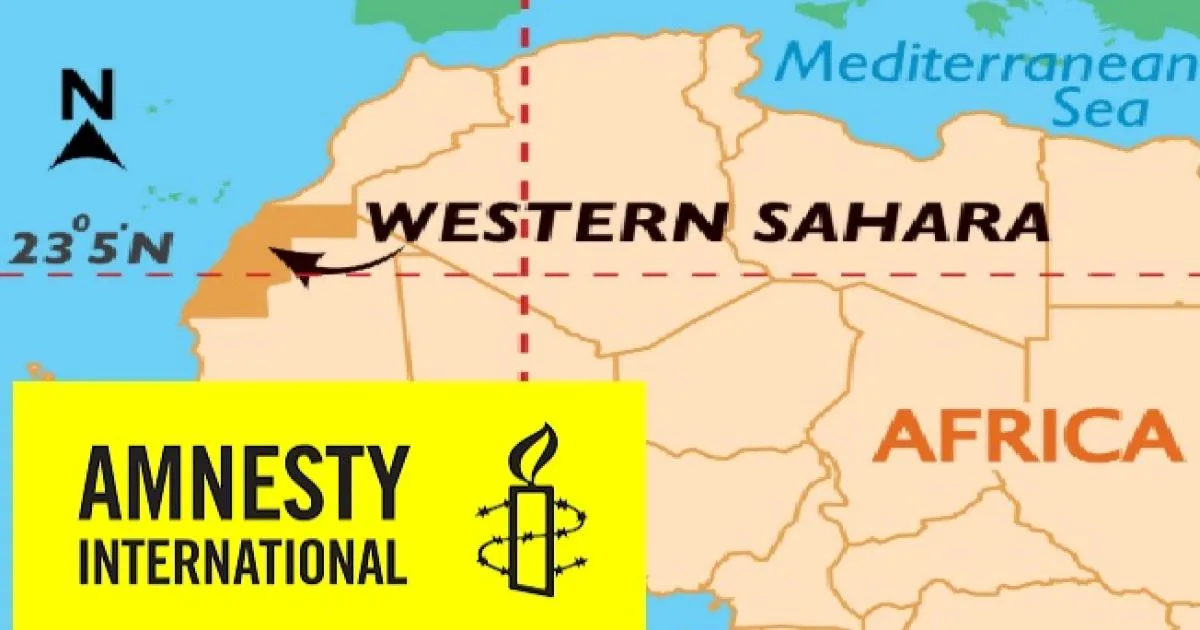
On October 3, 2026, Amnesty International released a report detailing the persistent crackdown on Sahrawi activists and human rights defenders in the occupied regions of Western Sahara. The report highlights the systematic surveillance, arbitrary arrests, and movement restrictions imposed by Moroccan authorities on individuals advocating for the independence and self-determination of the Sahrawi people. Amnesty International has noted that these oppressive tactics include various methods of monitoring peaceful protests and the activists organizing them.
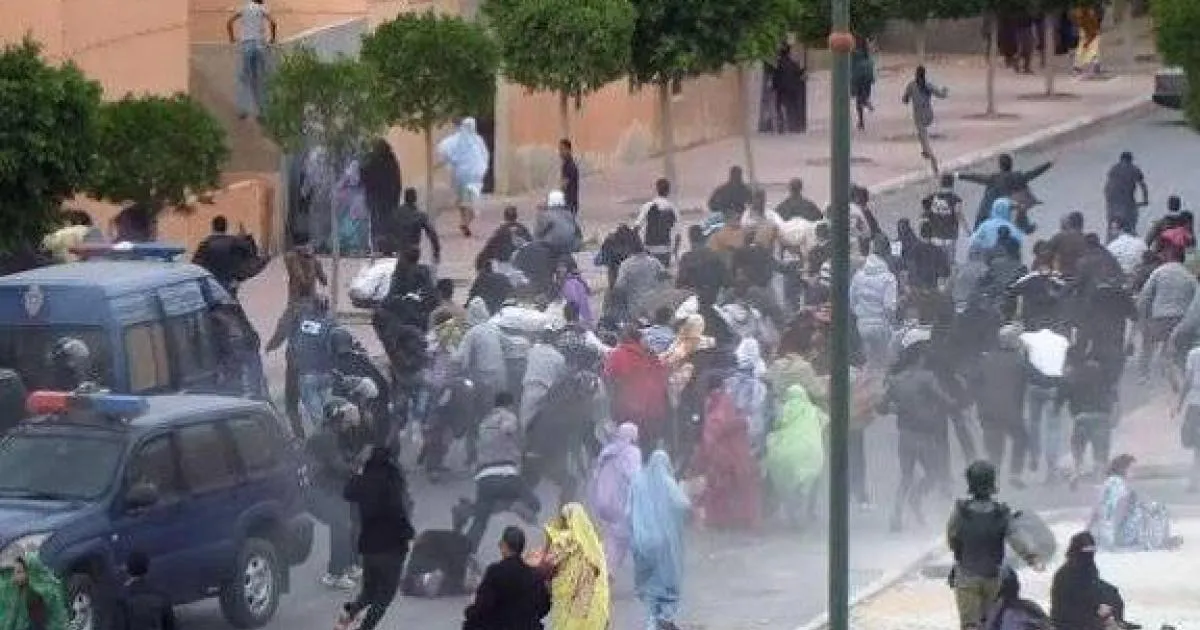
The organization documented instances of Moroccan security forces forcibly dispersing demonstrations in cities like El Aaiun during February and March. These protests, which aimed to assert the Sahrawi people's right to self-determination, were met with aggressive responses from law enforcement. Notably, activists Mahfouda Lefkir and Saleha Boutenkiza were reportedly assaulted by police following their participation in a protest on Smara Street on March 17.
Digital Surveillance and Judicial Harassment
Amnesty's findings indicate that the surveillance tactics employed by Moroccan authorities extend beyond physical monitoring to include digital surveillance and the potential interception of communications. This systematic approach is complemented by judicial harassment and smear campaigns aimed at undermining the work of Sahrawi human rights defenders. Such actions not only curtail the ability of these activists to engage in peaceful advocacy but also create an atmosphere of fear and repression, severely impacting their efforts to promote human rights and justice in the region.
As reported by spsrasd.info.