
Assessing the Tensions Between Morocco and Spain
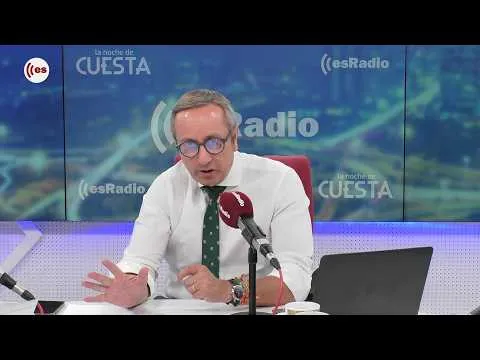
The ongoing tensions between Morocco and Spain have recently come under scrutiny in a compelling discussion featured on esRadio. The program, titled "Tertulia de Cuesta," hosted by Carlos Cuesta alongside analysts Juan Pablo Polvorinos and Alejandro Entrambasaguas, delves into the significant threats posed by Morocco to Spain that, according to the speakers, have been largely ignored by the Spanish Prime Minister, Pedro Sánchez. This analysis highlights the geopolitical complexities in the region, particularly focusing on the implications for Ceuta, a Spanish city located on the northern coast of Africa, which has become a focal point in the strained relations between the two nations.
As the panel discusses the events of September 21, they emphasize that the lack of proper response and recognition from Sánchez's administration could lead to dire consequences for Spain's sovereignty and security. The analysts argue that the challenges posed by Morocco extend beyond mere political posturing, encompassing issues related to immigration, territorial claims, and regional stability. In light of this, the dialogue serves as a critical reminder of the importance of proactive governance in addressing foreign threats and ensuring national security.
Understanding the Historical Context
To fully grasp the current situation, it is essential to consider the historical context of Morocco-Spain relations. Over the years, various incidents have strained their ties, including disputes over territorial waters and immigration policies. The program sheds light on these historical grievances, illustrating how they contribute to the ongoing tensions and the potential for future conflicts. The analysts call for a more robust diplomatic approach from the Spanish government, advocating for measures that not only address current threats but also foster long-term stability in the region.
This in-depth discussion not only highlights the immediate concerns regarding Morocco's aggressive posture towards Spain but also underscores the broader implications for European security. As the conversation unfolds, viewers are encouraged to contemplate the role of leadership in navigating international relations and protecting national interests.
As reported by youtube.com.