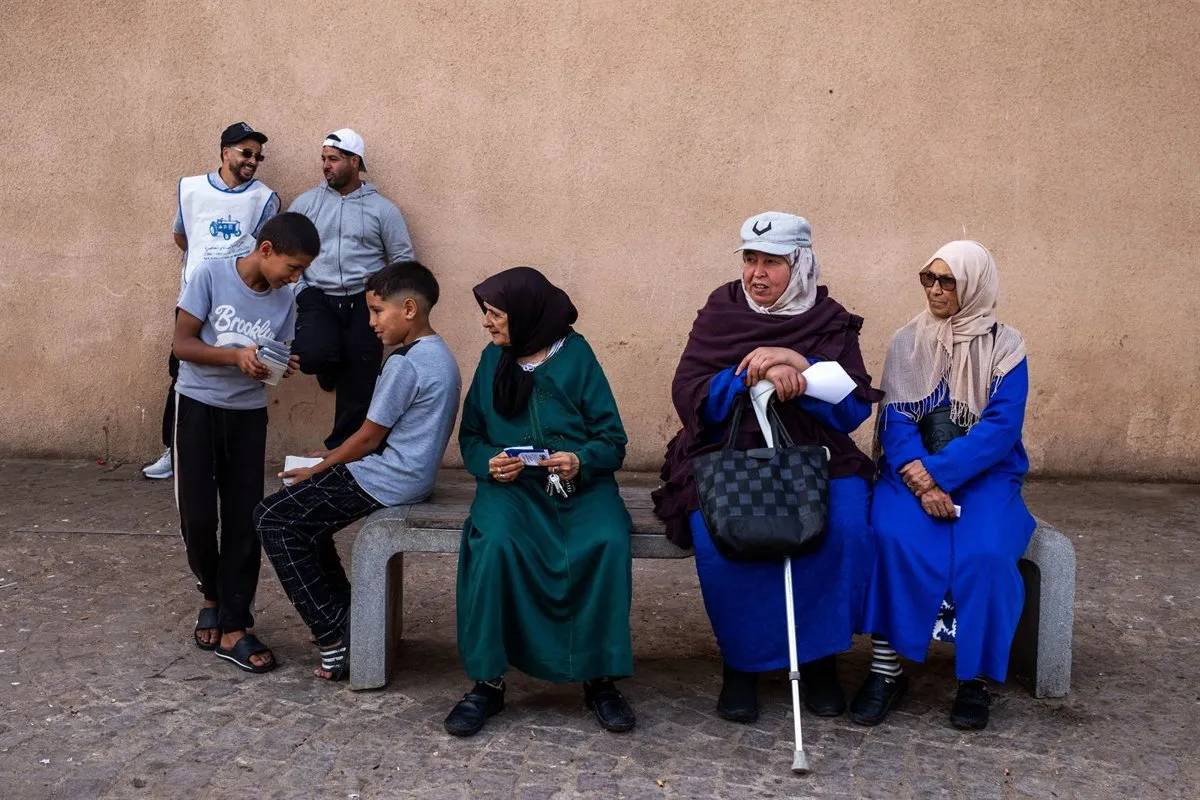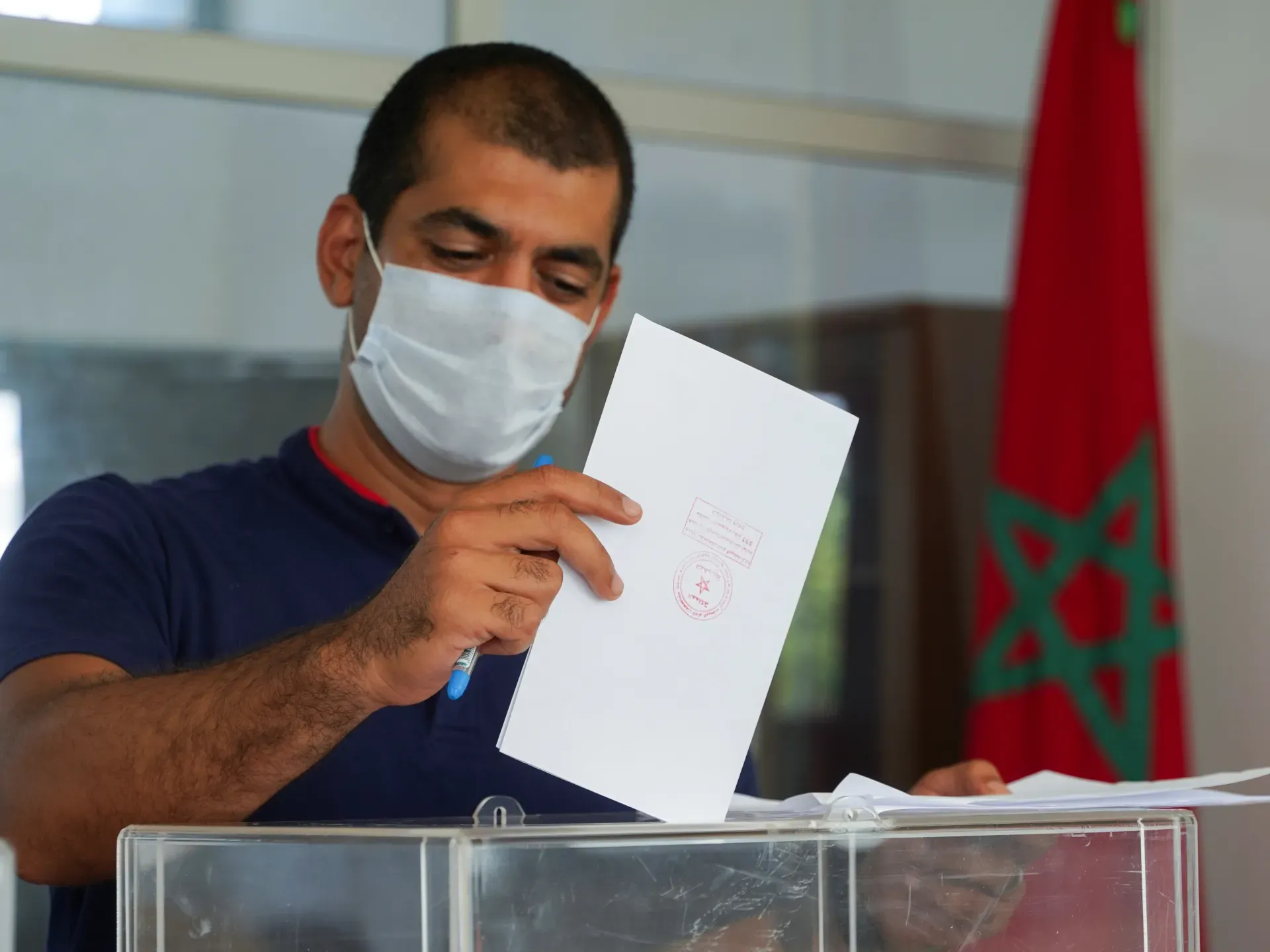

On Wednesday, September 23, 2026, voters in Morocco will express their opinions through the ballot boxes as they participate in the elections for the members of the House of Representatives. This electoral process will lead to the formation of a new composition of the lower house of Parliament and subsequently a new government, headed by a figure from the political party that secures the most votes. This process is in accordance with the provisions of the 2011 Constitution, marking the fourth legislative elections since the events of 2011, 2016, and 2021.
This event, which occurs regularly and smoothly, reflects the kingdom's genuine commitment to political pluralism, the rotation of public management, and democratic choice as fundamental pillars uniting the nation alongside monarchy, Islam, and the territorial integrity of the kingdom.
The current democratic process in Morocco unfolds amidst significant contexts, challenges, and stakes that cast shadows over this event, where Moroccan citizens turn to the ballot boxes once every five years. Notably, the outgoing government has struggled to reduce unemployment rates, which have reached a staggering 13%, contrary to its promises of creating one million jobs.
Key Electoral Stakes
Firstly, it is widely recognized that Morocco has made significant strides toward resolving the longstanding dispute over Western Sahara, bringing the country closer than ever to the practical implementation of the autonomy initiative in its southern regions. This development raises numerous requirements and opens up reformative prospects across various levels. Thus, the current electoral process is likely to be closely linked to the execution of these expected and necessary reforms.
Secondly, in just four years, the world's attention will turn to Morocco, which is set to co-host the 2030 FIFA World Cup alongside Spain and Portugal. This event is not merely seen as a sporting occasion but as a multifaceted economic, social, and democratic window through which the world will recognize the country, its identity, customs, traditions, and historical context, as well as its advancements across all sectors.
Consequently, the forthcoming government will be tasked with adequately preparing for this significant event, ensuring that the major structural projects initiated by the kingdom (such as airports, ports, highways, high-speed trains, renewable energy initiatives, water desalination plants, and sectorial strategies, including the automotive and aviation industries) are creatively integrated with a new generation of comprehensive territorial projects. This approach aims to ensure that the developmental benefits of hosting the World Cup are universally shared across social, demographic, and regional dimensions.
Thirdly, the ability of the anticipated new majority, from both the parliamentary and governmental perspectives, to build upon the substantial achievements made by Morocco over the last quarter-century, particularly in economic, social, and democratic domains, is a crucial aspect. These achievements stem from the country’s strong and consistent strategic orientations, which have positioned Morocco as an emerging nation with an increasingly prominent status on regional, continental, and global levels.
Fourthly, there is a pressing need for a shift in certain public policies adopted by the outgoing government, especially given the failure of these policies to meet the urgent needs and expectations expressed by Moroccan households. This is particularly pertinent regarding social issues, including health, education, and employment, alongside governance and the critical topic of regional equity, aiming to overcome the disparities between various regions of Morocco and ensure that the benefits of growth are equitably distributed across both urban and rural areas.
Fifthly, the challenge lies in the political competence of the candidates and profiles that will emerge from these elections, particularly concerning their integrity and ability to enhance the quality of leadership within elected institutions at various levels. This is especially relevant to the ethics of political work, which should be exclusively dedicated to serving the public good, free from personal interests and conflicts of interest. This issue has been prominently raised in media, societal, and political discussions regarding the outgoing government.
Despite the outgoing government's success in continuing the legal and regulatory framework related to social protection, it has faced significant criticism for failing to reform pension funds, improve conditions for retirees, implement universal health coverage, or expand unemployment compensation.
Evaluating the Outgoing Government's Impact on Citizens' Lives
In light of all these challenges and stakes, a critical question arises in Moroccan society concerning these legislative elections: "To what extent does the outgoing government deserve the trust of voters once again?" While the ballot boxes will provide an answer after they close on the evening of September 23, it is reasonable to expect that Moroccan voters may cast punitive votes against this government and its three political components, particularly under the heightened political and electoral scrutiny faced by the party leading the outgoing majority, given the significant powers and responsibilities held by the Prime Minister.
Indeed, the outgoing government has operated under challenging conditions and has some positives to its name, including its handling of social dialogue, maintaining fiscal balance, managing water resources during critical drought years, and introducing direct social support for low-income families. However, it must also be acknowledged that it faced genuine opportunities, such as a relative improvement in international markets post-COVID-19, increased remittances from Moroccans abroad, rising tourism revenues, and a substantial increase in tax revenues, partly due to inflation.
Moreover, throughout the past five years, the institutional national opposition has consistently highlighted various issues that serve as evidence of the outgoing majority's failure to optimally utilize the tremendous opportunities available for Morocco to achieve further advancement and progress in democratic, economic, and social realms. Notably, official national institutions have also confirmed, through their reports and studies, several gaps and shortcomings in the performance of the current government.
In conclusion, as Morocco approaches its elections, there is a palpable sense of anticipation regarding how the electorate will respond to the outgoing government’s tenure, particularly in light of the pressing concerns and challenges that remain unresolved.
As reported by aljazeera.net.