
Argan Oil: A Treasure of Morocco
Argan oil, often referred to as "liquid gold," has secured its place as one of Morocco's most cherished products, particularly in the regions of Souss, Guelmim-Oued Noun, and Essaouira. Extracted from the argan tree, an endemic species to Morocco, this oil has been a staple in local cuisine for centuries, embodying a unique artisanal heritage that is distinctly Moroccan. Its rise to fame, however, extends far beyond national borders, as it has garnered appreciation from a diverse clientele, including both Moroccan locals and international tourists, thanks to its distinctive flavor and numerous health benefits.
The increasing global demand for argan oil has elevated its status to that of a highly sought-after commodity. This versatile oil is used not only in cooking but also in cosmetics and traditional medicine, where it is lauded for its positive effects on cardiovascular health, immunity enhancement, and its moisturizing and anti-aging properties. In fact, the price of argan oil can exceed 700 dirhams per liter, placing it among the most prized oils worldwide.
According to Hassan Belfakir, a producer at the Souk El Had market in Agadir, argan oil has successfully made its mark on the international stage. He emphasizes that this quintessential product of the Souss region serves as a vital source of income for thousands of Moroccan families, reinforcing a tradition deeply rooted in local culture. Additionally, he highlights the multifaceted nature of the argan tree, which not only provides oil with a myriad of benefits but also contributes to animal feed.
However, Belfakir warns that the argan tree faces significant environmental challenges, particularly the impacts of climate change, which have led to a decline in production and a reduction in cultivated areas. Nevertheless, recent rainfall in the Souss region has sparked optimism for the tree's regeneration.
The Socio-Economic Pillar Supported by Rural Women
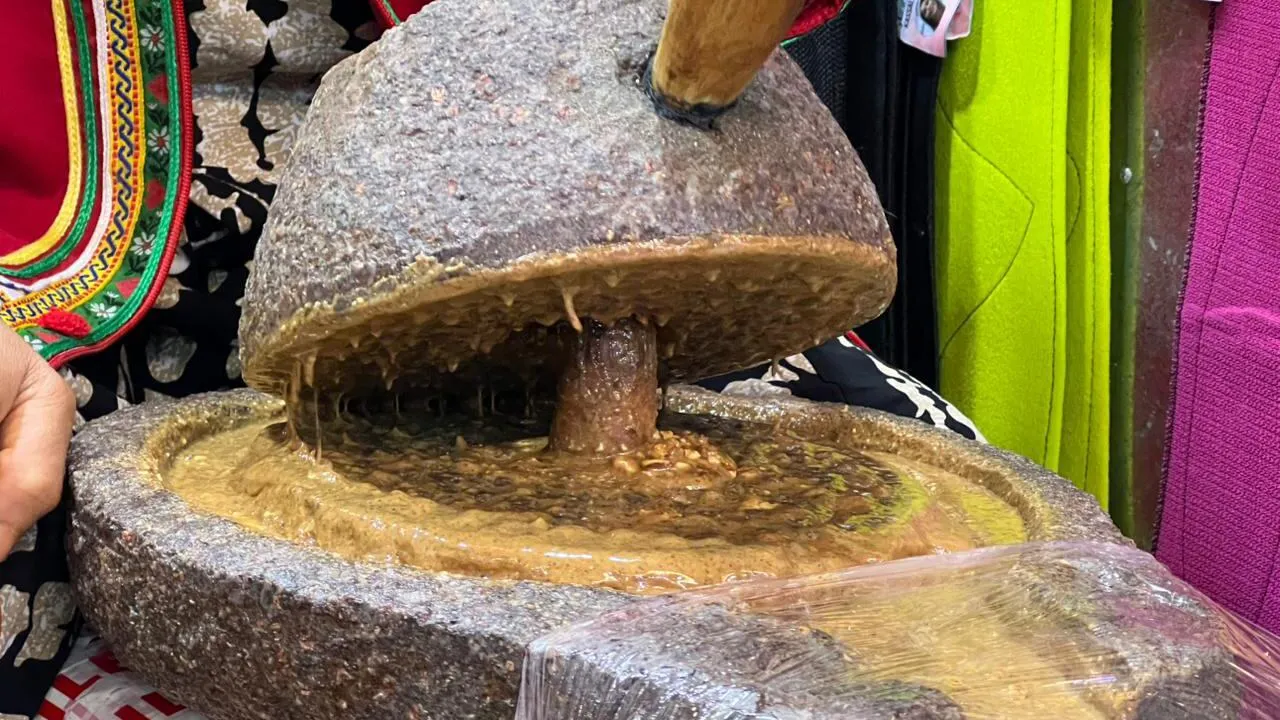
Miloud El Khattab, president of the Association of Pioneers of Aromatic and Medicinal Plants in Morocco, underscores the pivotal role of rural women in the production of argan oil. Traditionally crafted using artisanal methods and stone mills, this labor-intensive process has proven to be a powerful tool in combating poverty and unemployment in rural areas. Over time, the sector has undergone notable modernization with the introduction of machinery to enhance production volumes while maintaining quality standards. This evolution has not only structured the industry but also improved working conditions for cooperatives while preserving the authenticity of the product.
Moreover, improvements in production processes and adherence to health standards have enabled agricultural cooperatives to obtain official certifications. This recognition has bolstered the credibility of argan oil in international markets, where it has now established a solid reputation. El Khattab calls for a collective effort to safeguard the argan tree, which is regarded as a national heritage. Protecting this tree is essential not only for preserving a unique ecosystem but also for sustaining an economic activity that generates jobs and promotes the stability of rural populations, thereby reducing urban migration.
As reported by fr.le360.ma.