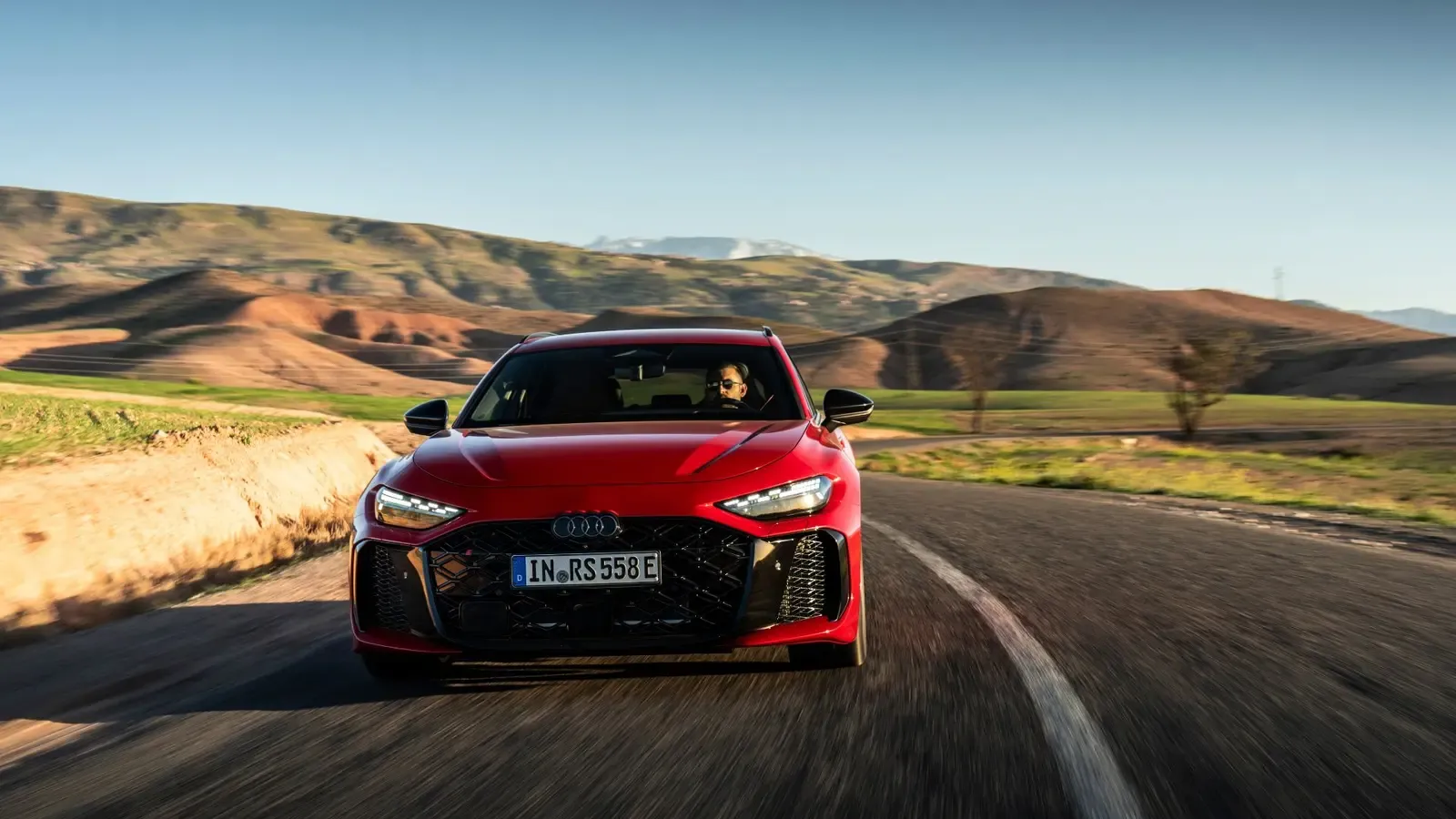

As Audi strives to maintain the allure of combustion engines while simultaneously embarking on its inaugural Formula 1 (F1) campaign, the Ingolstadt-based automaker faces a unique challenge that combines tradition with innovation. In February, amidst the chilly weather of Morocco, the Circuit Moulay El Hassan became the backdrop for a thrilling demonstration of Audi's latest engineering marvel, the RS5 Avant hybrid. Here, amidst the dust from the Agafay Desert and the fading light, the sound of tires protesting against the asphalt echoed, showcasing the raw power and technical prowess that Audi continues to embody.
In recent years, Audi Sport has bid farewell to its iconic V10-powered R8 supercar, while simultaneously introducing an array of high-performance electric vehicles (EVs). Despite the shifting automotive landscape, there remains a robust demand from customers—especially affluent buyers—for powerful combustion vehicles. This duality of interest presents a remarkable opportunity for Audi, as it seeks to harmonize the desires of performance enthusiasts with the evolving regulatory landscape surrounding emissions.
The hybrid technology incorporated into the RS5 is designed to appeal to both camps, catering to those who relish the thrill of combustion while addressing the stringent CO₂ regulations. Audi aims to deliver its most engaging RS models over the next three years, positioning itself as a formidable contender against rivals like AMG and BMW M. It’s clear that Audi is intent on reinforcing its presence in the high-performance sector, while also diving headfirst into the world of F1—a move that has been years in the making.
With a shift in strategy, Audi has redirected its substantial motorsport resources towards F1, a decision rooted in the understanding that the sport captivates a massive global audience, estimated at nearly one billion viewers. This ambitious pivot is led by Rolf Michl, head of Audi Sport, who emphasizes that both selling cars and establishing a formidable presence in motorsport are vital for the brand's longevity. The restructuring of Audi's motorsport division to focus on F1 has allowed for a more streamlined approach, minimizing financial drain while maximizing the output of innovative ideas.
Dr. Gernot Döllner, the global head of Audi, is instrumental in this transformation, leveraging his experience from leading the Porsche 918 Spyder program to reshape Audi’s approach to vehicle development and market relevance. His vision includes adopting a rapid development model inspired by the pace of competition from Chinese manufacturers, which emphasizes speed and efficiency in bringing new models to market.
Döllner's strategy involves dismantling bureaucratic hurdles in favor of agile project teams that can swiftly respond to market demands. While the RS5 may not have fully benefited from this new structure, the upcoming production of the electric Concept C is poised to showcase the efficiency of this approach. As Audi adapts and evolves, it is also keenly aware of the shifting dynamics within the automotive landscape, particularly as competitors from China gain ground.
F1 presents a tantalizing opportunity for Audi to enhance its brand equity and connect with a diverse, younger audience, a demographic that has significantly increased in recent years. The sport's growing popularity, fueled in part by media exposure, provides Audi with a platform to showcase its engineering prowess and engage with both existing and potential customers. Döllner asserts that while immediate victories on the track are important, the broader impact of F1 on brand recognition and customer engagement is what will drive success.
As Audi continues to navigate this complex landscape, the introduction of the RS5 represents more than just a new model; it symbolizes the brand's commitment to innovation, performance, and sustainability. With its hybrid technology allowing for both electric and combustion power, the RS5 stands as a testament to Audi's ability to adapt and thrive in an ever-evolving market.
Ultimately, Audi's journey into F1 is not merely about racing; it's a strategic maneuver to capture the attention of consumers in a competitive automotive market. With an eye on the future and a firm grip on its heritage, Audi is poised to redefine what it means to be a leader in both performance and sustainability, ensuring that the roar of combustion engines continues to resonate for years to come.
As reported by bosshunting.com.au.