
Moroccan Prison Administration Relents to Family Pressure
On October 2, 2026, in the occupied city of El Aaiun, the Moroccan prison authorities have finally allowed the families of Sahrawi political prisoners, who have been engaged in a hunger strike at the Kenitra and Lodayya (Marrakech) prisons, to visit their loved ones. This development comes after a period of nine days during which families faced arbitrary denial of access and were cut off from communication with their relatives. The League for the Protection of Sahrawi Prisoners in Moroccan Jails reported that this concession by the authorities is a direct consequence of the persistent efforts of the families and the growing national and international campaigns advocating for their rights.
Alarming Conditions Faced by Prisoners
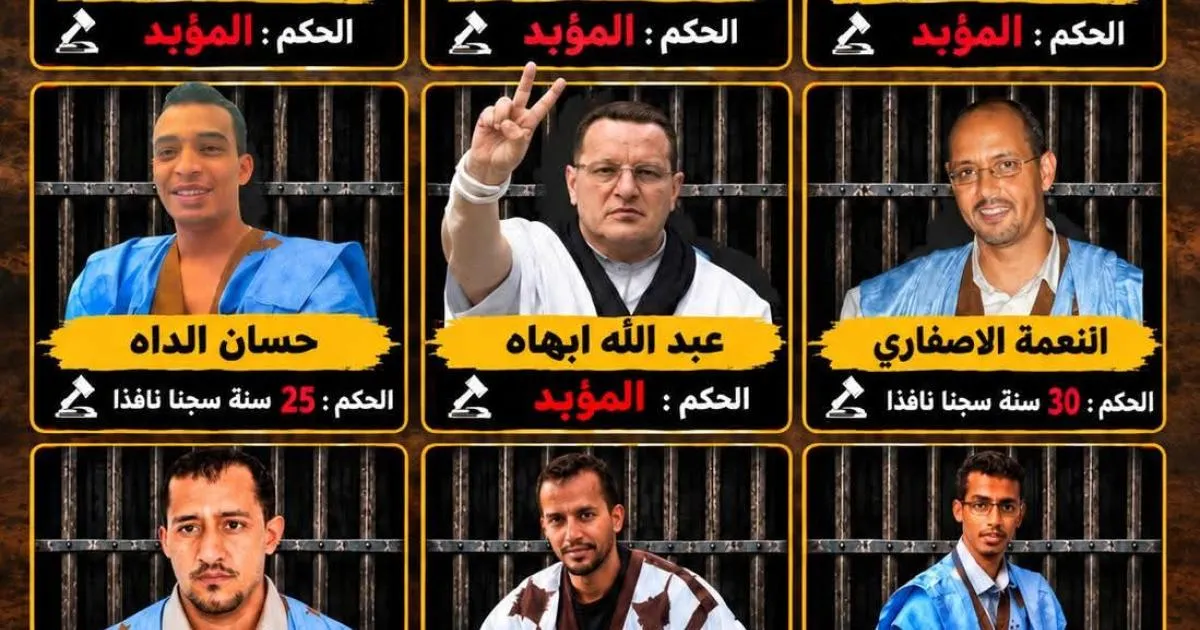
Families of the hunger-striking prisoners, including El Houssine Ezzaoui, Ahmed Sbai, and Ennaama Asfari, have provided harrowing accounts of the dire conditions their relatives are enduring. Reports indicate that these prisoners are subjected to isolation in punitive cells that lack basic necessities for daily living. In addition to this isolation, there have been alarming instances of physical abuse, forced removal of clothes, and a systematic denial of medical care, even for those suffering from chronic illnesses such as heart disease, asthma, and kidney issues, which have been exacerbated by their ongoing hunger strikes.
The League has condemned the Moroccan authorities' retaliatory tactics and systematic torture against the prisoners who are exercising their right to protest through hunger strikes. They have called upon international human rights organizations to intervene with urgency to halt these violations, ensure that immediate medical care is provided, and restore unrestricted contact between the prisoners and their families and legal representatives. This situation underscores the critical need for accountability and human rights protections in the region.
As reported by spsrasd.info.