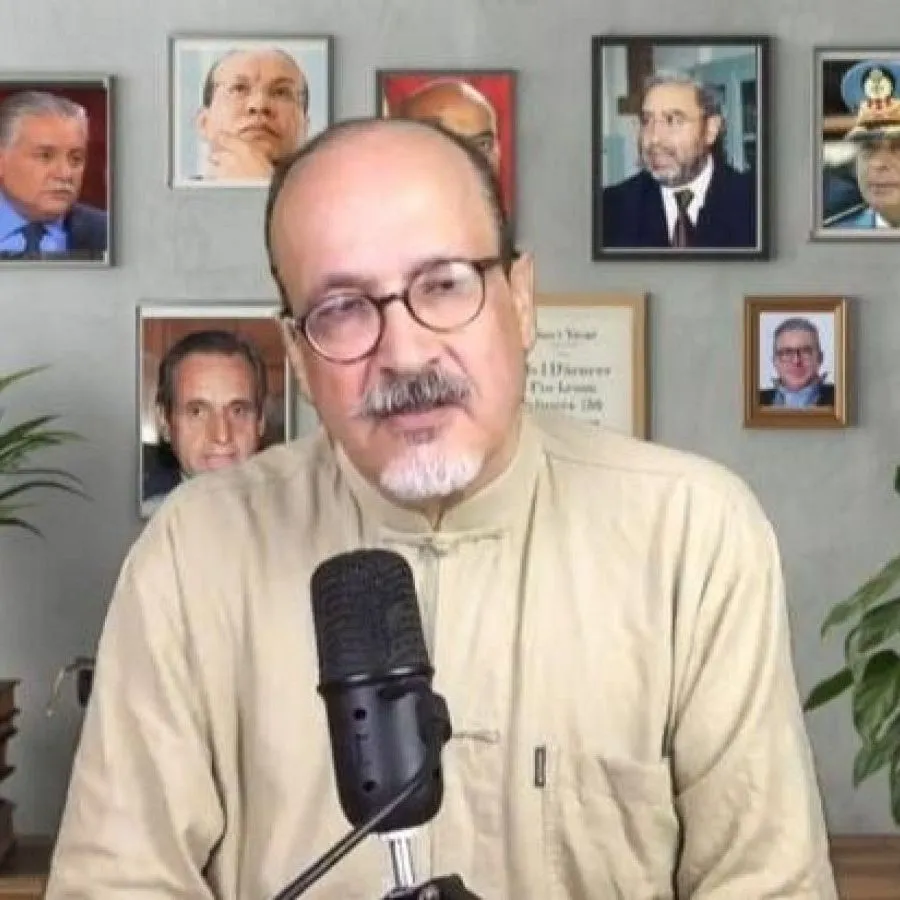
Benkiran's Controversial Statements Spark Political Debate
On August 25, 2026, a wave of controversy erupted following the remarks made by Abdelilah Benkiran, the Secretary-General of Morocco's Justice and Development Party (PJD). During a recent party conference, he requested King Mohammed VI to establish a committee to investigate the events surrounding mass migration to the Spanish enclave of Ceuta. While some critics viewed this as a breach of protocol and a challenge to the royal institution, others argued it was merely a necessary part of the political discourse on the fallout from these events.
Political science professor Abdel Hafid Younsi noted that Benkiran's comments are being weaponized for political vendettas while deepening the discussion around accountability, drawing from a constitutional backdrop that highlights the roles of political parties and the monarchy. Meanwhile, Rashid Lazraq pointed out that Benkiran's request aims to shift the narrative from security management to deeper political and social accountability, emphasizing that the migration issue reflects a crisis of trust and hope among the youth. He called for comprehensive policies that transcend mere security approaches.
On August 15, Benkiran publicly revealed that he had reached out to King Mohammed VI to clarify the events that transpired on July 30, when thousands of migrants crossed into Ceuta. He conveyed his disappointment in not receiving a response yet, emphasizing that understanding these incidents is crucial for national stability. His comments ignited fierce criticism from various observers, who deemed his statements as a "dangerous precedent" that disregarded established institutional norms and a "disrespect" towards the monarchy. Critics insisted that Benkiran should communicate about the king with utmost respect. Conversely, supporters argued that his remarks were a valid entry into the political discussion regarding the implications of the mass migration.
Analyzing Benkiran's Request
In the midst of this political discourse, Benkiran found a platform during a recent PJD meeting in Nador, northeastern Morocco, to respond to his detractors. He clarified that his approach was one of a request rather than an inquiry, stating, "I cannot ask His Majesty the King, as I would not know if he is aware or not. I requested His Majesty to form a committee to investigate this matter, as I believe it poses a risk to the state." He further articulated that the situation on that day was alarming and necessitated clarity. He acknowledged that the king did not respond to him, affirming his respect for the royal office amidst the uproar directed at him. Benkiran remarked on the absurdity of needing guidance on how to communicate with the king, implying that such expectations are unreasonable.
In direct response to his critics, Benkiran reaffirmed his view of the monarchy as a deeply held belief rather than a mere political strategy, highlighting that his conviction is rooted in decades of political engagement. He emphasized that the monarchy represents a sacred relationship, solidified through the allegiance between the king and the Moroccan people.
As discussions surrounding Benkiran's comments continue to unfold within Morocco's political landscape, experts emphasize the importance of addressing the underlying causes of migration that extend beyond immediate geographical boundaries or potential provocations. Lazraq stated that the call for an investigation into the events in Ceuta should not only focus on accountability but also seek to understand the systemic issues leading to youth migration as a collective expression of frustration. He underscored that addressing such matters necessitates a multifaceted approach, encompassing effective policies in employment, education, social justice, and youth integration.
As reported by alaraby.co.uk.