
Transforming the 'Death District' into a Beacon of Hope
In a bold political move, the Istiqlal Party has entered the electoral race for the Rabat-Shala district, led by candidate Abderrazak Driouch. This initiative aims to break a longstanding historical curse associated with this area, often referred to as the "Death District" locally. The party seeks to replicate its recent organizational triumph, having secured the presidency of the Rabat Labor Council for the first time in its history, and aims to transform this electoral endeavor into a new gateway of hope for the residents of the capital.
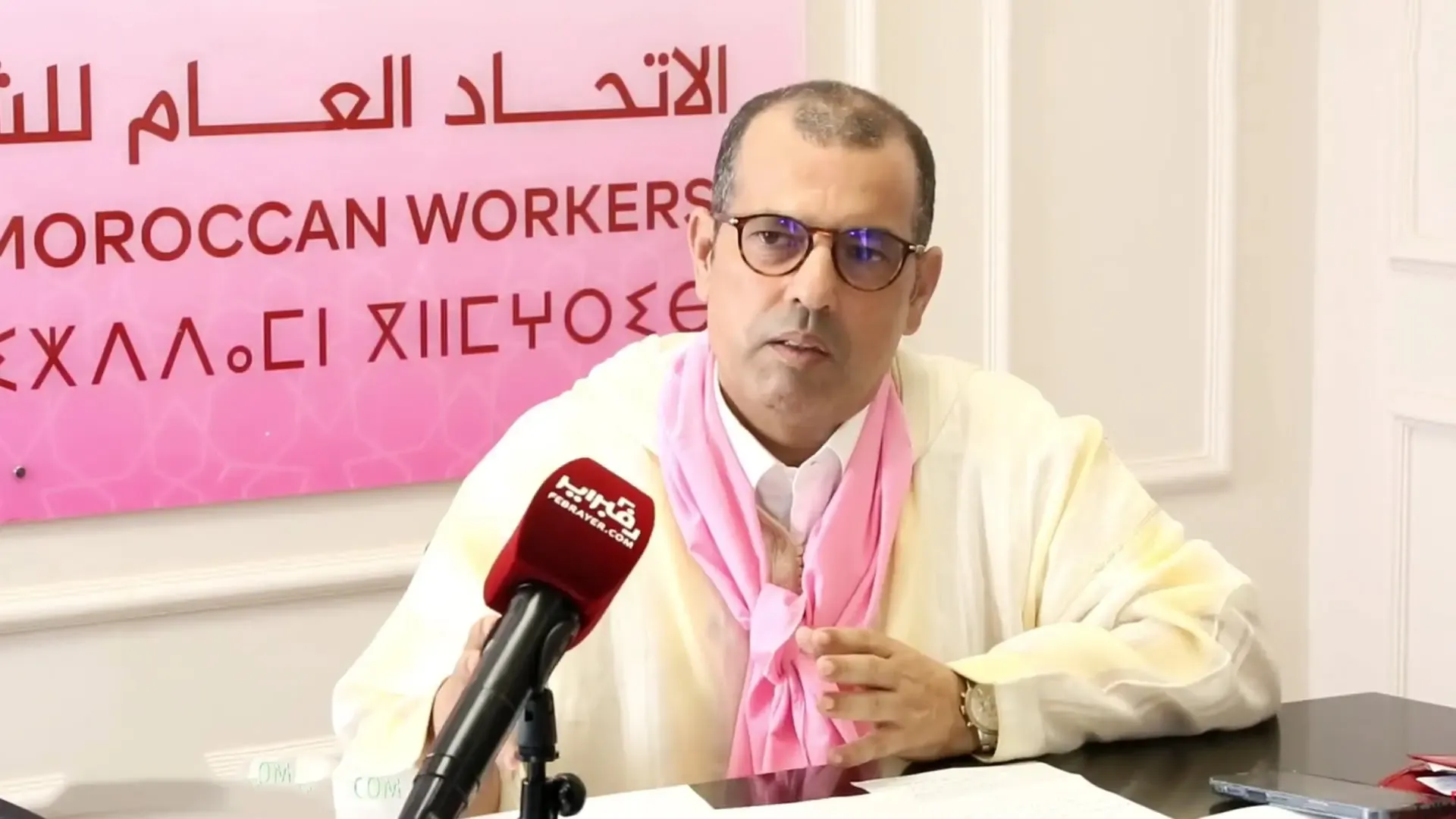
Driouch’s candidacy is a culmination of a long journey in civil and political service that began with the Popular Childhood Movement and a historic national party. His integration into the Istiqlal Party was facilitated through direct outreach by Secretary-General Nizar Baraka and Dr. Abderwahid Al-Fassi. Driouch emphasized that the swift integration into the party’s branches in Hassan, Youssoufia, and Souissi has fostered a positive dynamic and a fighting spirit, with the goal of achieving a significant breakthrough and securing a parliamentary seat to ensure the party's presence in this sensitive district.
On a social level, Driouch stressed the urgent need for Morocco to adopt a social approach that aligns with the royal directives. He recalled the experience of the Abbas El Fassi government, which focused on supporting purchasing power and vulnerable groups. Driouch highlighted that Moroccan citizens have faced severe living difficulties in recent times, evident in alarming statistics indicating a national unemployment rate nearing 13%, which escalates to about 37.5% among youth. He argued that these figures not only reflect an economic crisis but also signify a genuine "crisis of trust" between the youth and existing institutions, as the announced budgets and programs fail to address their everyday realities.
Furthermore, Driouch affirmed that the Istiqlal Party, with its historical reference and philosophy based on "self-criticism," possesses the political qualifications to contribute to addressing the issue of "Morocco at two speeds" and to mitigate social and regional disparities. He cited the pivotal role of the General Union of Moroccan Workers (UGTM) in successfully advancing social dialogue, leading to tangible gains for the working class, including the recent legislation that reduced the working hours for private security guards—numbering around 1.2 million—from 12 to 8 hours a day—as evidence of the party's commitment to social issues.
In closing, Driouch issued a direct and clear call to the youth, urging them to abandon their pessimistic views and frustrations towards political engagement, and to take proactive steps to exercise their right to change by turning out in large numbers to vote. He also appealed to the residents of Shala across various neighborhoods, from the historic city streets he hails from to Hassan, Youssoufia, and Souissi, to provide his list with the necessary popular legitimacy to represent them authentically and advocate vigorously for their living conditions and essential interests within the Parliament.
As reported by febrayer.com.