
The Symbolic Appointment of Fatima Ezzahra El Mansouri
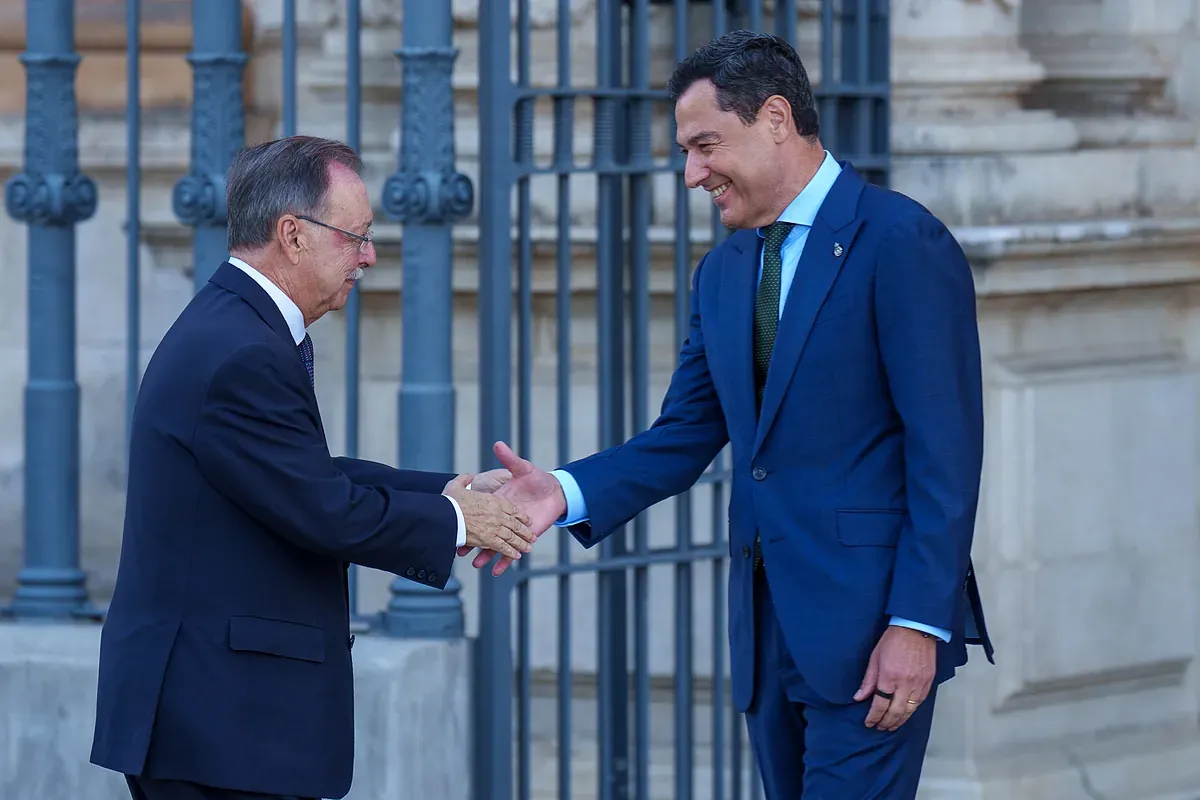
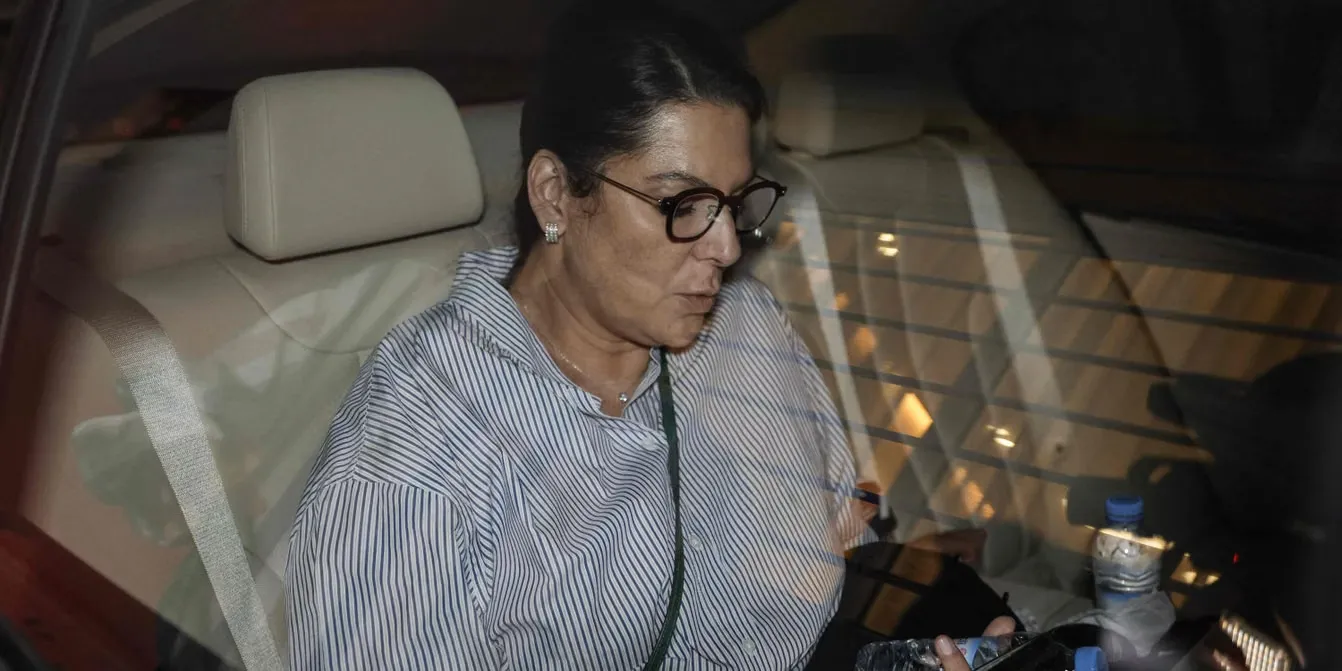
In a significant development for Morocco's political landscape, the appointment of Fatima Ezzahra El Mansouri as Prime Minister represents a powerful symbol of progress in a constitutional monarchy that has historically struggled with gender representation in governance. El Mansouri's inauguration was marked by a traditional ceremony at the Royal Palace in Rabat on September 29, 2026, where she was welcomed by King Mohammed VI, both clad in blue djellabas. This imagery resonates not only within Morocco but across the globe, as it signifies a potential shift towards a more modern and inclusive political realm.
Continued Challenges for Women in Parliament
Despite this landmark appointment, the reality for women in Moroccan politics remains starkly contrasted against the backdrop of El Mansouri's achievement. Out of 395 seats in the newly elected Parliament, only 107 are held by women, representing a mere 27% of the total. This figure, while slightly improved from previous elections—24.3% in 2021 and 21% in 2016—highlights the persistent glass ceiling that women face in political representation. Ghizlane Mamouni, a lawyer and prominent feminist activist, poignantly remarked on this slow progression, stating, "At this rate, the parity promised by Article 19 of the Constitution since 2011 will take another 40 years." The slow increase in female representation in Parliament raises critical questions about the effectiveness of existing measures aimed at promoting gender equality in Moroccan politics. While the appointment of a female Prime Minister is indeed a step forward, it underscores the need for systemic changes to enhance the representation and participation of women in all levels of government.
As reported by lemonde.fr.