
Brussels Calls for Migrants' Return to Morocco
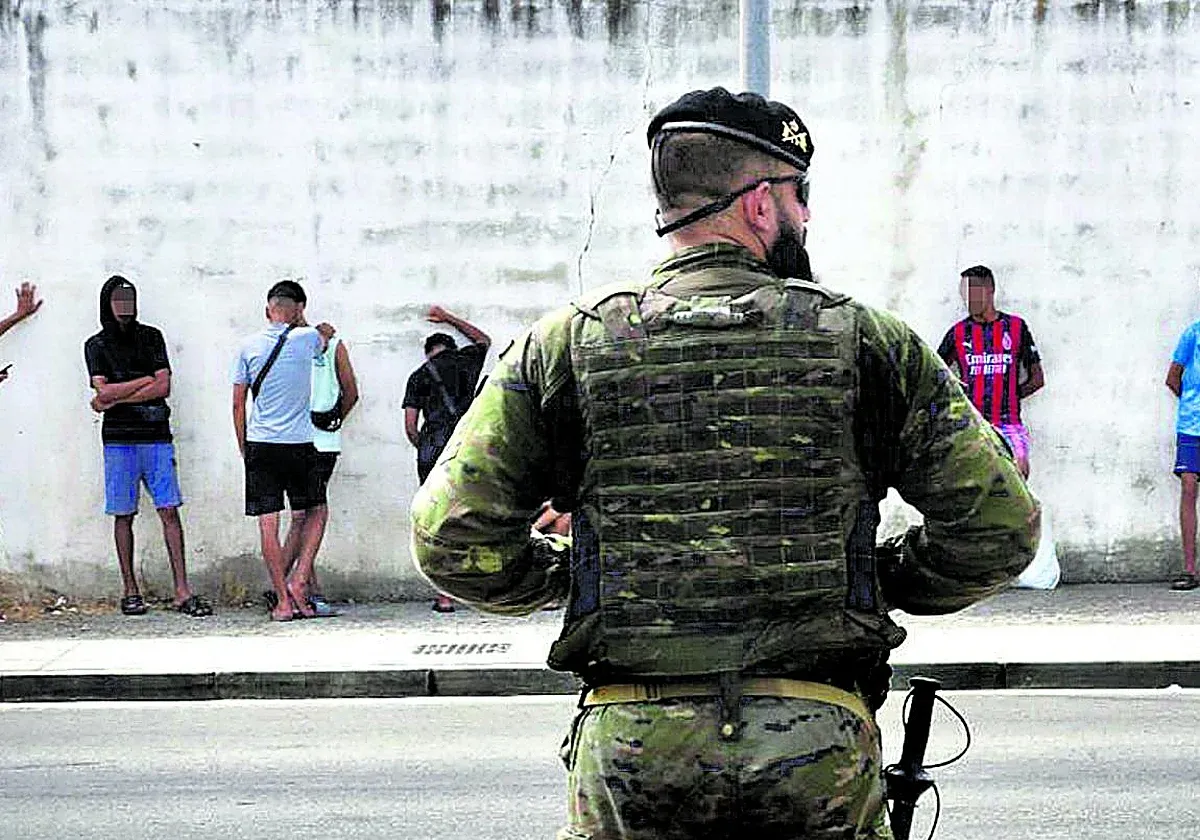
The European Commission has reiterated its demand that all migrants who crossed from Morocco to Ceuta on July 30 and 31 should be returned to Morocco. This request aligns with the Commission's ongoing commitment to ensuring the protection of unaccompanied minors who arrived in the city. Despite highlighting this obligation, the Commission emphasized that these minors should also be included among those subject to expulsion back to their home countries. Markus Lammert, the European Commissioner for Internal Affairs, emphasized, "It should be clear: the protection of vulnerable minors must be guaranteed. It is indeed a national duty, in this case of the Spanish authorities, to ensure this."
In a recent statement, Lammert reiterated previous assertions regarding the applicability of both the existing return directive and the newly approved regulation from June, which outlines provisions for the repatriation of irregular migrants, including unaccompanied minors. He expressed a "clear expectation" that all migrants who entered Ceuta illegally, including minors, should be returned to Morocco. The Commission is reportedly working intensively with both Spain and Morocco to facilitate these returns while fully respecting EU law and international law. Lammert stressed the importance of ensuring that these returns are executed effectively.
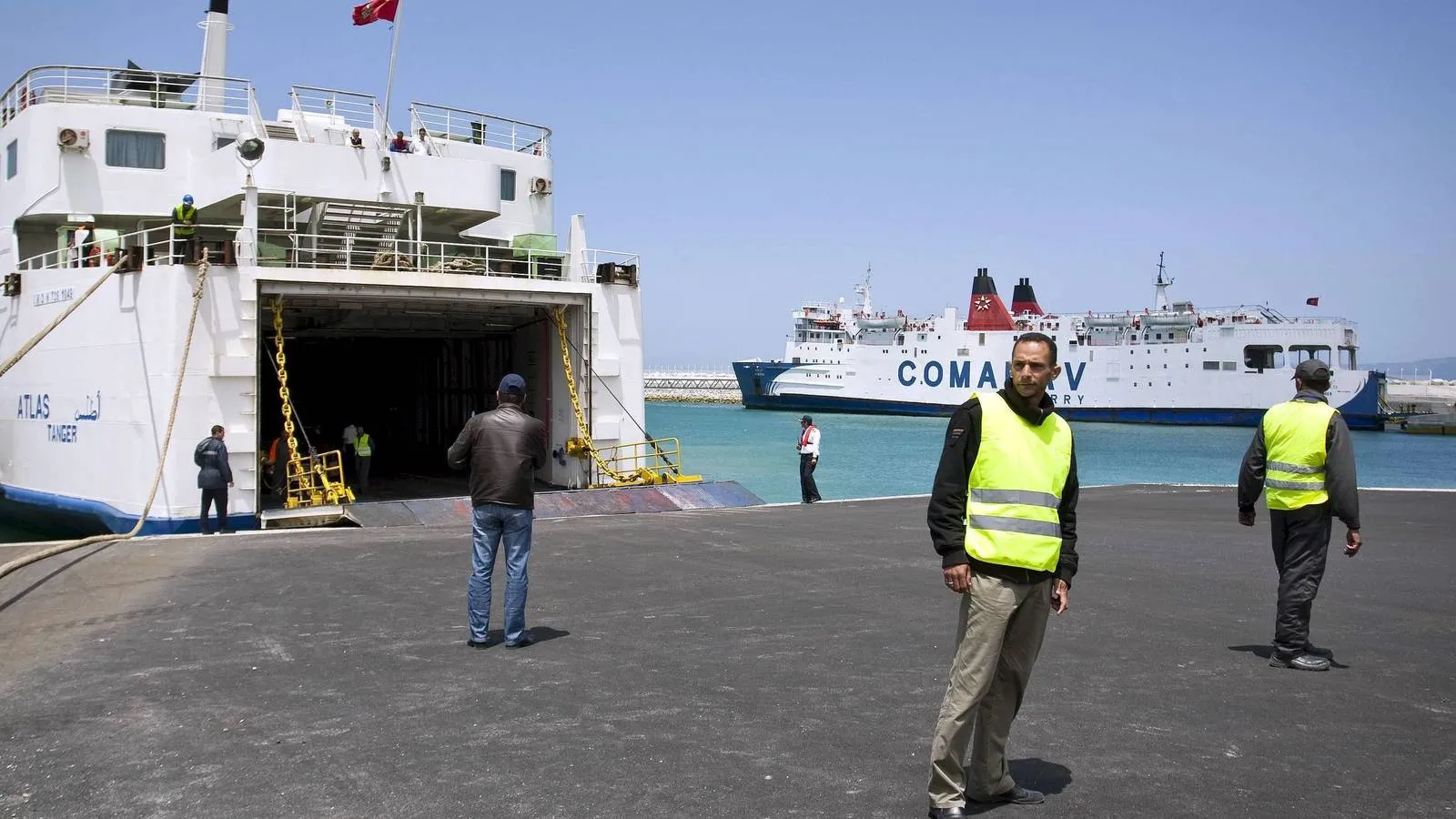
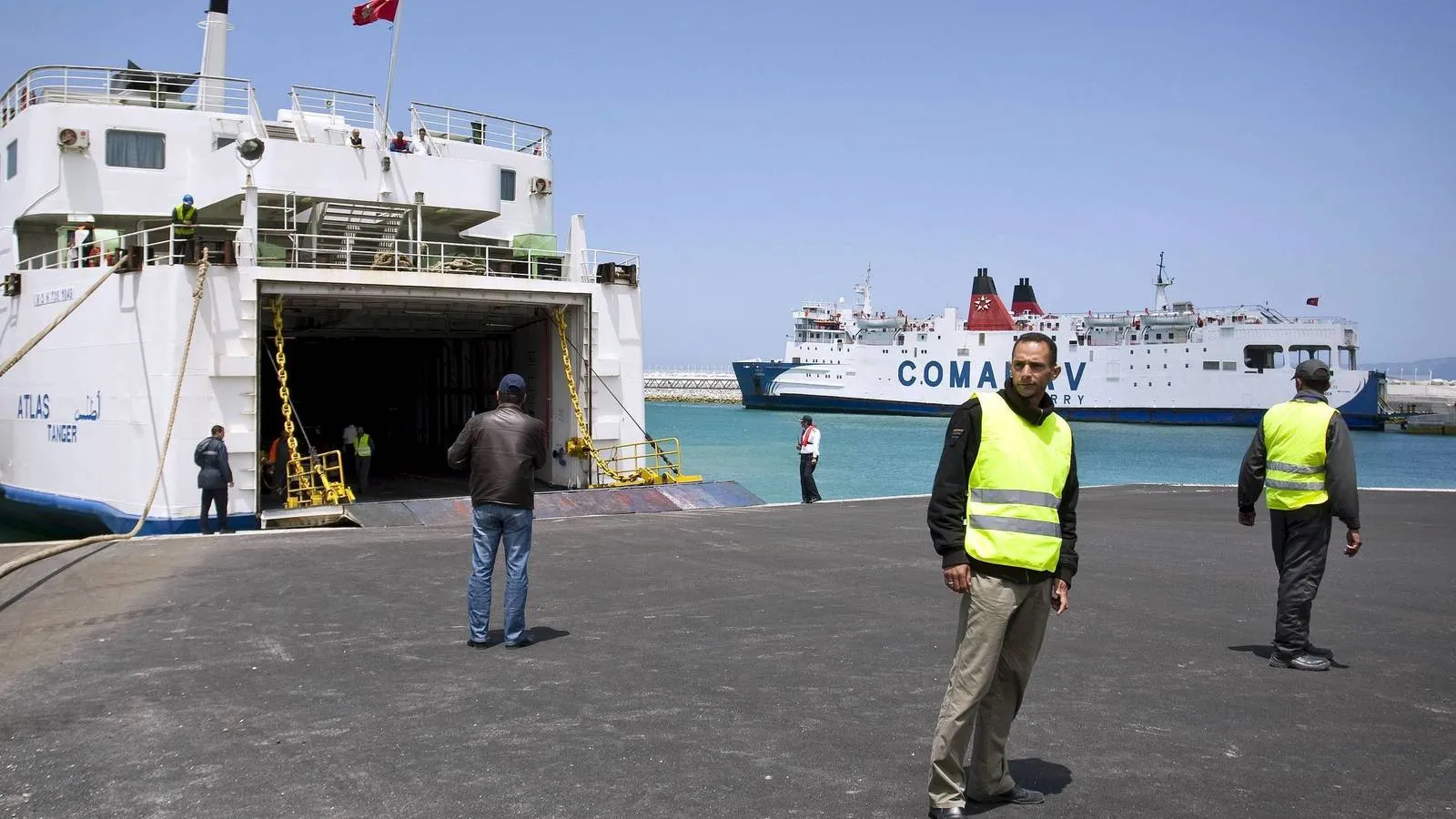
Additionally, the European Commissioner underscored the necessity of strengthening border controls in Ceuta, noting, "We need to see this happen. Member States are also requesting to see this implemented." He once again offered support to both Madrid and Rabat to ensure that the border is more secure, even though the Spanish government under Pedro Sánchez has yet to submit a formal request for such assistance. Lammert indicated that the European Commission is "working closely" with the Spanish government to assist them in finalizing their request.
As of now, no definitive request has been received by the Commission, referencing the assistance that has been offered to Spain, including funds from the Asylum, Migration and Integration Fund (AMIF) to support the reception and assistance of the thousands of migrants still remaining in Ceuta. There are also proposals for additional resources from European agencies such as Frontex, Europol, and the European Union Agency for Asylum (EUAA).
As reported by elcorreo.com.