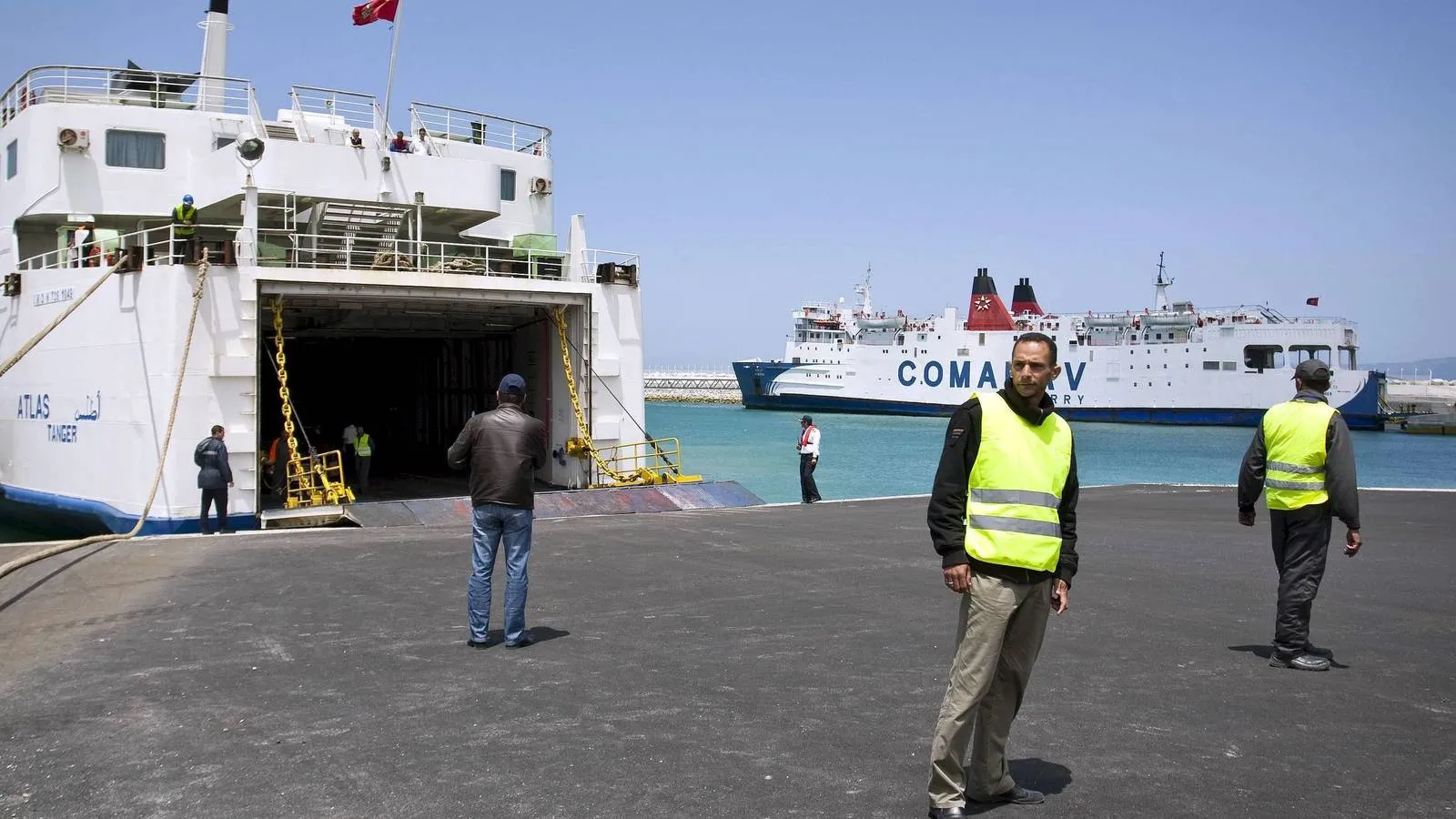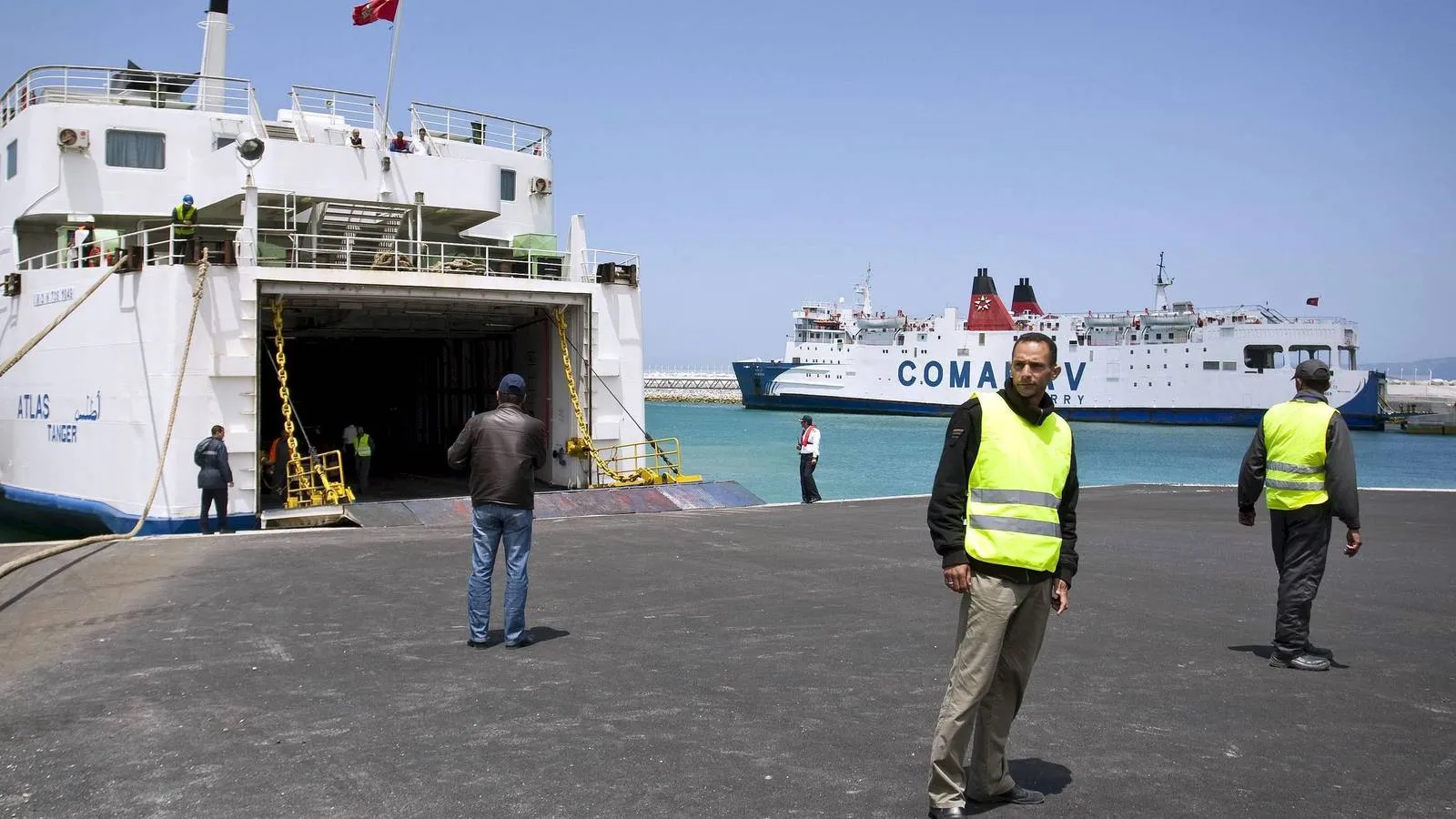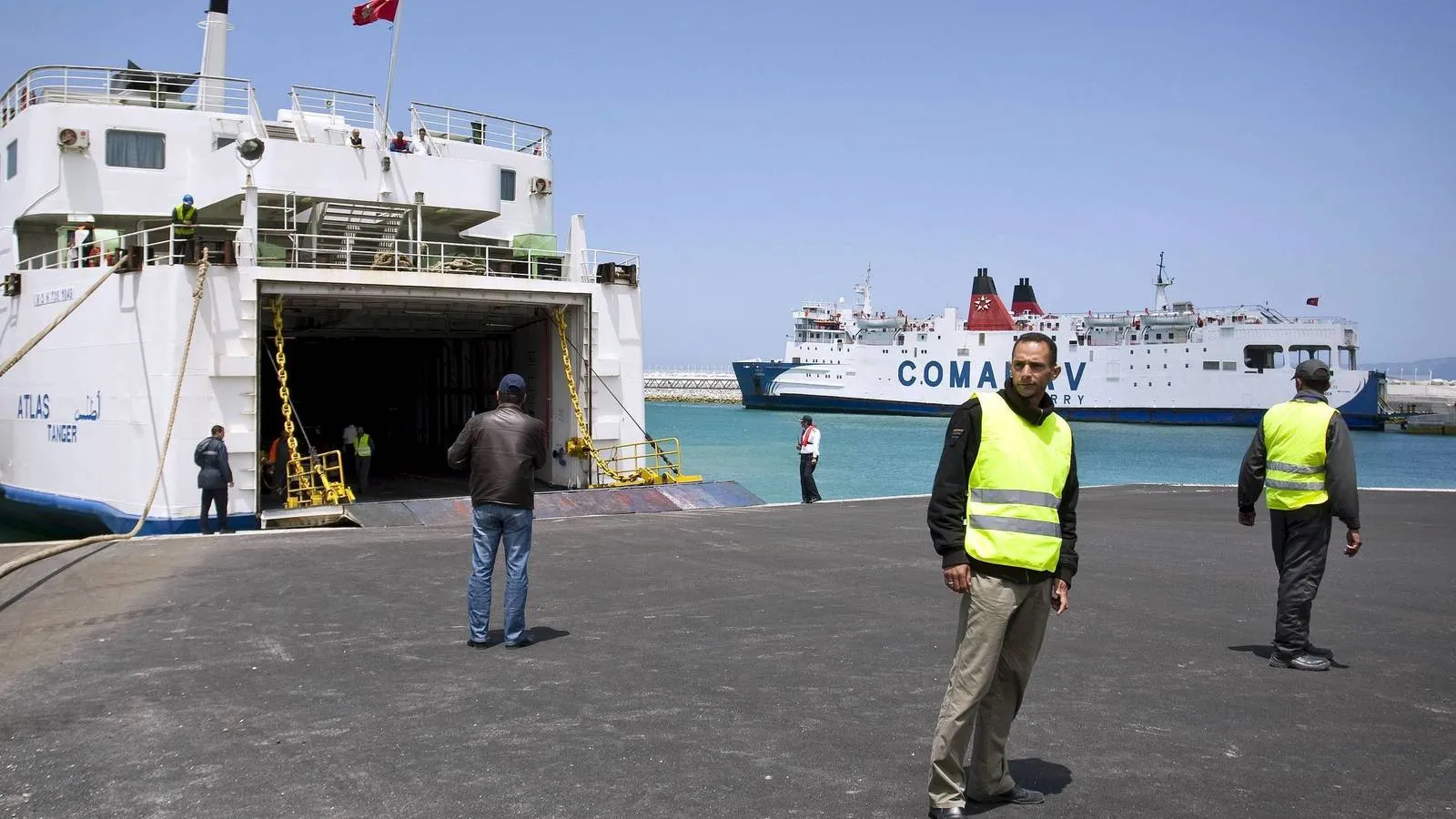

In a recent development, Moroccan authorities have intensified the scrutiny of documents required for Spanish citizens entering Morocco through various border crossings. As reported by the Spanish newspaper La Razón on October 6, 2026, some travelers are now required to present a return ticket and hotel reservation, in addition to answering questions regarding the purpose of their visit and the duration of their stay. This increase in vigilance follows a period marked by greater leniency in verifying these documents, as highlighted by the same report. However, the published information indicates that while there is a rigorous check on existing conditions, it does not confirm the introduction of new visa requirements or additional documents specifically for Spanish citizens.
What Has Changed for Spanish Nationals Entering Morocco?
According to the report from La Razón, some Spanish nationals may be asked to provide information and documents detailing their travel arrangements, which include:
- Return Ticket: To confirm the expected date of departure.
- Hotel Reservation: To specify accommodation during the visit.
- Purpose of Travel and Length of Stay: Through questions posed by border officials.
The report does not specify all the border crossings involved, when the enforcement of these checks will begin, or whether the same procedures apply to all travelers. Furthermore, it does not clarify the reasons for this tightening of controls, leaving no evidence to suggest a direct link to any specific political decision.
Do Spaniards Need a Visa to Enter Morocco?
The Spanish embassy in Rabat clearly states in its frequently asked questions that Spanish passport holders are exempt from visa requirements for stays shorter than 90 days. It is crucial to distinguish between visa exemption and the verification of travel details at the border; exemption does not mean that passport checks or answering questions about the visit can be disregarded.
Travel recommendations published on the Spanish consulate website in Larache emphasize the necessity of carrying a valid passport with a minimum validity of six months that remains effective throughout the stay. Additionally, the recommendations note that the permitted tourist stay does not exceed 90 days within any six-month period, with a maximum of six months per year. Travelers are advised to check the official page before departure for any updates.
Considering the recent information regarding the monitoring of Spanish entries into Morocco, travelers should be prepared by keeping their passports ready and having clear copies of their return tickets and accommodation bookings, along with knowledge of their accommodation address and travel dates. These are practical preparation tips rather than a declaration of a new set of mandatory conditions for all travelers. If visiting family or friends, it is advisable to inquire in advance at the Moroccan consulate about the appropriate proof for this situation instead of assuming a hotel reservation is necessary.
The Moroccan National Tourist Office provides information in Arabic regarding travel procedures to Morocco, which can assist travelers in reviewing requirements based on their nationality and travel documents.
The article primarily addresses Spanish citizens but does not elaborate on how individuals who also hold Moroccan citizenship should be treated. Thus, the details cannot be generalized for this group without clarification from relevant authorities. For a deeper understanding of this topic, readers can refer to our article on dual Spanish-Moroccan citizenship and its legal recognition.
For travel in the opposite direction, from Morocco to Spain, different procedures apply, which we have explained in our guide on how to apply for a Schengen visa from Morocco.
As reported by espanaenarabe.com.