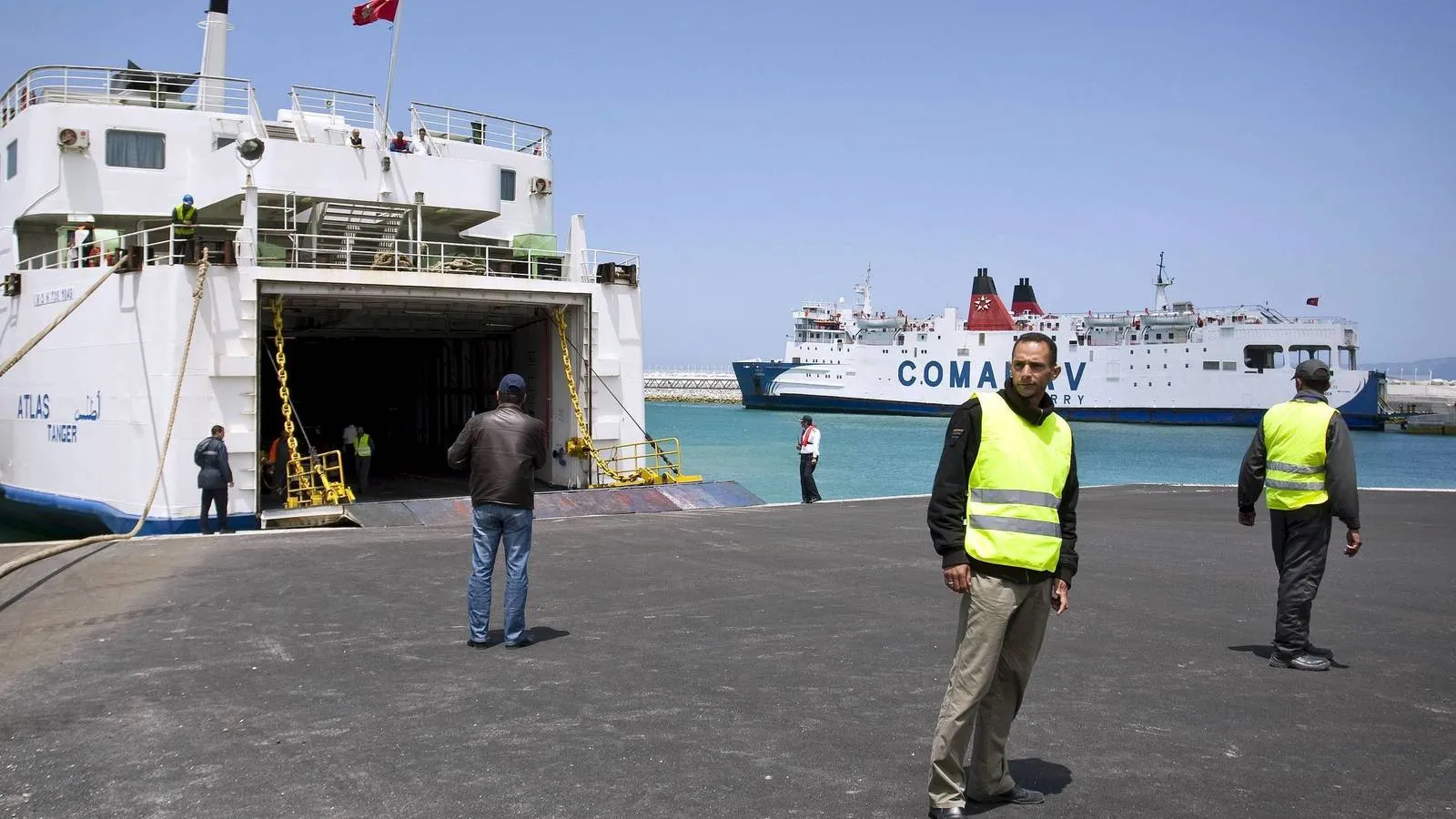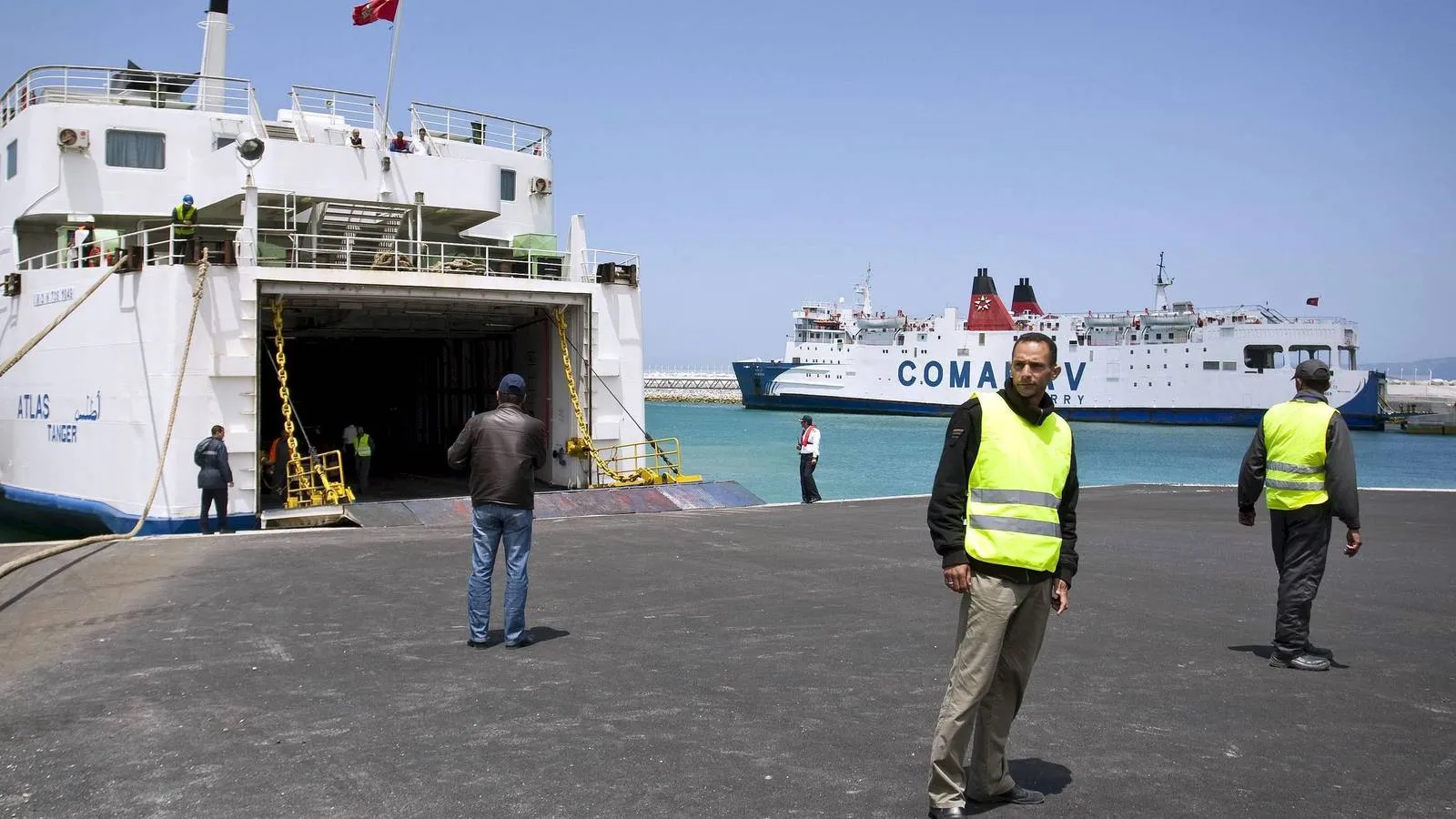

The Moroccan authorities have intensified document checks for Spaniards entering Morocco at various border crossings, requiring some travelers to present a return ticket and hotel reservation, alongside responding to questions regarding the purpose of their visit and the duration of their stay. This information was published by the Spanish newspaper "La Razon" on Tuesday, October 6, 2026. The tightening of these controls follows a period where there was greater flexibility in verifying such documents. However, the published data indicates an increased scrutiny of existing requirements, without suggesting the introduction of a visa or new documentation specifically for Spaniards.
Changes in Entry Requirements for Spaniards Traveling to Morocco
According to a report from "La Razon", some Spanish citizens may now be required to provide information and documentation outlining their travel arrangements, which include a return ticket to demonstrate their intended departure date, a hotel reservation to clarify where they will be staying during their visit, and responses to questions posed by border officials regarding the purpose of their trip and the length of their stay. The report does not specify which border crossings are affected, when these checks will be implemented, or whether all travelers will be subjected to the same scrutiny. Furthermore, no reasons for the tightening of these controls are provided, thus lacking evidence that links this decision to a specific political context.
Do Spaniards Now Need a Visa for Morocco?
The Spanish embassy in Rabat clarifies in its frequently asked questions section that holders of Spanish passports are exempt from needing a visa for stays of less than 90 days. This distinction is crucial; while the exemption from a visa is in place, travelers are still required to present their passports and answer questions related to their visit at the border. Additionally, the travel recommendations published on the website of the Spanish consulate in Larache emphasize the necessity of carrying a valid passport with at least six months of validity remaining throughout the stay. The recommendations also remind travelers that permitted tourist stays do not exceed 90 days within any six-month period, with a maximum of six months in a year. It is advisable to check the official page for any updates prior to departure.
In light of the new border monitoring measures for Spaniards entering Morocco, travelers are advised to prepare their passports and keep clear copies of their return tickets and accommodation bookings. It is also recommended to know the address of their lodging and the dates of travel. These practical recommendations for preparation should not be interpreted as a declaration of new mandatory conditions for all travelers. If the visit involves staying with family or friends, it is preferable to inquire in advance with the Moroccan consulate about the appropriate proof required in such cases, rather than assuming that a hotel booking is necessary. For more information regarding travel procedures to Morocco, the Moroccan National Tourism Office provides Arabic resources that help review requirements based on the traveler's nationality and travel documents.
The article primarily addresses Spanish citizens but does not clarify how those holding both Spanish and Moroccan citizenship will be treated. Thus, the details cannot be generalized for this group without further clarification from the relevant authorities. For a deeper understanding of this topic, you may read our article on dual nationality between Spain and Morocco: what the law recognizes and what is actually applied. Traveling in the opposite direction, from Morocco to Spain, involves different procedures, which we have explained in our guide on how to apply for a Schengen visa from Morocco.
As reported by espanaenarabe.com.