
The Role of Cafés in Political Discussions During the 2026 Legislative Campaign in Fes
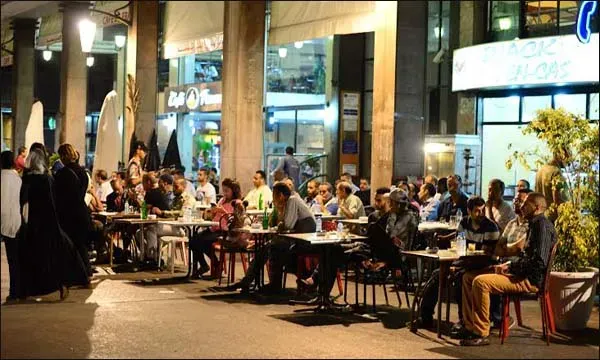
In the city of Fes, the electoral campaign for the legislative elections scheduled for September 23, 2026, transcends the conventional realms of political party headquarters, digital platforms, and wall posters. Instead, it permeates the vibrant atmosphere of local cafés, those familiar spaces where politics subtly intertwines with everyday life, often accompanied by a sip of coffee and a glance at the latest social media updates or a fleeting encounter with a campaign trail. The cafés of Fes have reclaimed their traditional role as venues for discussion and the exchange of opinions, serving as informal forums where political matters are debated amidst the warmth of coffee cups and steaming tea, offering a grounded perspective far removed from the polished rhetoric typical of official gatherings.
Within these bustling social hubs, discussions tend to be spontaneous and, at times, passionate. They delve into various political topics in a manner that is both approachable and closely linked to the daily lives of citizens. The primary focus often revolves around tangible issues such as purchasing power, employment, public services, and the future of the city, all conducted without the influence of rehearsed slogans or extravagant campaign promises. Here, the promises made during elections are scrutinized and put to the test, with conversations often ignited by smartphones displaying videos, images, or statements from candidates. These discussions quickly pivot back to the crux of the matter: the candidates' actual ability to meet the aspirations of the populace.
Voices from the Community: Aspirations and Realities
In a café located in the popular Mon Flory neighborhood, Mohamed Kroum shares insights drawn from his extensive experience in community activism. He remains somewhat insulated from the influence of social media algorithms, possessing a clear political vision. Kroum's candid message to candidates emphasizes the necessity of moving away from hollow promises that lack real impact and instead advocating for sincerity and accountability. He underscores the importance of translating commitments into tangible achievements following the electoral process. For him, proximity to citizens must be a cornerstone of political activity, involving direct engagement with the public, actively listening to their demands, and maintaining a connection with the community long after the elections have concluded.
Kroum's expectations primarily center on the effective implementation of the new development model, focusing on the enhancement of health, justice, education, and social policy sectors. He specifically highlights the need to address the vulnerable populations and the importance of paying attention to youth aspirations, particularly in education and employment opportunities and access to development projects. He also urges political parties to broaden their structures to include youth actively, paving the way for a new generation of political leaders. In his view, participating in elections is a demonstration of national responsibility.
Similar concerns echo through the voices of others, like Abdel Wafi Tunis, whom we met in another café. He articulates that the fundamental challenge of the upcoming elections lies in the ability of voters to elect competent individuals capable of effectively managing public affairs at local, regional, and national levels. He calls for a renewal of the political elite, advocating for more opportunities for youth and capable individuals who can stimulate investment and create job opportunities. He believes that rural development must also be prioritized as an integral part of urban growth, which includes strengthening infrastructure, improving education, health, housing, and agricultural investment in these areas to mitigate rural migration.
Furthermore, he demands a genuine policy of proximity, one that features elected officials who are directly familiar with the problems faced by citizens and can offer concrete solutions. His aspirations hinge on institutions led by capable individuals who can guarantee dignity and fundamental rights and recognize what he considers the country's primary wealth: human capital. In another café situated in the city center, we hear similar hopes and aspirations deeply rooted in the daily lives of residents. Ali Sfeera, a musician, expresses his desire for the upcoming elections to yield notable improvements in living conditions, advocating for a cleaner and safer city with more green spaces for leisure and health services that meet community needs.
However, his concerns extend beyond the city limits as he argues for the necessity of providing fundamental facilities in rural areas, such as schools, sports fields, libraries, and other infrastructures to bring services closer to the population and reduce urban migration. He emphasizes the importance of specifically addressing youth issues, given their potential as a beacon of hope and the promising talents they possess in various fields such as sports, culture, and sciences. He encourages public officials to create broader spaces and responsibilities for young people, believing that their energies can serve as a critical leverage for the country's future.
As the campaign progresses and the date for the September 23 elections approaches, conversations in Fes cafés reflect an electoral campaign characterized less by partisan disputes and more by pressing issues such as the quality of public services, employment, youth concerns, regional development, the proximity of elected officials to citizens, and the credibility of their commitments. Thus, cafés serve as a barometer of public sentiment, where the hopes and aspirations of voters converge, preparing them to translate these discussions into actionable choices within the confines of polling stations on the upcoming Wednesday.
As reported by le12.ma.