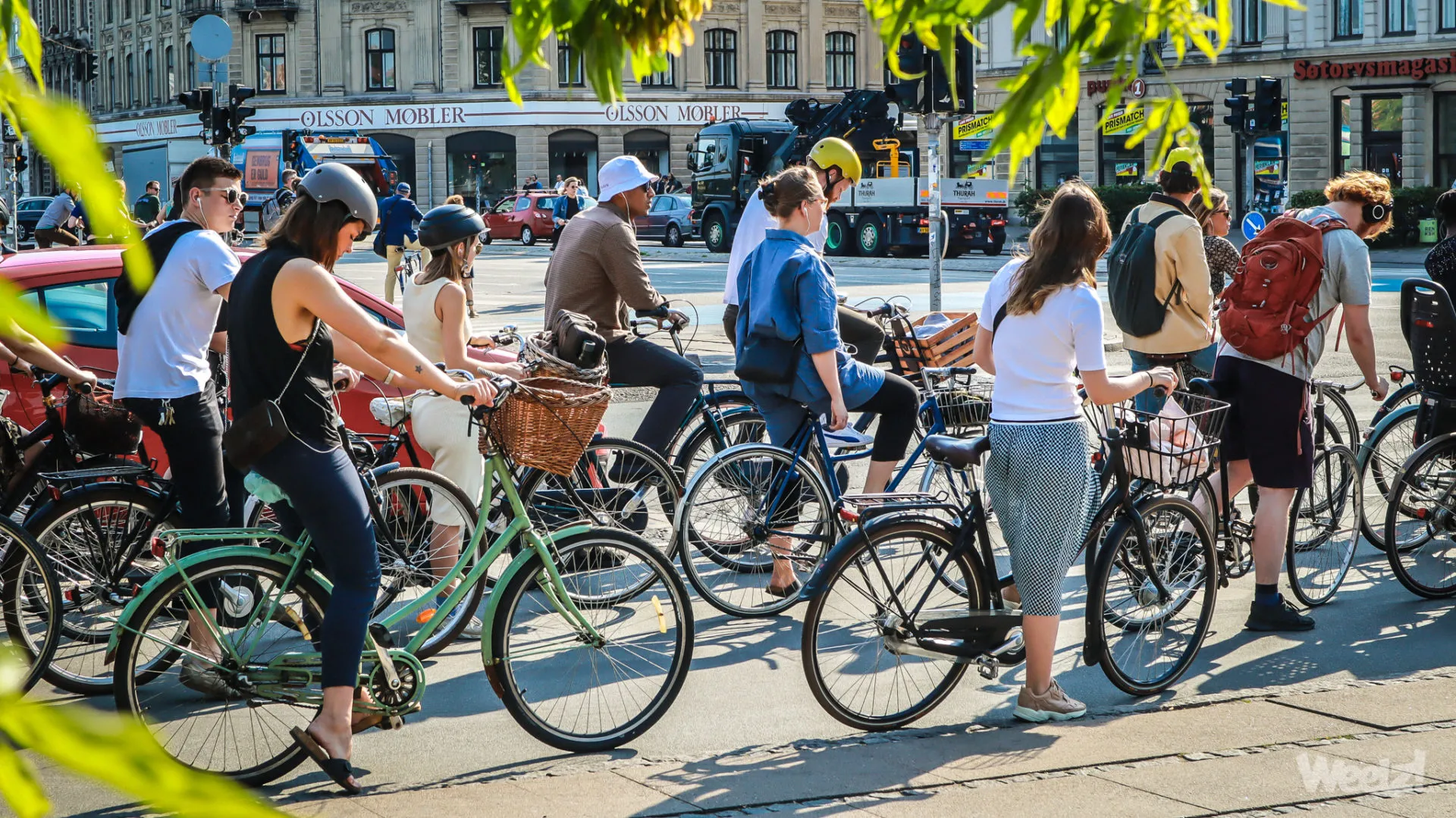

The recent global cycling cities ranking has stirred quite a conversation, particularly with Cambridge, a small university town in England, dethroning Copenhagen as the top cycling city according to local residents. Conducted by Time Out, this ranking is based on feedback from over 24,000 residents across 150 cities worldwide, taking into account various factors such as food, culture, cost of living, quality of life, and, importantly, the ease of cycling in their respective cities. This year, Cambridge emerged at the forefront, while Marrakech surprisingly made it into the top 10, and notably, no French city appeared in the list.
Understanding the Cycling Cities Ranking Methodology
Time Out's methodology is quite straightforward; it calculates a score based on the percentage of respondents who rate cycling in their city as "good" or "excellent." A significant aspect of this ranking is that only one city per country is included, favoring the highest-rated one. Consequently, prominent cycling cities like Amsterdam, Utrecht, or Paris cannot appear alongside each other in the top 20. While this approach highlights residents' sentiments about cycling, it does have its limitations, focusing on perceptions rather than quantifiable metrics such as the length of cycling infrastructure or accident statistics. Moreover, the number of respondents per city is not disclosed, making it difficult to assess the reliability of the data fully.
The Top 10 Cycling Cities According to Their Residents
1. **Cambridge, United Kingdom (83.2%)**: This English university city stands out with its flat terrain, relatively dry climate, and compact center, providing an excellent environment for cycling. Time Out points out the city's extensive multi-level bicycle parking at the train station and its innovative "cycle streets," which prioritize cyclists. Cambridge boasts the first dedicated cycle street in England, and, according to Cycling UK, a third of local trips are made by bicycle.
2. **Montreal, Canada (82.5%)**: Despite its cold and hilly terrain, Montreal competes fiercely with Cambridge. The city has been enhancing its cycling infrastructure, including a protected bike network that is expected to span 171 km, complementing the existing 1,083 km of cycling routes. Furthermore, one in four Montrealers utilized the BIXI bike-sharing service in 2023, showcasing the city's commitment to cycling.
3. **Copenhagen, Denmark (79.2%)**: For once, the Danish capital is not at the top but remains firmly in the top three. Copenhagen residents cycle approximately 1.44 million kilometers daily, benefiting from a well-developed network and traffic calming measures, including speed limits and textured road surfaces that encourage safer cycling.
4. **Shanghai, China (78%)**: Surprisingly, this bustling metropolis ranks fourth. Despite heavy traffic from cars and electric scooters, 78% of residents find cycling feasible, largely due to the Pudong Riverside Greenway, a car-free 24 km path along the Huangpu River.
5. **Vienna, Austria (77.7%)**: Vienna's cycling infrastructure includes around 1,800 km of bike lanes, easily accessible via an interactive map that also shows air pumps and repair stations. The city's bike-sharing program, WienMobil Rad, is a boon for both residents and visitors.
6. **Warsaw, Poland (76.6%)**: With flat terrain and about 500 km of bike paths, Warsaw is an attractive option for cyclists. The scenic route along the Vistula River connects several key sites, enhancing the cycling experience.
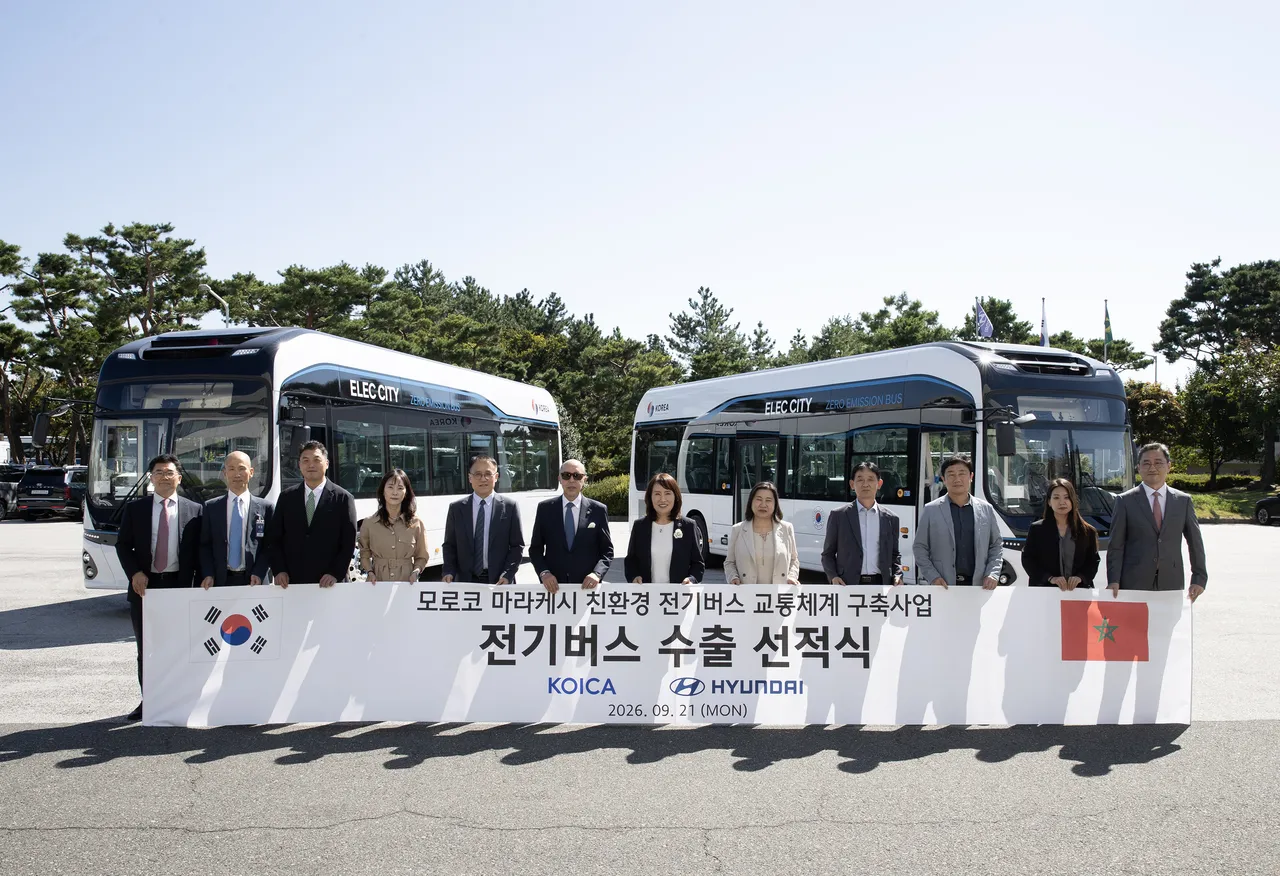
7. **Marrakech, Morocco (75%)**: This ranking is particularly surprising given the narrow streets of the medina, which are not conducive to cycling. However, the Guéliz district features wide avenues and bike lanes, and the city serves as a base for bikepacking adventures in the Atlas Mountains.
8. **Taipei, Taiwan (74.5%)**: Despite heavy traffic, Taipei utilizes its riverbanks effectively, establishing five major cycling routes alongside its rivers. Many central streets are also shared with pedestrians, promoting a harmonious coexistence.
9. **Stockholm, Sweden (73.7%)**: Stockholm's layout, spread across fourteen islands, is ideal for cycling, featuring numerous bike paths, waterfront trails, and green spaces. Conveniently, bike pumps are readily available throughout the city.
10. **Seville, Spain (72.3%)**: Seville has transformed into a cycling-friendly city in just a decade, boasting flat terrain and approximately 180 km of bike lanes. Its bike-sharing system, SEVici, features multiple stations, and some intersections even have traffic lights dedicated to cyclists.
Despite the commendable infrastructure improvements, the absence of any French cities in the top 20 raises questions about the local cycling experience. Paris, which ranked 22nd, reflects a sentiment that may not align with expert evaluations, as it previously placed fifth in the Copenhagenize Index 2025. This discrepancy suggests that while infrastructure is advancing, the subjective experiences of cyclists may not be keeping pace. Ultimately, this ranking serves as a reminder that to cultivate a cycling-friendly city, fostering a culture that encourages residents to cycle is essential.
As reported by weelz.ouest-france.fr.