
Hyundai Introduces Electric Buses to Morocco's Public Transit System
In a groundbreaking initiative, Hyundai Motor is set to introduce its domestically manufactured electric buses to Morocco, marking a significant step towards sustainable urban transport in the region. The company has announced the delivery of 15 Elec City electric buses that will operate on city routes in Marrakech, one of Morocco's foremost tourist destinations, starting next year. This endeavor is made possible through a partnership with the Korea International Cooperation Agency (KOICA), which is integral to the project's funding and execution under the framework of Official Development Assistance (ODA). This framework aims to bolster the economic and social development of developing nations.
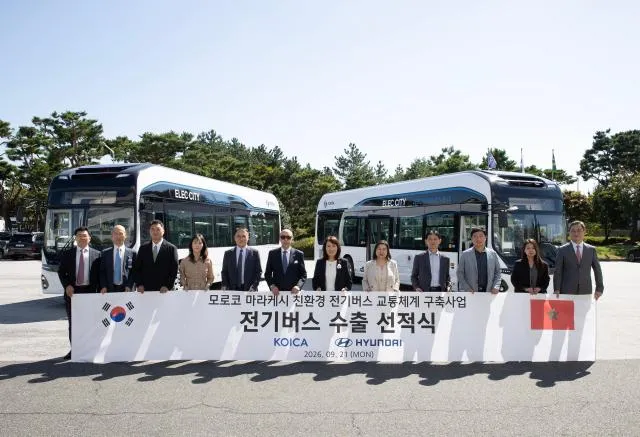
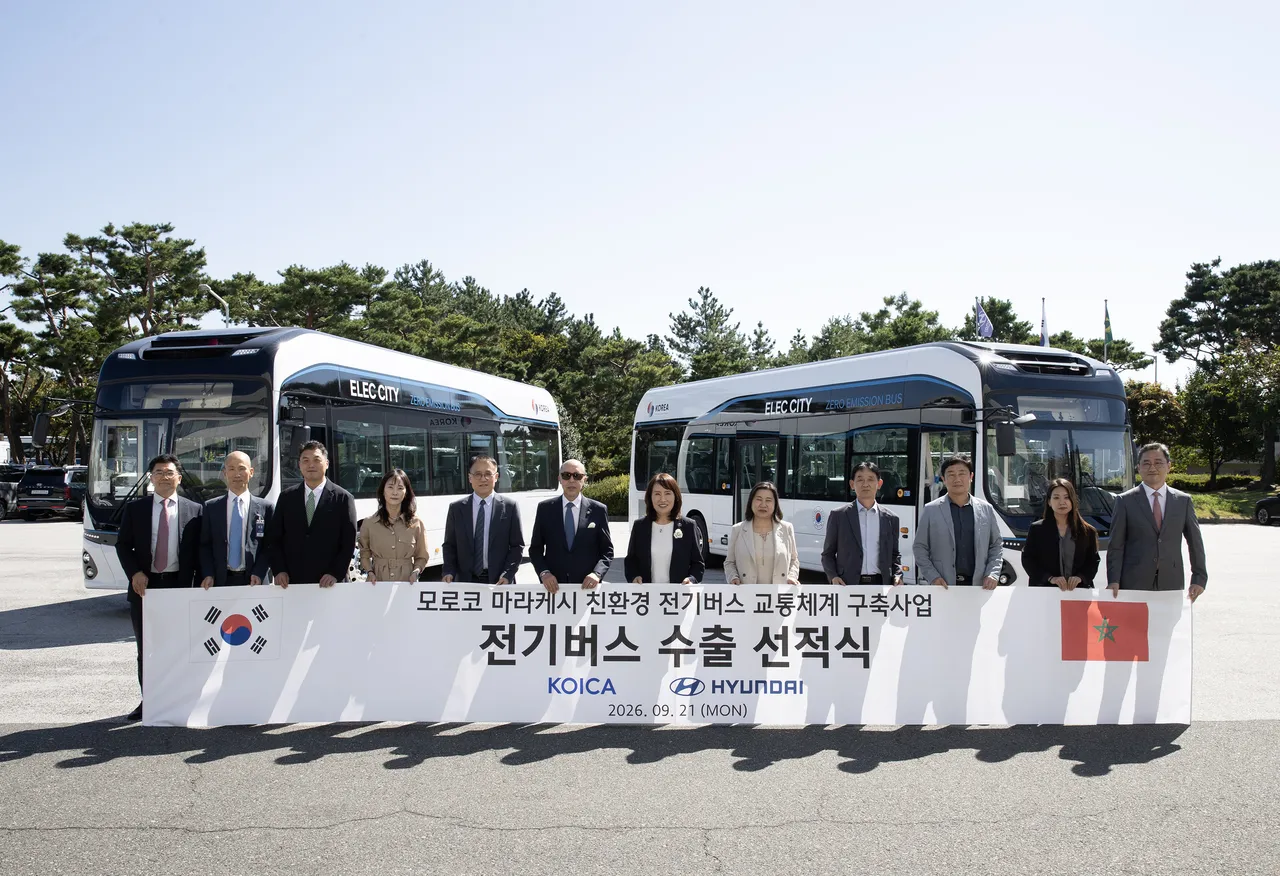
The ceremonial handover of the buses took place at Hyundai Motor's Jeonju factory in Wanju-gun, North Jeolla Province, attended by notable figures including Hyundai's Commercial Product Division Executive Vice President Lee Seung-min, KOICA's Regional Business Division 2 Director Do Young-a, and Chafik Rachadi, the Moroccan Ambassador to South Korea. This collaboration not only marks the first instance of domestically produced electric buses entering the Moroccan market, but it also signifies a commitment to greener public transport options in urban areas.
Supporting Infrastructure and Training for a Sustainable Future
Beyond the provision of the buses, the project encompasses a comprehensive support system, which includes the installation of fast chargers and essential infrastructure necessary for the electric buses' operation. Moreover, KOICA will facilitate operational and maintenance training, ensuring that local personnel are equipped with the expertise needed to manage and maintain these vehicles effectively. This initiative aligns with Morocco's broader commitment to reducing carbon emissions across various sectors, with a particular focus on transitioning towards low-carbon solutions in transportation. The Moroccan government aims to cut greenhouse gas emissions by up to 45.5 percent by 2030 and achieve carbon neutrality by 2050, making this project a crucial component of their environmental strategy.
The first two completed units of the 15 buses were showcased during the handover ceremony, with plans for the remaining vehicles to be produced and dispatched before their scheduled arrival in Morocco. A local handover ceremony in Marrakech is anticipated in the first quarter of 2027. This project not only serves to enhance public transport in Marrakech but also provides Hyundai Motor with a valuable opportunity to evaluate the performance of electric commercial vehicles in the North African market, particularly under the unique climatic and infrastructural conditions of the region.
Park Cheol-yeon, head of Hyundai Motor's Global Commercial & LCV Business Division, expressed optimism about the project, stating, "This initiative will be a significant example of expanding public transit electrification through electric buses. Hyundai Motor is dedicated to offering eco-friendly commercial mobility that aligns with the operational needs of diverse regions, contributing to the development of a sustainable transportation environment alongside our partners." Similarly, Do Young-a emphasized the potential impact of this project on promoting eco-friendly public transport in Morocco and highlighted the prospects for further expansion of Korean electric vehicles in the North African market.
Chafik Rachadi, the Moroccan Ambassador, underscored the symbolic importance of introducing Hyundai's electric buses to Marrakech, a city that played host to COP22 and stands as a key economic and cultural hub in Morocco. He expressed hope that this initiative would not only aid in achieving Morocco's carbon neutrality objectives but also enhance public transportation for citizens, paving the way for enhanced cooperation between Korea and Morocco in the realm of sustainable urban mobility.
As reported by mbiz.heraldcorp.com.