
CAN 2025: Morocco vs Senegal - Key Insights on the TAS Verdict
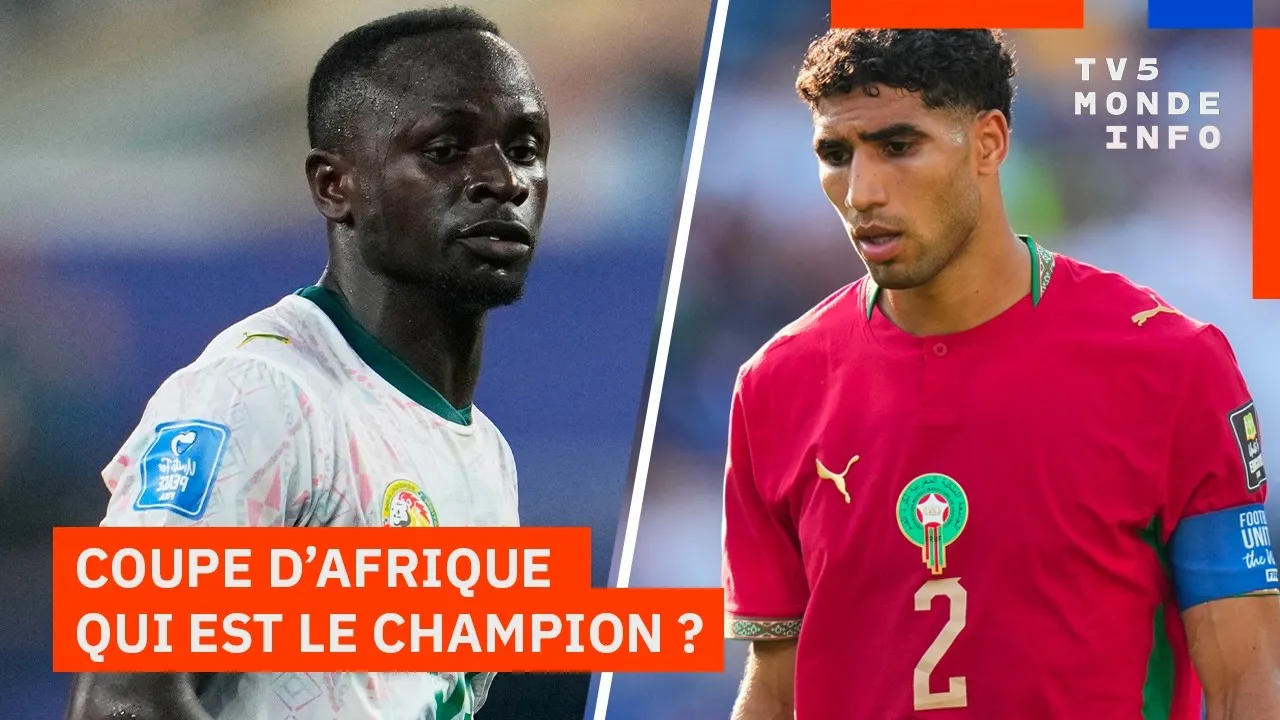
The anticipation surrounding the outcome of the 2025 Africa Cup of Nations (CAN) has reached a fever pitch, particularly regarding the recent verdict from the Court of Arbitration for Sport (TAS) concerning the match between Morocco and Senegal. On October 8, 2026, the TAS deliberated on Senegal's appeal against Morocco's controversial victory, which was awarded due to a decision made during the tournament. The controversy stems from a match that saw Morocco declare victory under contentious circumstances, prompting Senegal to challenge the legitimacy of that win.
The backdrop to this dispute is rooted in the intense rivalry between the two nations, each vying for supremacy in African football. As the situation unfolds, discussions have emerged surrounding the integrity of the officiating during the match, with Morocco reportedly possessing evidence that could potentially undermine the officiating decisions made on that day. This includes claims that the referee, Jean-Jacques Ndala, received directives to refrain from blowing the final whistle prematurely, a situation that raises questions about the fairness and transparency of the officiating process.
In a tournament marked by high stakes and significant media attention, it is critical to consider the implications of such a verdict not only for the teams involved but also for the broader context of African football governance. The use of advanced technology and the presence of approximately 800 high-definition cameras during the tournament in Morocco provides a framework for analyzing the events that transpired on the pitch. If Morocco's claims hold water, it could radically shift the narrative surrounding this match and possibly influence how similar disputes are handled in the future.
The stakes are significant; not only does this decision impact the teams' standings, but it also raises crucial discussions about sportsmanship, the role of technology in officiating, and how disputes in sports can be resolved through legal channels instead of solely on the field. As fans and analysts alike await the final decision from the TAS, the outcome of this case will undoubtedly shape the future of football governance in Africa.
As reported by youtube.com.