
Concerns Over Moroccan Military Escalation
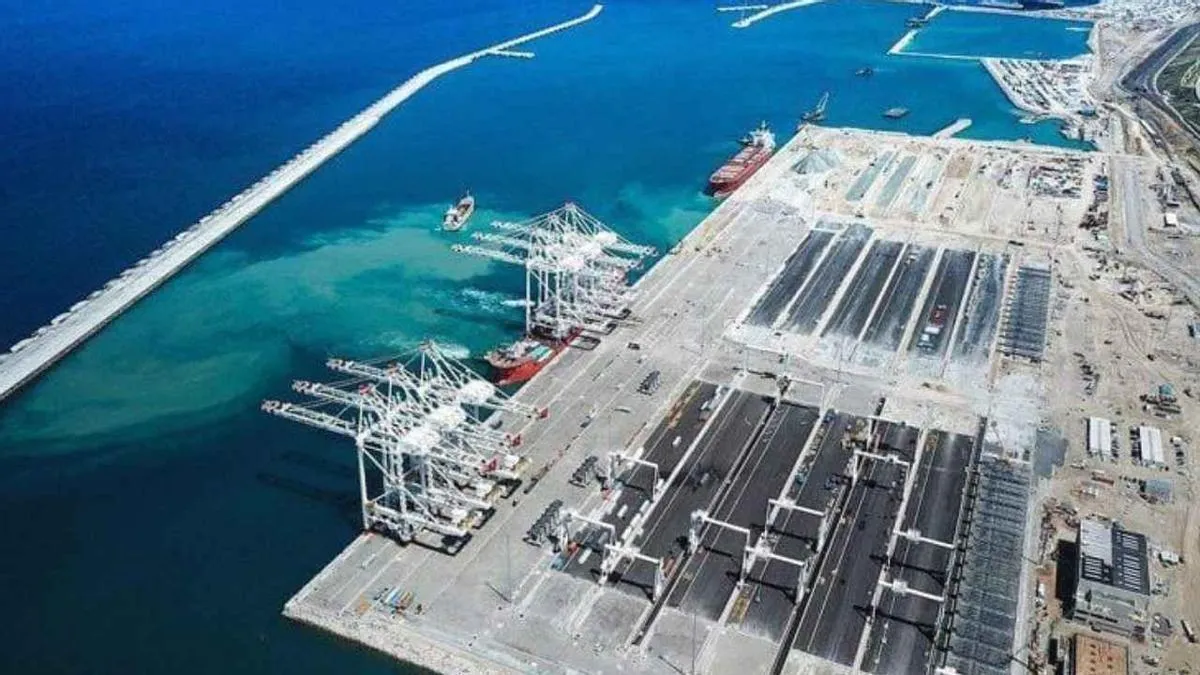
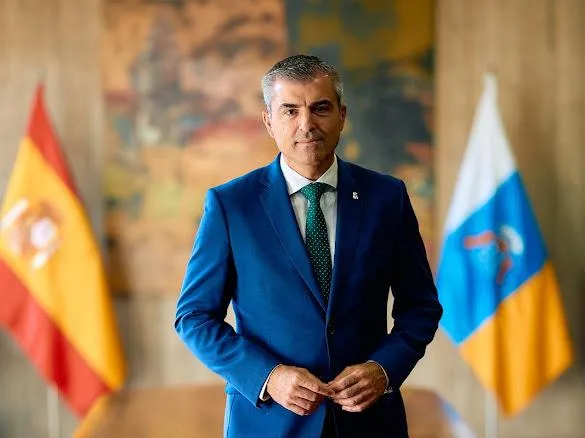
Manuel Domínguez, the Vice President of the Canary Islands representing the People's Party (PP), recently spoke with Libertad Digital about the alarming increase in Moroccan military activities amidst ongoing conflicts involving Ceuta, with the Canary Islands also in the line of sight. The situation is reminiscent of 2024, when approximately 40,000 individuals arrived in the Canary Islands within a year, leading to significant chaos. In just a few hours, Ceuta saw an influx of 70,000 people. Domínguez emphasizes the necessity for vigilance whenever military movements are observed in neighboring countries, as these developments pose a threat not only to Spain as a whole but specifically to the Canary Islands, which should not remain indifferent to such provocations.
Implications for Spanish Sovereignty
Domínguez articulates that Morocco's aggressive posture towards Spanish territories, including Ceuta and Melilla, raises the question of whether the Canary Islands could be next on Morocco's agenda. He asserts that Morocco's ambitions extend beyond the Sahara, targeting Ceuta and Melilla, and that Spain has witnessed better times in its diplomatic relations with Morocco, which now perceives the current Spanish government as weak and indifferent to national security. This situation has provided Morocco with the confidence to pursue its objectives without significant opposition.
Critically assessing the response of Prime Minister Pedro Sánchez, Domínguez describes it as inadequate and embarrassing, suggesting it mocks the Spanish populace. He criticizes Sánchez's focus on trivial matters instead of addressing pressing issues, indicating that the Prime Minister appears more concerned with his personal safety and that of his family than with the country. Domínguez argues for a more robust approach toward Morocco, advocating for respect and dialogue to foster a healthier bilateral relationship.
Reflecting on the situation in Ceuta, Domínguez notes that the government’s narrative attempts to obscure the harsh realities of increased insecurity, with reports of crimes such as assaults and thefts becoming alarmingly common. He highlights that Ceuta has rapidly transformed from a peaceful city to one fraught with anxiety, prompting many residents to reconsider their living situation. The Vice President commends Vivas for raising concerns and calling for seriousness in addressing these issues rather than resorting to humor.
On the topic of Sánchez's ongoing vacations during this crisis, Domínguez expresses skepticism about the Prime Minister’s priorities, suggesting that Sánchez is more focused on personal survival than national governance. He criticizes the government's approach to migration policy, particularly regarding the treatment of unaccompanied minors, arguing that the state should take full responsibility in these matters rather than shifting the burden onto local communities. Domínguez concludes by noting the ongoing arrival of migrants in the Canary Islands, indicating that despite a perceived decline in numbers, irregular arrivals continue to pose a significant issue, marking an urgent need for attention and action.