
The Nightlife Pulse of Casablanca
As the clock strikes 10 PM, the vibrant city of Casablanca undergoes a transformation rather than a slumber. The hustle and bustle of traffic slowly dissipates along the grand boulevards, illuminated signs take over the daylight, and a different urban landscape begins to emerge. While some neighborhoods find their calm, others come alive with activity, showcasing a captivating nightlife bustling with night workers, strollers, delivery personnel, shopkeepers, and cleaning crews as the metropolis continues to thrive almost uninterrupted.
On the Corniche Boulevard, terraces remain lively late into the evening. Families extend their strolls, groups of friends relish the coolness that follows a hot summer day, while street vendors offer ice creams, grilled corn, and refreshing drinks. Although the beaches gradually clear out, the sidewalks remain vibrant. "At night, people take their time to walk. The atmosphere is more relaxed," notes Yassine, a coffee vendor stationed near Ain Diab.
Behind the Scenes of a Thriving Metropolis
Just a few kilometers away, the city center portrays a contrasting scene; the administrative districts gradually become deserted, yet certain streets are still illuminated by late-night pharmacies, convenience stores, and cafes that attract a clientele of youth, students, and workers wrapping up their day. Delivery services are in full swing, with colorful insulated bags becoming a familiar sight on Casablanca’s nocturnal streets.
As the majority of residents return home, another group takes over the city, with urban cleanliness teams working diligently throughout the night to minimize traffic disruptions. Street sweepers, collection trucks, and maintenance workers traverse the main thoroughfares before dawn breaks. "We work while the city sleeps. Everything must be ready by morning," explains a cleaner stationed in the city center.
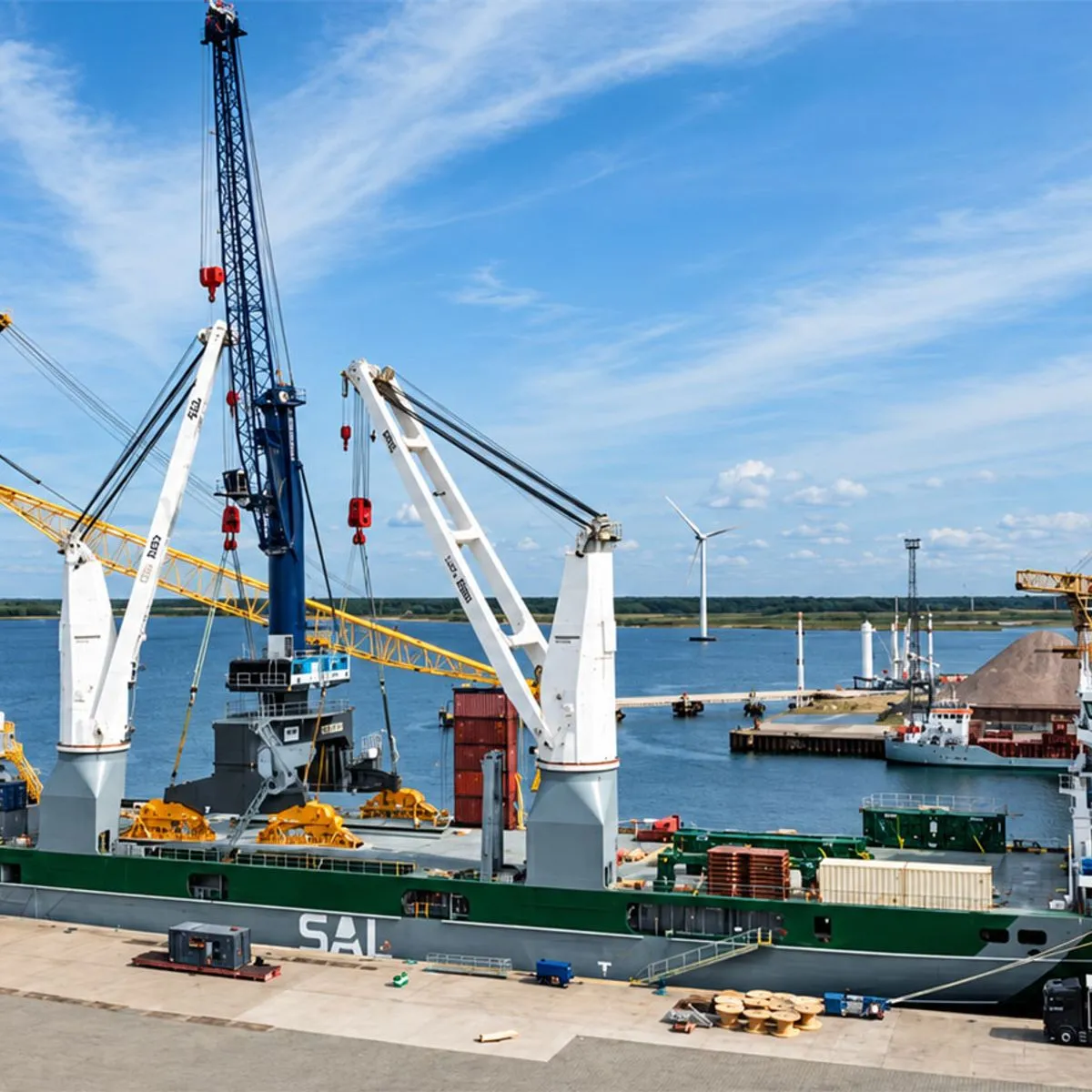
The infrastructure also runs at full throttle as wholesale markets commence operations well before dawn. Trucks from various regions of Morocco deliver fruits, vegetables, fish, and food products destined for local shops and restaurants. This nocturnal logistics operation is essential for feeding a metropolitan area of several million inhabitants.
In numerous industrial zones, such as Ain Sebaa and Sidi Bernoussi, certain companies continue their production on staggered shifts. Night teams ensure the continuity of sectors where operations run 24 hours a day. For many employees, nighttime represents an ordinary work period rather than a time for rest.
The major roadways also experience a transformation. Taxis navigate more freely in the absence of usual traffic jams, while buses connecting Casablanca to other cities continue their nightly departures. Train stations still welcome travelers arriving from Rabat, Marrakech, or Tangier, proving that the metropolis remains interconnected at all hours.
The nightlife in Casablanca reflects the unique status of the city as the economic capital of the Kingdom. According to the guidelines of the municipal action plan and various urban modernization programs, improvements in public lighting, the rehabilitation of public spaces, and the development of infrastructure aim to enhance the city's attractiveness at all hours. As emphasized in the metropolis's development strategy, the goal is to provide "a more accessible, safer, and more pleasant urban space for residents and visitors alike." Thus, after 10 PM, Casablanca reveals not just another face but an essential yet subtle mechanism. Behind the bright boulevards, the seaside promenades, and the open cafes, a multitude of professions ensure the seamless operation of a city that never truly stops living.
As reported by lopinion.ma.