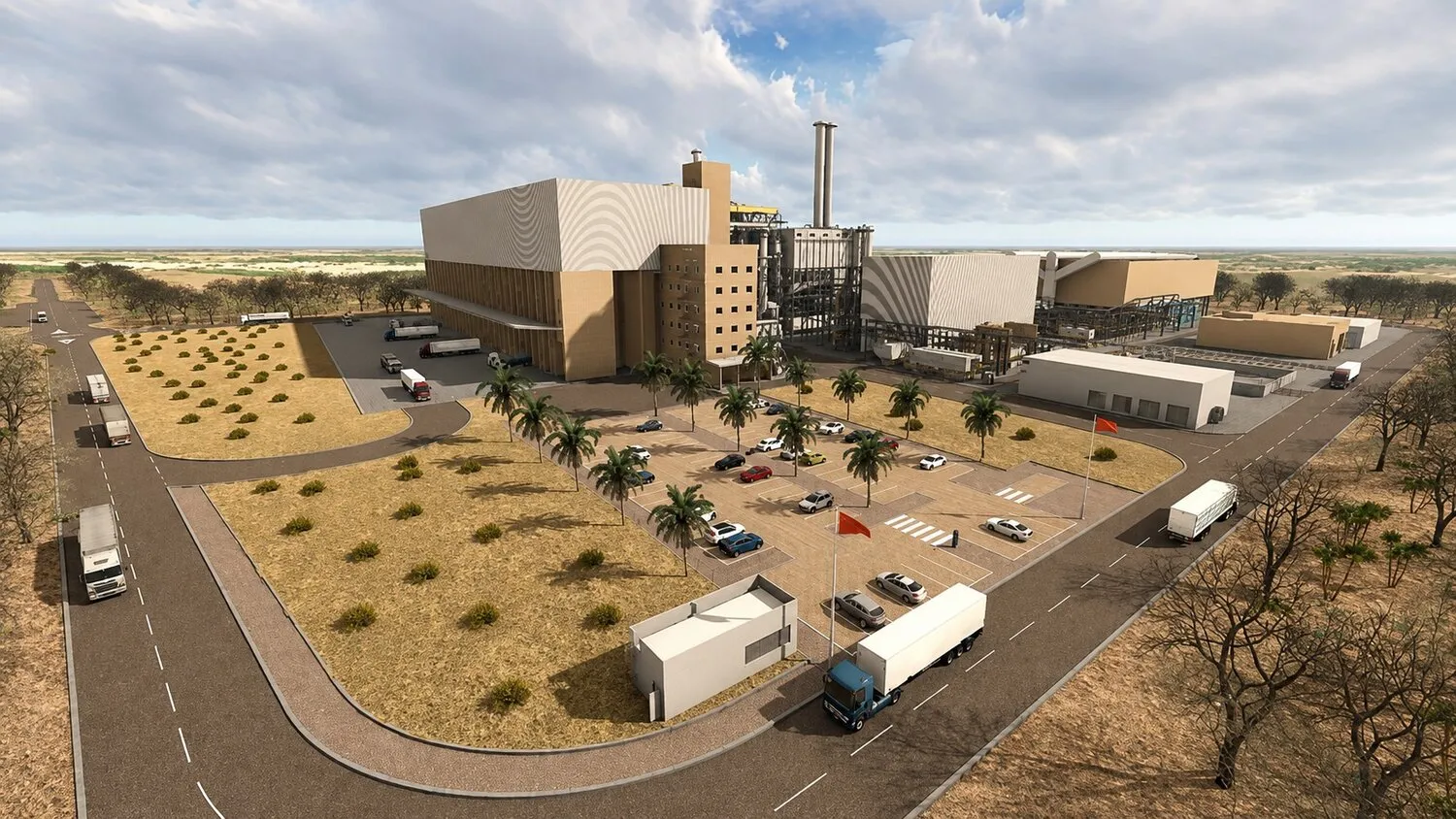

Casablanca is making significant strides with a groundbreaking waste-to-energy project designed to address two pressing issues: the increasing volume of municipal waste and the urgent demand for reliable electricity supply. This ambitious facility, set to be constructed northwest of the Mediouna landfill in the Casablanca-Settat region, is projected to process approximately 1.5 million tons of non-recyclable waste each year while generating a substantial 126 MW of baseload electricity. The initiative is being executed under a 33.5-year concession agreement between the Municipality of Casablanca and a consortium that includes Nareva, Kanadevia Inova, and Itochu Corporation.
The engineering, procurement, and construction (EPC) responsibilities have been assigned to BUTEC in collaboration with Kanadevia Inova. Their partnership will focus on both specialized process technology and the broader site infrastructure required for the facility. Kanadevia Inova will spearhead the process-related components of the EPC package, providing the essential waste-to-energy technology necessary for converting municipal waste into electricity. Additionally, its role will encompass operational support, long-term maintenance, and project financing.
On the other hand, BUTEC will handle civil engineering and the construction of non-process buildings and complementary infrastructure. This includes structural and architectural work, as well as mechanical, electrical, and plumbing systems throughout the development. The division of labor exemplifies the intricacy involved in large-scale waste-to-energy facilities, which integrate traditional civil construction with combustion, emissions control, and energy recovery systems. This project also empowers BUTEC with another significant waste-to-energy assignment in its operational markets, while expanding its construction endeavors in Morocco through a project that leverages both local capabilities and specialized international technologies.
The execution of this project will be closely monitored due to its scale and the expected operational longevity of the facility. Waste-to-energy plants necessitate a consistent supply of feedstock, dependable pollution control mechanisms, and ongoing maintenance to function effectively over several decades. For Casablanca, integrating this project into the region's comprehensive waste and energy strategy is paramount.
With a population exceeding 4.2 million, Greater Casablanca faces relentless pressure on landfill capacity and municipal waste infrastructure. Diverting non-recyclable materials from landfills could alleviate this burden while simultaneously generating an additional source of electricity. Unlike solar and wind energy sources, waste-to-energy facilities can provide continuous output, contingent on the availability of sufficient waste, positioning the Casablanca plant as a potential contributor to baseload generation.
Developers estimate that processing waste could prevent the emission of up to one ton of carbon dioxide-equivalent for every ton treated. However, actual emissions performance will hinge on various factors, including the waste stream composition, plant efficiency, pollution controls, and the disposal methods that the facility will replace. Moreover, waste-to-energy initiatives require a delicate balancing act in policy; large incineration projects rely on sustained waste volumes over extended operational periods, while circular economy policies generally prioritize waste prevention, reuse, and recycling before energy recovery.
Striking this balance will be crucial for Casablanca to decrease its reliance on landfills without inadvertently incentivizing practices that undermine more valuable recycling and waste reduction efforts. If the facility achieves its intended capacity, it promises to make a significant impact on Casablanca's waste management framework, capable of processing 1.5 million tons annually and contributing 126 MW of energy generation. Ultimately, the long-term success of this project will depend not only on its headline capacity but also on effective operational performance, emissions management, and its alignment with Morocco’s broader waste and energy policies.
As reported by environmentenergyleader.com.