
Strategic Measures for Improved Maritime Productivity
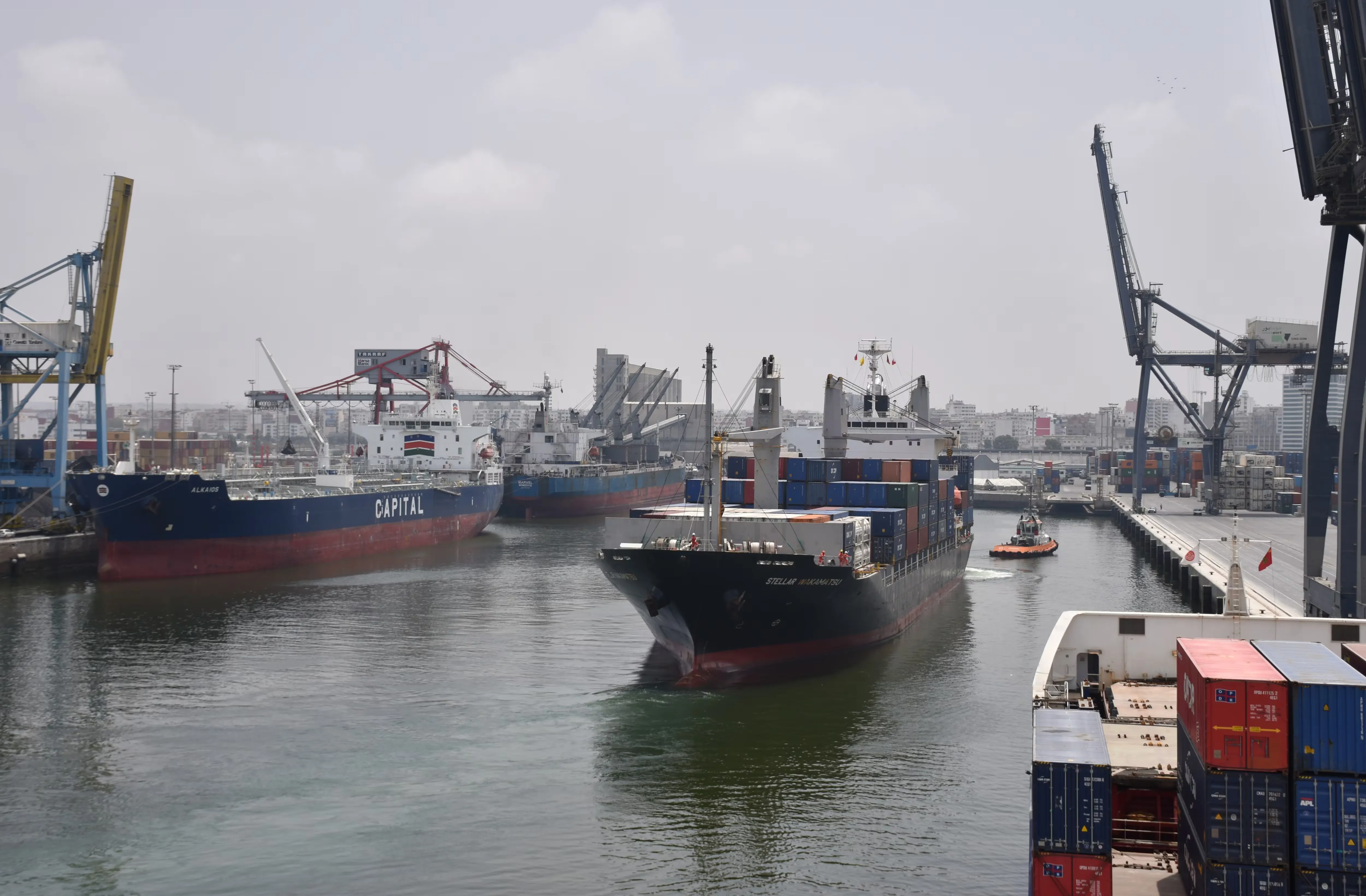
The Port of Casablanca is making significant strides in its strategy to alleviate congestion by expanding its regulatory framework beyond just land access. As reported in the daily newspaper Les Inspirations Eco, recent measures have been put in place to enhance maritime productivity by directly addressing vessel turnaround times and dock stay durations. Following the recent initiative to open Gate 4 during nighttime hours to better manage heavy truck traffic, port authorities are now focusing on optimizing the core of maritime operations.
Effective from early October, two new directives issued by Mustapha Farès, the General Director of Ports of Morocco SA, strictly regulate the handling of grain, animal feed, and container traffic. These regulations impose minimum processing thresholds to prevent operational stagnation, setting the bar at 3,000 tons per day per circuit in specialized silos, and increasing it to 5,000 tons per day per vessel for grains and 4,000 tons for animal feed on general quays.
To ensure these processing rates are met, significant enhancements have been made to pre-operations preparation. Ship scheduling is now contingent upon the submission of all necessary customs documents and bills of lading, aimed at avoiding detrimental delays at the docks. In cases of performance targets not being achieved, a strict escalation response is anticipated: after an electronic warning, delayed vessels may be redirected to anchorage to free up infrastructure, while repeat offenders could lose their priority docking privileges. Furthermore, the organization of container ships is being optimized by the harbor master to maximize the use of available space and facilitate the swift removal of empty containers.
Financial Implications and Operational Efficiency
Beyond operational fluidity, the financial stakes are substantial. In a sector where demurrage fees for bulk carriers or grain vessels can reach between $20,000 and $25,000 per day once free time is exceeded, expediting vessel turnaround is essential for reducing costs for importers and shippers. However, the success of this shift from access regulation to cadence regulation will depend heavily on the entire logistics chain—transporters, storage facilities, and receivers—being able to adapt to this increased pace without simply shifting bottlenecks to other segments of the process. The evolution of waiting times at anchorage and the duration of dock stays will serve as the true indicators of this reform's success.
As reported by fr.le360.ma.