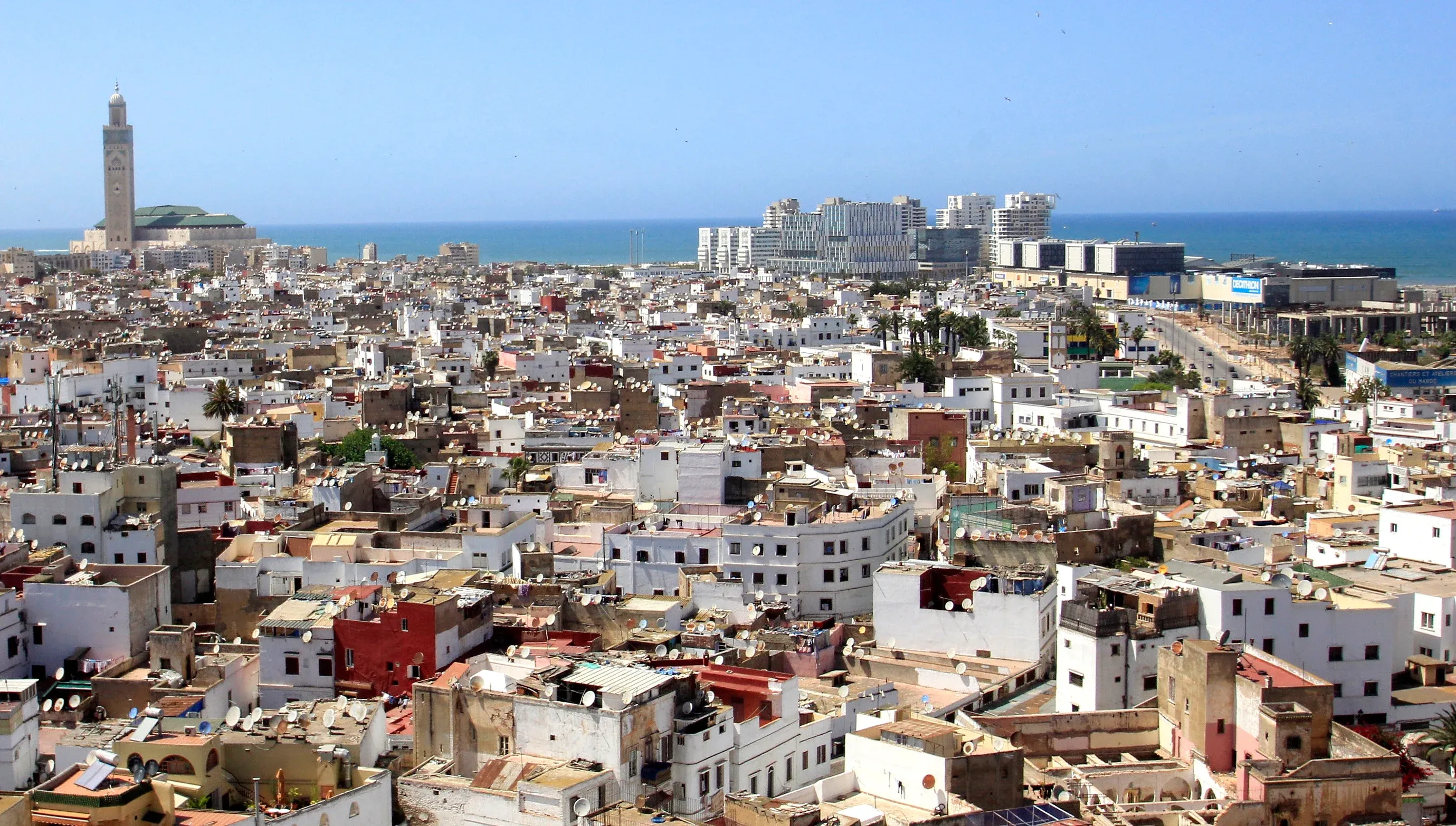

The Economic Landscape of Casablanca-Settat
The Casablanca-Settat region continues to solidify its position as the leading economic engine of Morocco. According to the 2026 edition of the regional report from the Moroccan Observatory of Very Small, Small, and Medium Enterprises (OMTPME), the region housed nearly 143,800 active legal entities (EPMA) in 2024, which represents a significant 37.8% of the entire national entrepreneurial fabric. This report highlights a robust entrepreneurial dynamic within the region, driven by business formations, revenue growth, and an increase in salaried employment.
With a population exceeding 7.65 million and a regional GDP estimated at 477.1 billion dirhams in 2023, Casablanca-Settat alone accounts for 32.2% of the national GDP. The region is also home to 110,459 companies registered with the CNSS, employing nearly 1.92 million individuals. The report indicates that in 2024, the number of active legal entities saw a 2% increase, reaching 143,771 units. Microenterprises dominate the regional entrepreneurial landscape, comprising almost 83% of the total, while very small enterprises account for 9%. Conversely, small, medium, and large enterprises continue to experience the highest growth rates.
Trends in Business Formation and Dissolution
Casablanca remains the primary economic hub of the region, hosting more than 86% of the registered companies, far surpassing Mohammedia and El Jadida. Berrechid has emerged as one of the most dynamic areas, with a substantial 6.6% increase in the number of businesses year-on-year. The commerce and construction sectors remain the two dominant areas of activity, collectively housing more than half of the region's active enterprises. Specifically, commerce constitutes 30.3% of the entrepreneurial landscape, while construction accounts for 21.8%. Specialized, scientific, and technical activities follow closely, comprising over 12% of the businesses.
The year 2024 also marked a notable rise in new business registrations. According to the OMTPME, 26,393 new companies were established in the region, reflecting an 11.2% increase from the previous year. Casablanca captured an impressive 86.5% of these new formations, while Berrechid reported the highest growth rate with an increase of over 30%. However, alongside this growth, the number of business dissolutions has also risen, reaching 3,727 units, which represents an 11.3% increase year-on-year. The commerce, construction, and specialized activities sectors account for nearly 61% of these dissolutions, with more than half of the affected businesses being less than ten years old.
Economically, the enterprises in Casablanca-Settat generated a cumulative revenue of 1,549.3 billion dirhams in 2024, marking a 10.3% increase compared to 2023. This performance underscores the resilience of the regional productive fabric following a slowdown observed in the previous year. Large enterprises continue to play a crucial role in the regional economy, generating nearly 70% of the total revenue, while medium-sized businesses also exhibit sustained growth. Commerce remains the top contributor to regional revenue, with a share of 38.6%, while the manufacturing industry leads in value added and exports.
Exports from businesses in the region reached nearly 243 billion dirhams, accounting for 46.7% of the national total. The value added generated amounted to 316.1 billion dirhams, which represents almost 59% of the national value added produced by businesses. Employment figures have also shown positive trends, with reported staff numbers at the CNSS reaching 1,919,274 employees, reflecting a 5.2% increase year-on-year. The administrative and support services, commerce, and construction sectors alone account for more than half of the reported jobs. Notably, women represent 30.4% of the recorded workforce, translating to over 583,000 female jobs in the region.
In terms of financing, Casablanca-Settat remains the principal banking hub of the country. Approximately 49,810 businesses in the region benefited from bank credit in 2024, totaling 309.8 billion dirhams, which constitutes over 60% of the national credit volume. However, the OMTPME notes a significant geographical concentration, with the Casablanca prefecture alone accounting for more than 92% of the credit extended to enterprises in the region. Finally, the report emphasizes the increasing significance of female entrepreneurship, despite it still being relatively limited. Companies led by women represent 15.2% of the studied enterprises and account for 13.1% of the total bank credit volume.
As reported by lnt.ma.