
Transforming Casablanca's Cultural Landscape
The vibrant cultural scene in Casablanca has recently been enriched by the opening of two significant museums: the Museum of Photography and Visual Arts and the Casablanca Memory Museum, which opened their doors last summer and a year prior, respectively. These institutions are pivotal in establishing the city as a prominent cultural destination. Designed by the renowned Japanese architect Tadao Ando, the Museum of Photography and Visual Arts is notably his only project in Africa. It is strategically situated in the heart of Casablanca's old medina, where its contemporary architecture seamlessly integrates with the historical fabric of the area. In collaboration with the National Museums Foundation (FNM), following a partnership agreement signed in January 2026, this inclusive space will host exhibitions, conferences, artistic meetings, and cultural events. The museum aims to enhance access to art and culture, particularly for the youth, while simultaneously contributing to the cultural prominence of both Casablanca and Morocco as a whole.
Preserving Morocco's Diverse Heritage
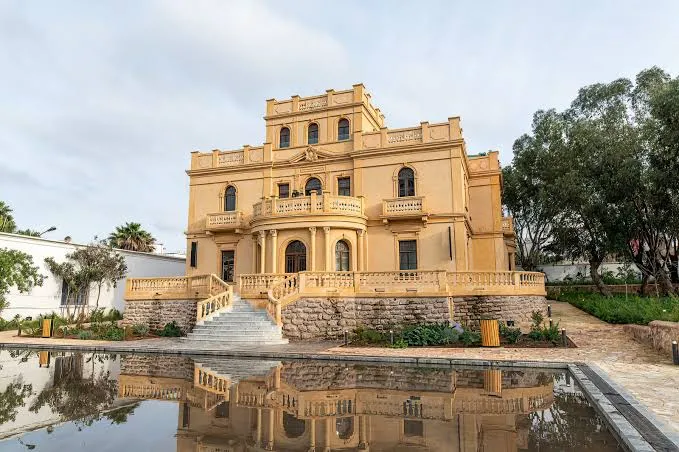
Another recent addition to the city's museum landscape is the Villa Carl Ficke, which has been transformed into the Casablanca Memory Museum. This venue is dedicated to preserving and showcasing the rich history and heritage of the city. Constructed in the early 20th century by German merchant Carl Ficke, the villa now hosts temporary exhibitions and cultural events. The museum experience extends to its esplanade, where art pieces and green spaces create an open-air museum that intertwines memory, artistic creation, and community engagement. This initiative results from a partnership involving the FNM, the Ministry of Youth, Culture, and Communication, the Casablanca Commune, and the Mers Sultan district, supported by the Wilaya of the Casablanca-Settat region and the regional council. According to Mehdi Qotbi, president of the National Museums Foundation, Casablanca holds a significant position in the broader museum development strategy throughout the country. He emphasizes that as Morocco's economic capital and a hub of exchange, Casablanca is also a vital center for artistic creation and expression.
In light of this vision, Qotbi explains that the Foundation has undertaken several structural projects, including the Casablanca Memory Museum and the Museum of Photography and Visual Arts, designed to serve as genuine spaces for dialogue and interaction, open to the city, its medina, and its residents. These institutions aim to foster a conversation between heritage and contemporary creation, memory and innovation, while making culture accessible to everyone. The aspiration, as stated by Qotbi, is to position Casablanca as a leading cultural destination on the African, Mediterranean, and global stages, with a particular focus on establishing it as a capital of photography.
Alongside these projects, Casablanca is home to institutions that have long been dedicated to the preservation and dissemination of various aspects of Moroccan heritage. Located in the Habous district, Dar Al Ala stands as more than just a museum displaying Andalusian musical instruments; it invites visitors on a historical journey through this centuries-old art form, deeply embedded in Moroccan culture. Established in a restored historic residence transformed into a museum in 2010 by the Association of Andalusian Music Lovers, Dar Al Ala houses ancient instruments and historical manuscripts. The collection has grown over decades since the Association's inception in 1958, thanks to donations from virtuosos of Andalusian music and acquisitions made over the years, culminating in the decision to consolidate and exhibit this heritage in a dedicated museum.
Another iconic institution in the metropolis is the Museum of Moroccan Jewish Heritage, located in the Oasis district. Since its establishment in 1997, it has focused on preserving Moroccan Hebrew heritage and the various components that make up the national memory. The museum features a rich collection that includes traditional clothing and jewelry, wedding dresses from different regions of the Kingdom, historical manuscripts, and objects related to the professions practiced by Moroccan Jews, as well as musical and cinematic archives. Visitors can also explore testimonies of Jewish-Moroccan musical heritage, featuring recordings from notable figures such as Salim El Hilali, Sami Al Maghribi, and Zahra El Fassia. Managed by the Foundation of Jewish-Moroccan Cultural Heritage, the museum narrates different dimensions of the professional, familial, cultural, and religious lives of Moroccan Jews while serving as a space for the transmission of values of coexistence and tolerance that have characterized the history of the Kingdom.
The diversification of the cultural offerings also extends to the valorization of archaeological sites. The archaeological park of Sidi Abderrahmane, which opened to the public nearly a year ago, enriches Casablanca's heritage landscape by allowing visitors to discover a significant site from Moroccan prehistory. Its opening represents a new milestone in the promotion of this heritage, providing history enthusiasts, youth, and the general public with a space for learning, discovery, and transmission. From prehistoric heritage to contemporary photography, through urban memory, Andalusian music, and Jewish-Moroccan heritage, these various spaces collectively create an increasingly diverse cultural offering, where museums are not only places of preservation but also spaces for discovery, transmission, and open dialogue with the city and its inhabitants.
As reported by laquotidienne.ma.