
Casablanca's Transformation into a Cruise Destination
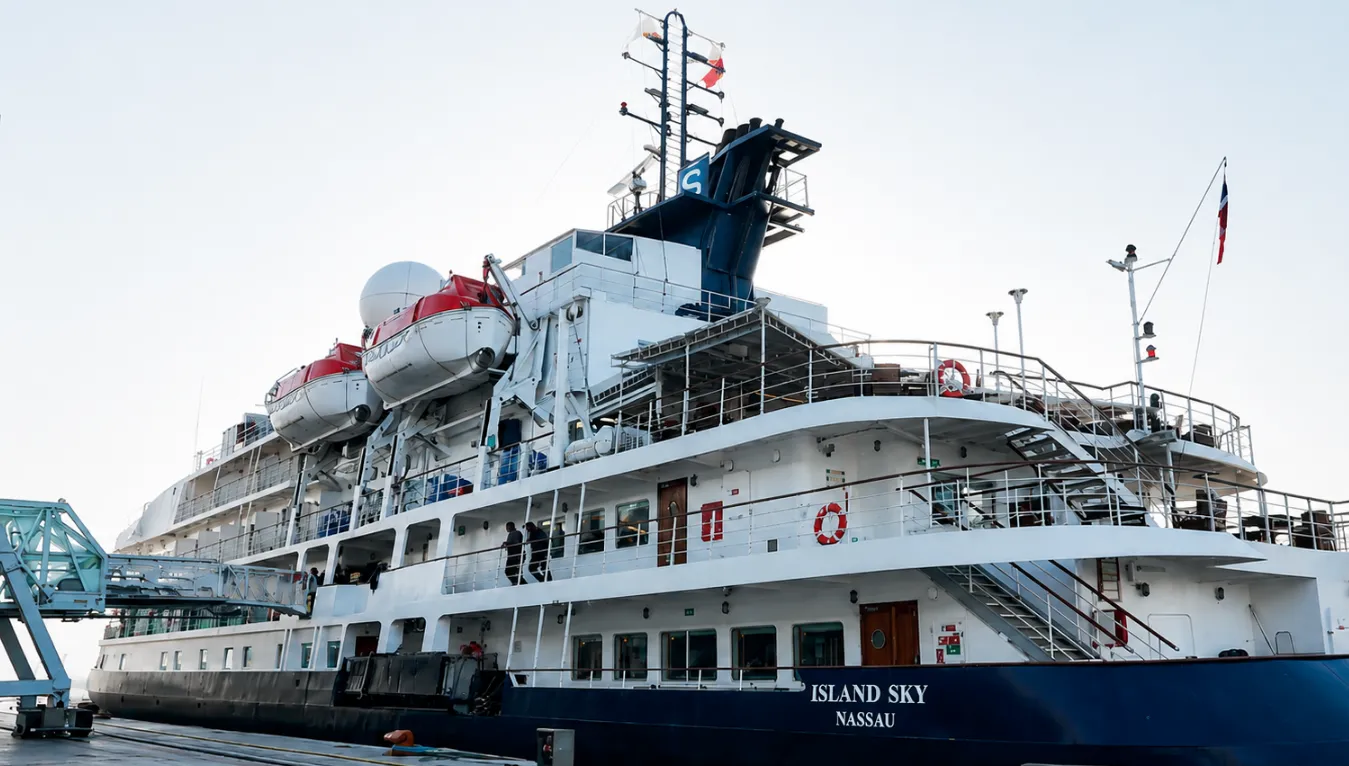
Casablanca has reached a significant milestone with the inauguration of its new cruise terminal in September 2025. This state-of-the-art facility has already welcomed 53 ships and nearly 94,000 passengers, marking the beginning of a new era for Morocco's economic capital. Casablanca is not starting from scratch; it boasts a major port, international recognition, an iconic mosque, a rich Art Deco heritage, a vibrant medina, and a picturesque waterfront, all complemented by opportunities for excursions to nearby cities like Rabat and El Jadida.
Other Moroccan cities, such as Tangier and Agadir, also have unique advantages to leverage. Tangier, strategically positioned at the entrance of the Mediterranean, is celebrated for its historical and cultural significance, while Agadir offers a combination of cruise experiences, beach resorts, and excursions to the stunning landscapes of Taroudant and Taghazout. However, for Morocco to succeed in the cruise tourism sector, it must present a cohesive offering across its ports rather than competing isolated stops without a unified strategy.
Challenges and Opportunities in Cruise Tourism
The inherent challenges of the cruise model lie in the brief window of time passengers spend ashore, typically just a few hours. During this limited timeframe, tourists may disembark, take quick tours, make minimal purchases, and then return to the ship. For the local economy to truly benefit, there must be well-organized tours, available guides, coordinated transportation, visible security, open shops, suitable restaurants, and efficient connections to attractions. Without such planning, cruise stops risk becoming mere statistics rather than robust economic opportunities.
Moreover, cruise tourism raises critical environmental and urban concerns. Several European destinations have faced challenges associated with large vessels, including pollution, congestion, and limited economic benefits. Morocco finds itself at a pivotal moment, aware of these criticisms, and has the opportunity to develop a more sustainable model that includes controlled visitor flows, well-distributed stops, adherence to environmental standards, involvement of local stakeholders, and meticulous tracking of onshore spending.
Cruise tourism should not be seen as a replacement for traditional stayover tourism, but rather as a showcase for cities looking to broaden their appeal. Casablanca can project an image beyond that of just an economic hub; Tangier can enhance its cultural identity; and Agadir can diversify its beach offerings. However, the mere presence of cruise ships is not sufficient. The central question remains: what will visitors take away from the city once the ship has departed?
For Morocco to effectively engage cruise operators, it must present a clear and compelling offer. Cruise companies do not schedule stops based solely on the existence of a terminal; they consider safety, port reliability, quality of excursions, proximity between the dock and attractions, the capacity of local service providers, and passenger satisfaction. Hence, commercial efforts must involve collaboration among port authorities, the Moroccan National Tourist Office (ONMT), regional tourism councils (CRT), receptive agencies, and professionals from the relevant cities.
The measurement of economic impact will be crucial. Simply counting the number of passengers, ships, and dock occupancy rates is insufficient. It is vital to monitor average spending onshore, purchases made, jobs generated, excursions sold, popular circuits, and any friction points. Absent this data, it will be challenging to ascertain whether cruise tourism genuinely adds value to the region or merely inflates visitor statistics.
As reported by fnh.ma.