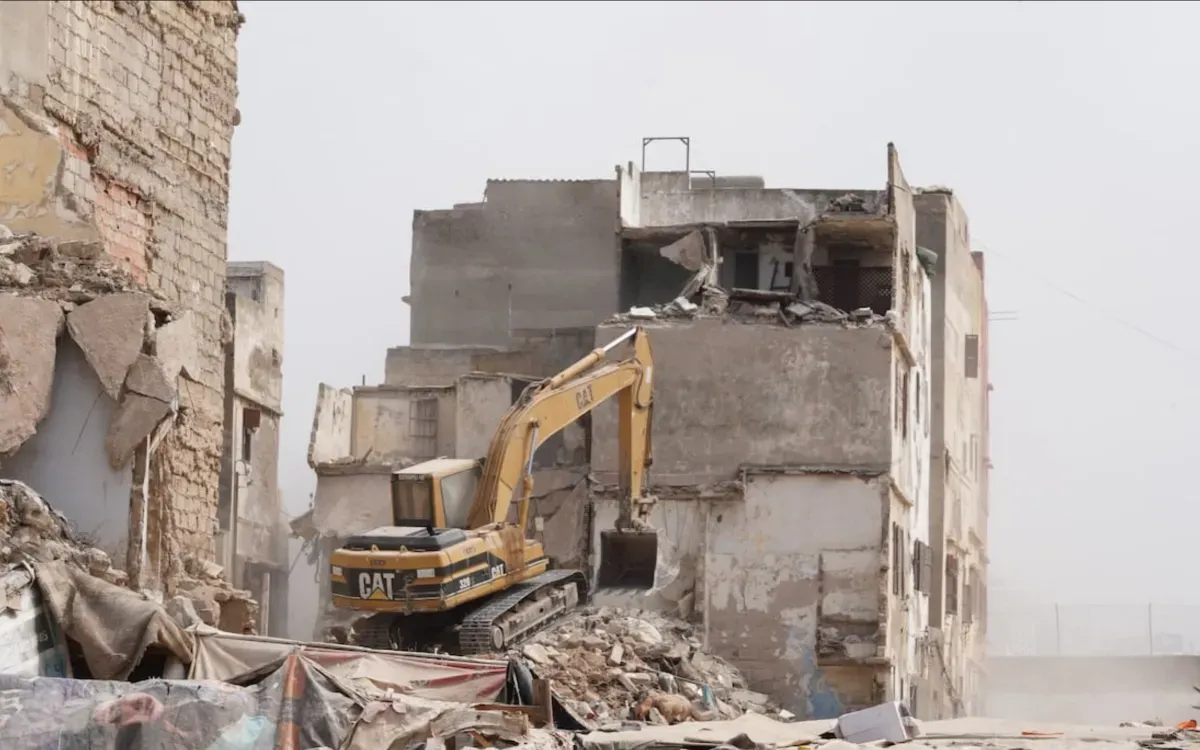

As the preparations for the 2030 World Cup gain momentum in Casablanca, Morocco, a significant wave of demolitions has been set in motion, impacting numerous neighborhoods across the city. A recent analysis of satellite imagery conducted by the Belgian newspaper De Standaard reveals that over 15 hectares of land have vanished in less than a year within the vicinity of Avenue Royale, highlighting the rapid pace of urban transformation in anticipation of the international tournament.
Comparing satellite images captured between August 2025 and May 2026, the analysis indicates that more than 15 hectares of structures have been demolished in the area designated for the Avenue Royale project. This extensive redevelopment is estimated to have displaced over 4,000 households, predominantly affecting low-income neighborhoods situated between the iconic Hassan II Mosque and the heart of Casablanca, including areas like Derb Lingliz.
The World Cup Accelerates Long-Standing Urban Plans
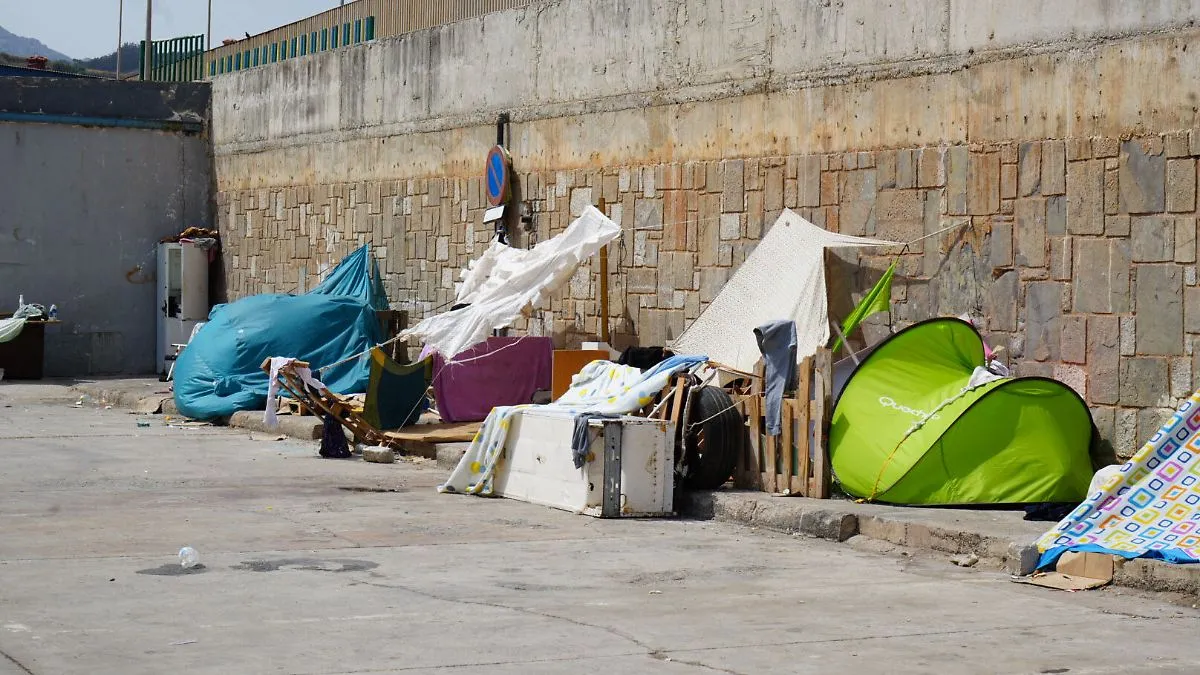
The Avenue Royale project is not a new initiative; it has been in the works for several decades and aims to significantly overhaul this part of Casablanca. However, the impending deadline of the 2030 World Cup has acted as a catalyst for expediting various urban development projects that Morocco is eager to complete before hosting the tournament alongside Spain and Portugal. For many residents, this accelerated timeline has resulted in a distressing reality: their homes are being demolished, and while alternatives or compensation packages are offered, they are forced to leave neighborhoods where their families have lived for generations.
The plight of individuals like Saad Mosleh, whose home was razed in central Casablanca, exemplifies the profound impact of these demolitions. After losing his residence, Mosleh now resides in Errahma, a peripheral area of the city. His situation embodies one of the primary concerns voiced by affected families—beyond the loss of their homes, the relocations disrupt their daily lives, separating them from workplaces, schools, and vital community connections.
While De Standaard acknowledges the connection to the World Cup, it also emphasizes that urban renewal initiatives and the addressing of dilapidated buildings predate the upcoming tournament. Some structures have been deemed unsafe, necessitating demolition. Nonetheless, the impending tournament imposes a heightened urgency on these projects, compelling long-stalled developments to progress at an accelerated pace as the competition approaches.
As reported by bladi.net.