
The Origins of the Morocco-U.S. Relationship
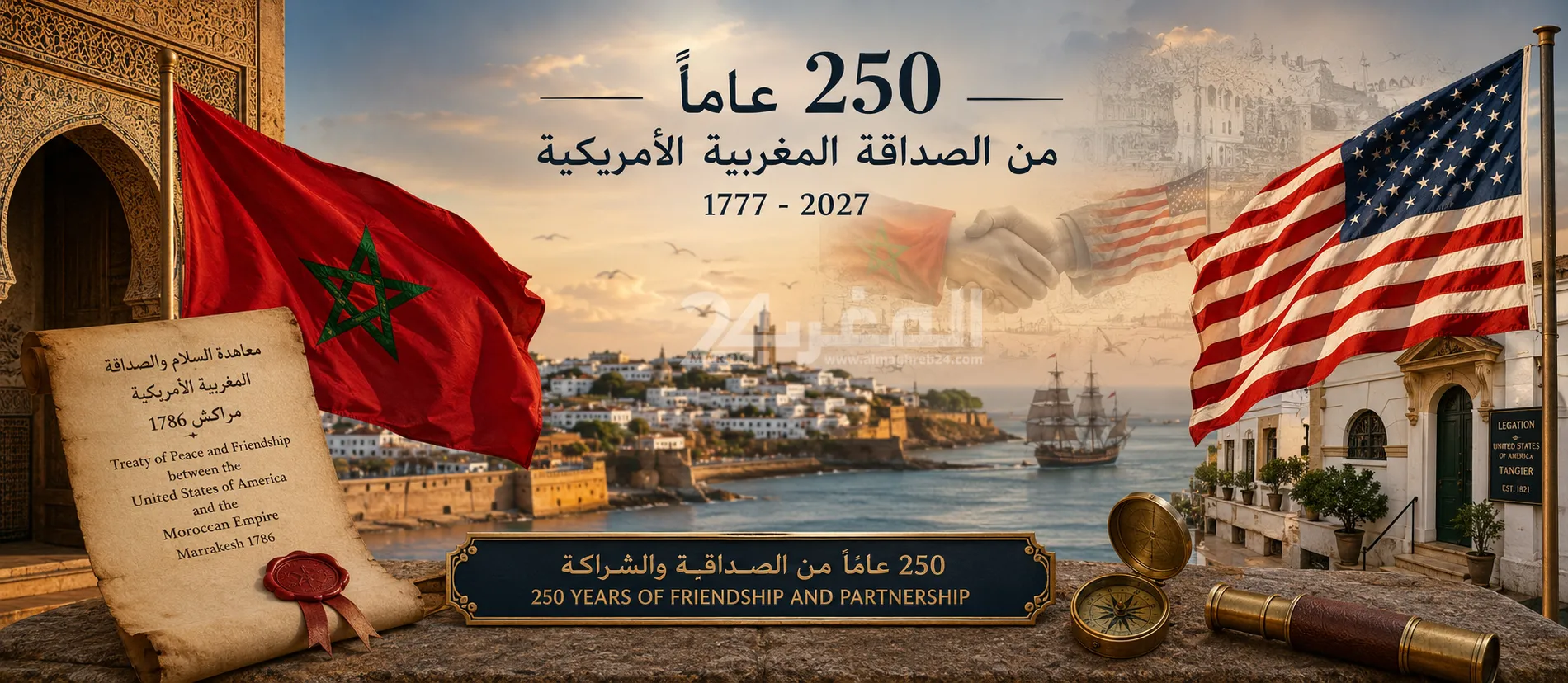
The remarkable journey between Morocco and the United States commenced in December 1777 when Sultan Mohammed Ben Abdallah opened Moroccan ports to American ships. This pivotal decision marked not only the advent of trade and diplomacy between the two nations but also signified one of the oldest continuous international partnerships in American history. As both Rabat and Washington prepare to commemorate the 250th anniversary of this relationship in 2027, it is essential to highlight the significant milestones that have transformed Moroccan-American friendship into a multifaceted alliance encompassing various domains such as diplomacy, trade, security, defense, culture, education, and regional issues.
The Treaty of Marrakech: A Landmark Agreement
Years of communication and negotiations culminated in a historic moment for both nations. On June 23, 1786, the Treaty of Peace and Friendship was signed in Marrakech by American diplomat Thomas Barclay on behalf of the United States and Sultan Mohammed Ben Abdallah for Morocco. The treaty was ratified by the U.S. Congress in July 1787. This treaty was not merely a transient trade agreement; it laid the foundation for a long-term political and diplomatic relationship, governing aspects of trade, navigation, and the protection of the interests of both countries' citizens. Notably, according to official American sources, it remains the oldest U.S. treaty still in effect, surviving through various political upheavals and global conflicts that have reshaped international relations over the centuries.
As Morocco and the United States navigated through changing global landscapes, the American Legation in Tangier, established in 1821, became a symbol of this enduring friendship. It was the first American diplomatic property located outside the U.S., serving as a testament to the deep-rooted connections between the two nations.
Through the 19th century, Moroccan-American relations experienced various phases influenced by commerce and political dynamics, particularly during the French protectorate established in 1912. Following Morocco's independence in 1956, the relationship was restored and evolved into a more institutional partnership, adapting to the new geopolitical landscape.
During World War II, Morocco played a crucial role when U.S. forces launched Operation Torch in November 1942, further solidifying the importance of the American Legation in Tangier as a diplomatic hub during this critical period.
In contemporary times, the partnership has transcended historical and economic ties to encompass modern challenges and collaborative efforts in various sectors, including education, security, and military cooperation. Morocco was designated a major non-NATO ally by the United States in 2004, reflecting the strategic depth of their military relationship.
In 2020, the acknowledgment by the Trump administration of Moroccan sovereignty over Western Sahara marked a significant turning point in U.S. policy, reinforcing the political dimensions of their alliance. As both nations look forward to celebrating 250 years of friendship, it is essential to remember that this relationship is built on a foundation of mutual respect, shared interests, and cultural exchange.
As reported by almaghreb24.com.