
Marking a Milestone: The AAA Initiative's 10th Anniversary
On the occasion of the 10th anniversary of the African Agricultural Adaptation Initiative (AAA), which was launched by the Kingdom of Morocco during COP22 in Marrakech, the Food and Agriculture Organization (FAO) and the AAA Initiative Foundation presented a comprehensive report titled "The State of African Agricultural Adaptation, 2016-2026: Assessment and Roadmap to 2036" in Rome on Wednesday. This report serves as the first decade assessment of agricultural adaptation across the African continent, highlighting both the challenges and opportunities that lie ahead.
Investment Needs and Strategic Solutions for African Agriculture
The report underscores that African nations have articulated their agricultural adaptation needs in plans submitted to the United Nations, with estimated requirements amounting to hundreds of billions of dollars, a significant portion of which is allocated for agriculture. To translate these needs into actionable investments, there is an urgent call for increased funding and sustained capacity-building support, particularly aimed at assisting countries in preparing finance-ready projects.
The central finding of the report is that the foundational elements for successful adaptation are already in place: countries have developed plans, Africa boasts a unified agricultural agenda, and there are African banks and funds capable of financing these initiatives. Additionally, the technical solutions required for adaptation are well-documented and proven. However, the report emphasizes the need for a cohesive framework that links political decisions to farmers on the ground, ultimately leading to verifiable results.
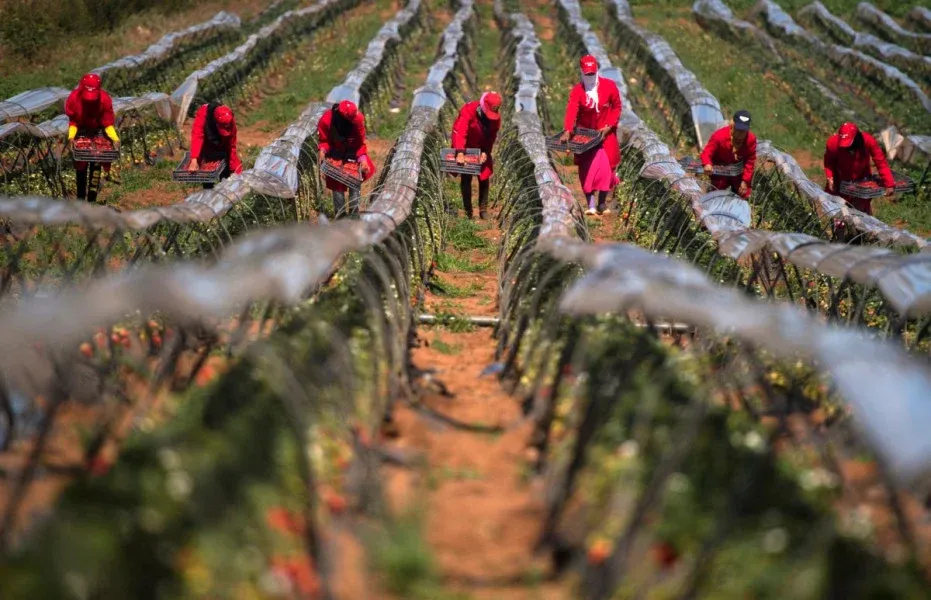
Climate change is already impacting African crops and rural family incomes, with the report noting that African agriculture primarily consists of smallholder farms reliant on rainfall. To effectively adapt, these farmers need access to drought-resistant seeds, improved water management, maintained soils, accessible agricultural advice, and insurance against poor harvests. There are existing solutions that have proven effective, and the challenge lies in scaling these solutions across the continent, which makes funding and capacity support crucial.
In a speech delivered on his behalf, Ahmed El Bouari, the Minister of Agriculture, Maritime Fisheries, Rural Development, and Water and Forests, highlighted that Africa is among the first to feel the adverse effects of a climate crisis it has minimally contributed to. He noted that African agriculture ministers have collectively championed the AAA Initiative, inspired by the visionary leadership of His Majesty King Mohammed VI from one climate conference to another. "In ten years, African agricultural adaptation has moved from the periphery of negotiations to the forefront of the agenda, and the question we now face is not merely acknowledging the continent's vulnerability but transforming its agricultural systems," said El Bouari.
Ghita El Ghorfi, the Director General of the AAA Initiative Foundation, remarked, "Ten years ago in Marrakech, we called for African agriculture to be heard. It is now being acknowledged. Today, we present a verifiable assessment and a measurable roadmap." This report presentation ceremony, available for further details on the [aaainitiative.org](https://aaainitiative.org/) website, was attended by Youssef Balla, the Kingdom's permanent ambassador to UN agencies in Rome, along with ministers, climate negotiators, farmer organizations, scientists, and funding institutions.
The AAA Initiative aims to reduce Africa's vulnerability to climate change and its impacts on agriculture by promoting concrete adaptation projects, sustainable resource management, and access to climate financing. The FAO plays a pivotal role in this initiative, providing technical support, documenting results, and offering the expertise of the United Nations organization.
As reported by snrtnews.com.